
 E-Paper



Samsung Galaxy Z Fold 8 tipped to use dual glass display to tackle crease issue
Samsung may modify its foldable phone design, as reports suggest the Galaxy Z Fold 8 could use a new display structure to reduce screen creases.

 Prefer HTon Google


You may be interested in
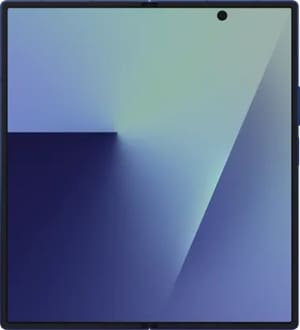



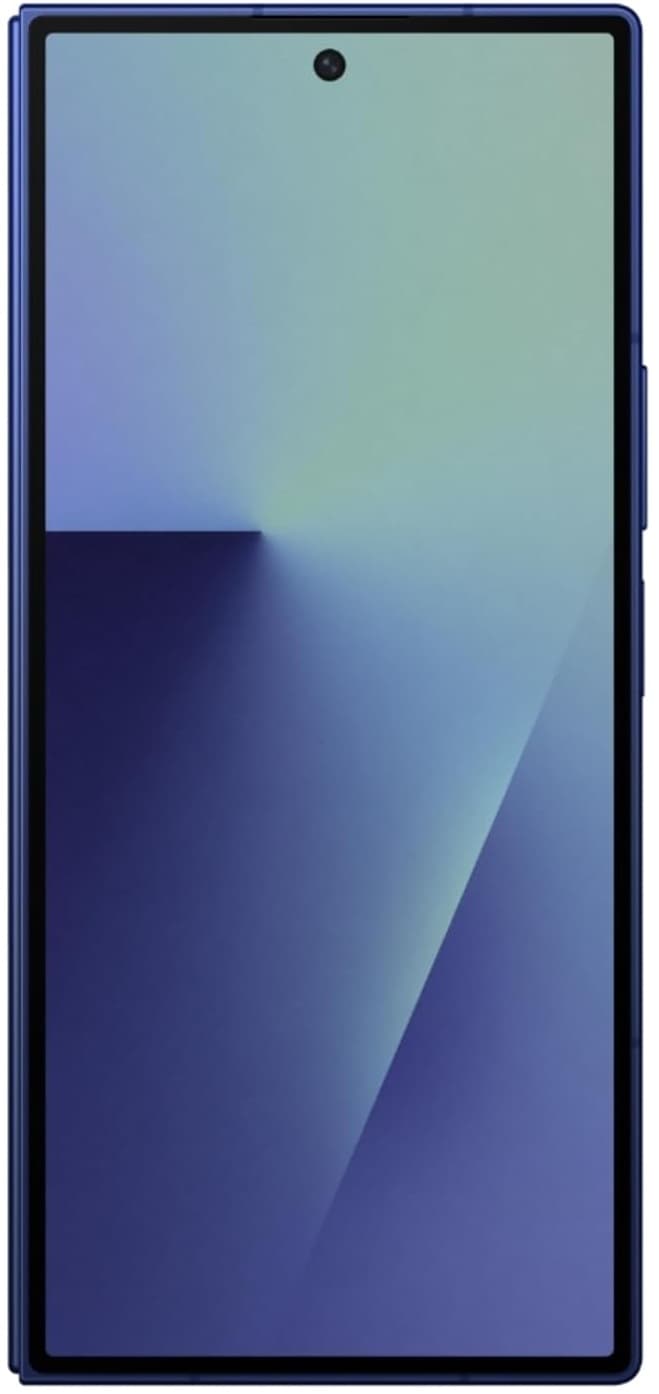
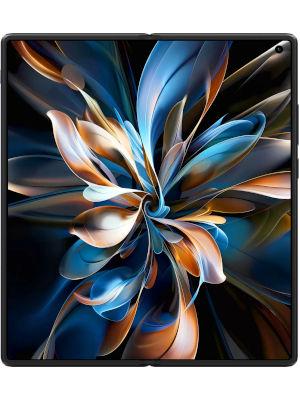

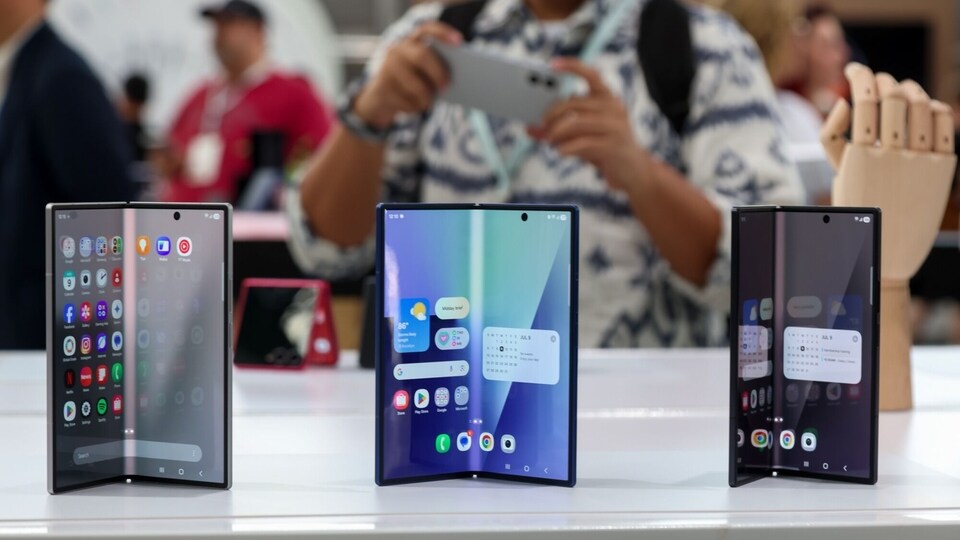
Samsung may introduce a new display structure in its next foldable smartphone to address long-standing concerns around screen creases. Industry reports suggest that the upcoming Samsung Galaxy Z Fold 8 could feature a dual ultra-thin glass (UTG) OLED panel, a change that aims to reduce the visible crease that forms along the fold line.

Dual Glass Layers to Reduce Creases
According to a report by DealSite, Samsung Display is developing a foldable OLED panel that places ultra-thin glass layers on both sides of the display stack. Current foldable phones usually rely on a single UTG layer on the top cover window. Adding a second layer beneath the OLED panel may help distribute pressure more evenly when the device folds.
Also read: iOS 26.3: Here’s when your iPhone will get its next update
Samsung Display recently showcased a near crease-free foldable OLED panel at CES 2026. The demonstration highlighted structural changes designed to limit crease depth. According to the report, the new panel may reduce crease depth by about 20 percent compared to the display used in the Samsung Galaxy Z Fold 7.
Reports also suggest internal design updates beyond the glass layers. Samsung Display has reportedly adjusted the laminated layers and altered how light passes through the panel. The company may also change the backplate that supports the foldable display. The updated backplate could include laser-drilled micro holes that help spread stress during folding, which may reduce crease formation over time.
Also read: Retired cop duped ₹2.40 lakh after a fake call on pension update
Differences Between Samsung and Apple Panels
Samsung Display is expected to supply foldable OLED panels to both Samsung Electronics and Apple. However, reports suggest the two companies may choose different support structures. Apple may opt for a glass-based support system, while Samsung Electronics could use a laser-drilled metal plate to manage flexibility and strength. These decisions may lead to differences in how creases develop with long-term use.
Earlier reports linked the dual UTG approach mainly to Apple’s first foldable iPhone. Recent information now suggests Samsung Electronics is also considering this method for its upcoming foldable phones. Industry watchers see ultra-thin glass as a practical option due to its availability and established production process.
Also read: iQOO 15 Ultra set to launch soon in India with built-in cooling fan
Samsung Electronics is still reviewing factors such as weight, heat control, manufacturing output, and pricing before finalising the design. If approved, the dual ultra-thin glass display could become a key feature of the Samsung Galaxy Z Fold 8, which is expected to arrive in the second half of 2026.


