E-Paper



Bengaluru founder with ₹5 crore in bank pays himself only ₹50,000 a month, investor calls it a red flag
Aditya Arora advises founders to pay themselves a reasonable salary, ideally between ₹18 lakh and ₹30 lakh, to avoid financial stress.

 Prefer HTon Google


As an investor in over 100 startups, Aditya Arora knows a thing or two about founders and finances. In a recent LinkedIn post, he explained why a Bengaluru founder drawing a salary of just ₹50,000 per month is not admirable, but foolish.
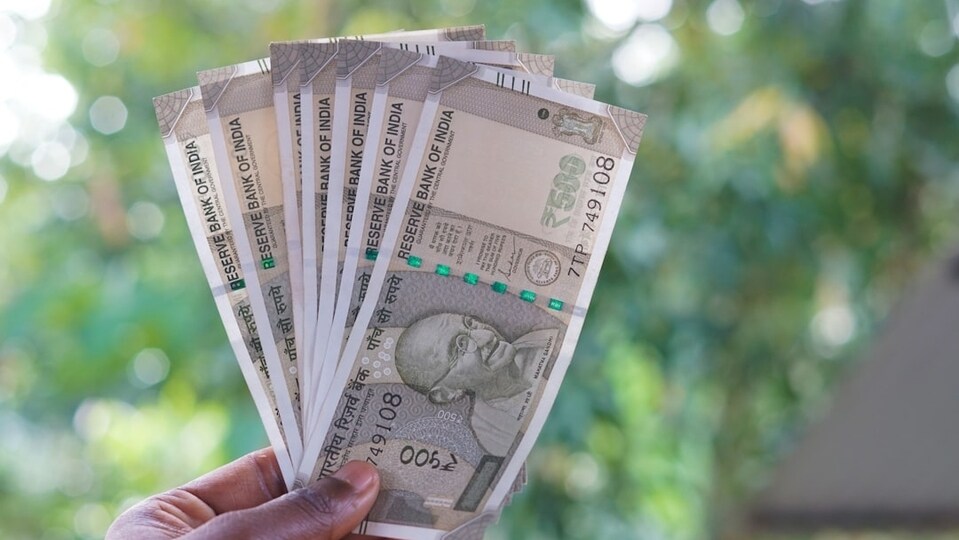
While many may praise the unnamed founder for not ‘overspending’ or living frugally, Arora holds a different view. In his LinkedIn post, the CEO of Faad Capital argued that entrepreneurs who are constantly worrying about money cannot give their all to their companies. In the long run, their frugality becomes short-sightedness.
‘Personal stress eats half his bandwidth’
“A founder I met last week pitching for Series A pays himself ₹50,000 a month. His company has ₹5 crore in the bank,” Arora wrote.
“He thinks underpaying himself signals discipline. Investors read it as a red flag.”
According to Arora, paying oneself too little can damage both the founder and the business. He claimed that ₹50,000 per month — which amounts to ₹6 LPA — is below entry-level pay in an expensive city like Bengaluru.
“ ₹50,000 a month is below entry-level engineer pay in Bangalore,” he wrote. “The founder of a Series A startup cannot cover rent, EMIs and family in any Tier 1 city on that.”
‘Three things that break’
Arora then listed what he called the “three things” that break when founder pay is too low, while he has crores sitting in his company’s bank account.
“First, his personal stress eats half his bandwidth. Customer calls get cancelled because he is sorting out a bank issue at home,” he said.
Next, the CEO of Faad Capital said that founders who underpay themselves also risk annoying their spouses.
“Second, his spouse stops believing in the company. The ‘I will pay you back when we exit’ line works for 6 months. By month 18 it is the only conversation at home.”
Finally, Arora also claimed that investors often see unusually low founder salaries as a sign of instability rather than discipline.
“Across the 130+ companies in my book, founders paying themselves under ₹12 lakh raise Series A at lower valuations almost as often as founders pulling above ₹50 lakh,” he wrote. “Investors price in the instability.”
Instead, Arora argued that founders should pay themselves enough to avoid financial anxiety while still remaining responsible.
‘Pay yourself’
Arora advised all founders to pay themselves a good salary. The amount, he said, should be enough to cover their children’s education, family necessities and mortgage payments.
“Pay yourself ₹24 lakh a year,” he advised. “Cover your mortgage. Cover your kids' school. Cover the family.”
The ideal amount, he said, should be enough to cover all the necessities but should not make the founder feel ‘rich’. Arora said founders who secured the best Series A deals were usually neither underpaid nor extravagantly compensated — usually they paid themselves a salary of under ₹30 LPA. However, almost none of them paid themselves less than ₹12 lakh per year.
“Enough to live without distraction. Not enough to feel rich. The founders who closed Series A on the strongest terms paid themselves between ₹18 lakh and ₹30 lakh,” he revealed. “Pay yourself Tier 1 cost-of-living plus 30 percent. Stop performing poverty for investor optics.”
(Also read: Bengaluru founder clarifies on income after saying he invests ₹15 lakh a month)