E-Paper



Pune woman explains why she prefers hybrid work over permanent WFH: ‘You meet people, learn new things’
A Pune woman shared how working from home for two weeks made her realise why she preferred a hybrid setup.

 Prefer HTon Google


A Pune woman has sparked a conversation about work-from-home culture after sharing why two weeks of working remotely made her appreciate her usual hybrid routine even more.
(Also read: Delhi woman says WFH has ‘killed’ her social life: ‘Nobody talks about what you quietly lose’)
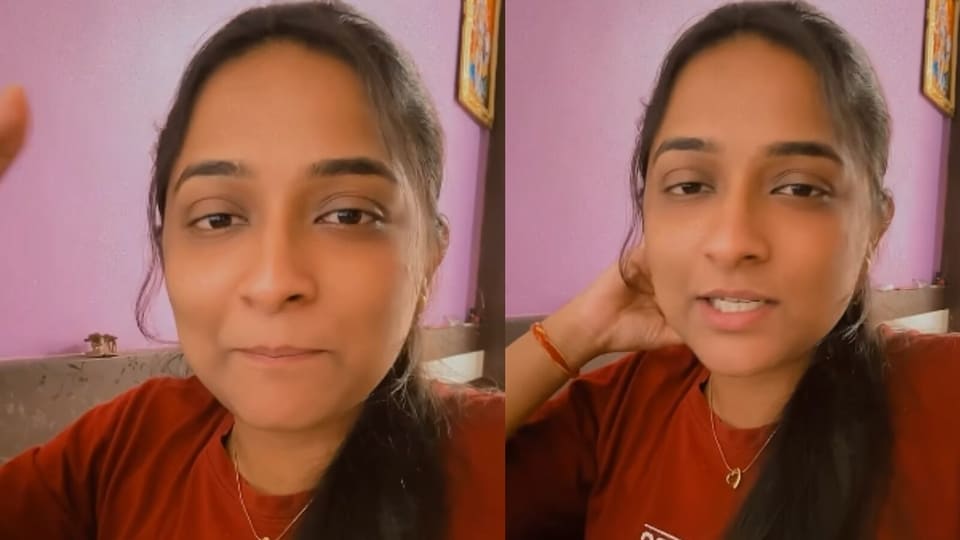
Taking to Instagram, Mohini Chavan shared a video describing her experience of temporarily working entirely from home. Her organisation, she explained, usually follows a hybrid model but allows employees to work remotely for two weeks during the year.
“I don't know how people do permanent work from home, bro. Salute to them! Like, in our organisation, throughout the entire year, permanent work from home is granted for two weeks. Usually, mine is a hybrid setup, but for these two weeks they’ve given permanent work- like, work from home, not permanent, work from home,” she said.
‘My brain is completely fried’
Chavan explained that employees who live away from their hometowns often use the two-week period to return home, although their workload remains unchanged.
“So the people who stay away from their hometowns go back to their hometowns. But the work remains the same, whether it's from the office or from home, bro. What I've experienced in these two weeks is that my brain is completely fried. It feels like I haven’t stepped out of the house at all. I've just been here for two weeks,” she said.
She added that even her weekends offered little change from the routine. “Even over the weekend, I went out for just one day. And it's the same routine every day: the office work is getting done anyway, eating, drinking—all the exact same things keep repeating.”
Why she prefers hybrid work
For Chavan, the hybrid model offers a much-needed balance between working remotely and stepping out of the house.
“At least the hybrid system that usually exists - I mean, obviously, it will start again after two weeks - the hybrid system is the best. You go to the office for two days, eat new things, meet friends, learn new things, talk, share stuff... so it feels good. You also get to travel a bit. So, salute to those who do permanent work from home. I don't know how they do it. Salute.”
(Also read: Man questions Indian work culture after commuting to office in rain: ‘Some employers still live in Stone Age’)
The text overlaid on the clip read, “Salute to permanent work from home employees.”
Watch the clip here:
Internet reacts
The post drew reactions from users who shared similar views on remote and hybrid work. One user wrote, “Hybrid work is honestly the best balance.” Another commented, “Permanent WFH is definitely not for everyone.”
A third user agreed with Chavan’s preference, saying, “This is exactly why I prefer a hybrid setup.” Another simply wrote, “Yes, I agree with you.”
HT.com has reached out to the user for her comments, and the copy will be updated once her response is received.
(Disclaimer: This report is based on user-generated content from social media. HT.com has not independently verified the claims and does not endorse them.)