E-Paper



Amid war, people die in Afghanistan and Pakistan due to rains and floods
Nine people were reported killed in Pakistan due to heavy rains while in Afghanistan, 22 people died due to floods in the central and eastern regions

 Prefer HTon Google


As Afghanistan and Pakistan engage in a war-like situation, there is another enemy that both are battling. The two countries, which have exchanged quite a few blows over the past month, are now seeing war-hit areas flooded by heavy rains.
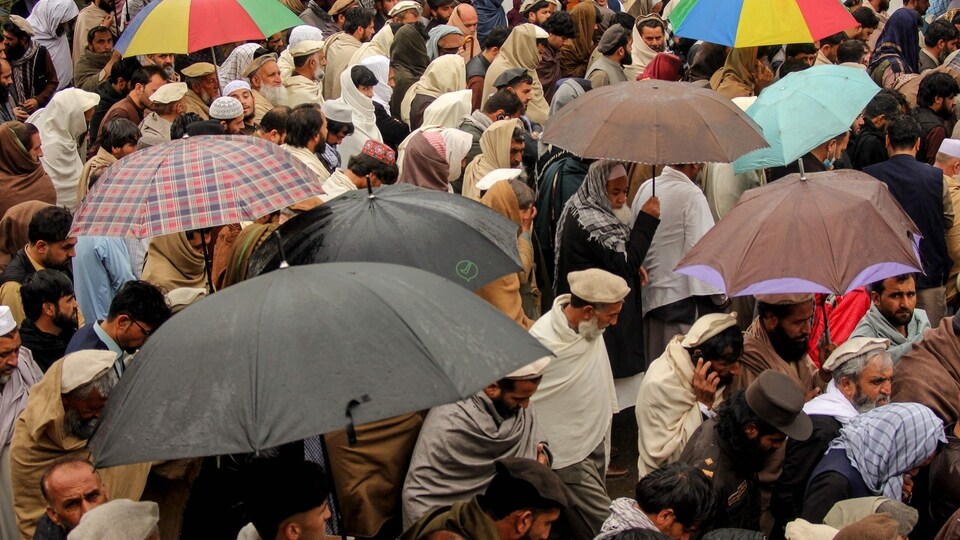
It has been raining heavily in Pakistan's northwestern Khyber Pakhtunkhwa province for the last week. According to a PTI report, nine people, including eight children, lost their lives, while 47 others were injured due to the heavy rains in the region.
Most of the casualties occurred due to the collapse of roofs and walls of houses amid persistent rainfall since March 25, according to an initial report released by the Provincial Disaster Management Authority (PDMA).
Authorities also reported structural damage to residential properties, with at least six houses partially damaged in rain-related incidents. The report stated that the region, including the Bannu and North Waziristan districts, will continue to witness intermittent rainfall at least until Tuesday, March 31.
In Afghanistan, the situation is similar. Heavy rains that caused massive flooding in the central and eastern provinces of the country have led to the deaths of 22 people and injured 32 others, Reuters reported.
Also Read: Over 400 killed in Afghanistan after Pakistani airstrike at Kabul hospital
Most of these deaths were reported from areas such as Parwan, Maidan Wardak, Daykundi, and Logar, where torrential rain triggered flash floods and caused houses to collapse in rural and mountainous regions, authorities said.
The United Nations lists Afghanistan as a country prone to natural disasters and among the most vulnerable to climate change. The report said that since international aid has declined following the Taliban takeover, the country is struggling to cope with such disasters.
The war continues
Meanwhile, both countries are also engaged in an active conflict for around a month now. Tensions between Kabul and Islamabad have existed for long, especially after the Taliban takeover in 2021. However, over the past month, these tensions have escalated into a war-like situation.
The situation escalated on February 26 this year, when Afghanistan launched a cross-border raid into Pakistan in response to Pakistan's airstrikes in border areas, which allegedly killed 70 civilians.
Pakistan, while maintaining that it targeted militants, has continued strikes in Afghanistan’s border provinces. On March 16, it launched an airstrike on a drug rehabilitation centre in Afghanistan’s capital, Kabul. Afghanistan claimed the attack killed 400 people. The UN humanitarian affairs office said the total death toll is still under verification. Pakistan has disputed the claim and denied targeting civilians, stating that it struck an ammunition depot.
As of March 13, the UN Assistance Mission in Afghanistan recorded at least 75 civilians killed and 193 injured since the start of the conflict, though these figures are preliminary, according to a Council on Foreign Relations report.
Pakistan declared that it was in ‘open war’ with Afghanistan. The conflict has alarmed the international community, particularly as the region hosts militant organisations such as al-Qaida and the Islamic State group, which have been attempting to resurface.
The two countries had declared a temporary truce before Eid following mediation by Saudi Arabia, Turkey, and Qatar. The truce expired earlier this week, and renewed fighting erupted on Wednesday, with Afghan officials stating that at least two civilians were killed in eastern Afghanistan.
(With AP inputs)