E-Paper



In 1905, Theodore Roosevelt sent elk to New Zealand; their descendants later blurred the line between game animals and pests
In 1905, Theodore Roosevelt gifted elk to New Zealand. They bred with red deer, and the hybrids blurred the line between prized game, pest, and livestock.

 Prefer HTon Google


Ever tried to untangle a family tree that got more and more knotted as it branched out? New Zealand’s deer have a similar problem, and it started with a gift from U.S. President Theodore Roosevelt in 1905. In a 2026 study published in Animal History, Vanessa Bateman explains that the gift was a group of wapiti, another name for elk. Over the course of the 20th century, these deer were seen first as game animals, then as an ecological threat, and finally as farm livestock, explains the study. Each of those labels was made harder to apply by their mixing with red deer.
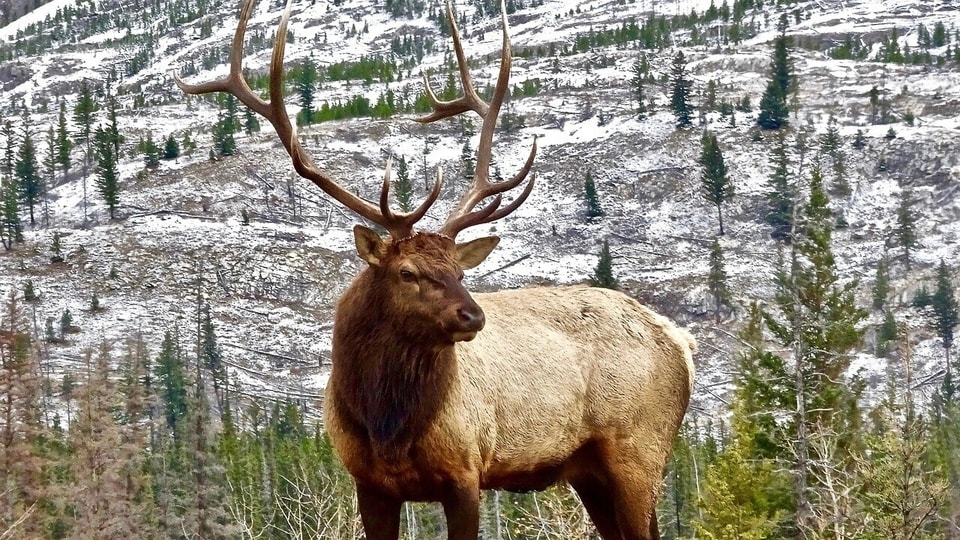
A gift that changed its meaning over time
Bateman’s research follows the deer through the 20th century. She tracked how people responded to them using archival records, government reports, oral histories, and visual sources. The study shows that the animals did not keep one role for long. At first, they were acclimatized game. Later, they were treated as an ecological menace. Finally, some became domestic animals. Bateman also looks at the tools used along the way, including rifles, helicopters, tranquilizers, nets, and farms. She says the tools did more than control the deer. They transformed with the animals, and tied deer behavior into government and commercial systems. This story is not simply about biology. It’s also about how people valued animals at different points in time. Together, the records tell a long story of how New Zealand valued these animals.
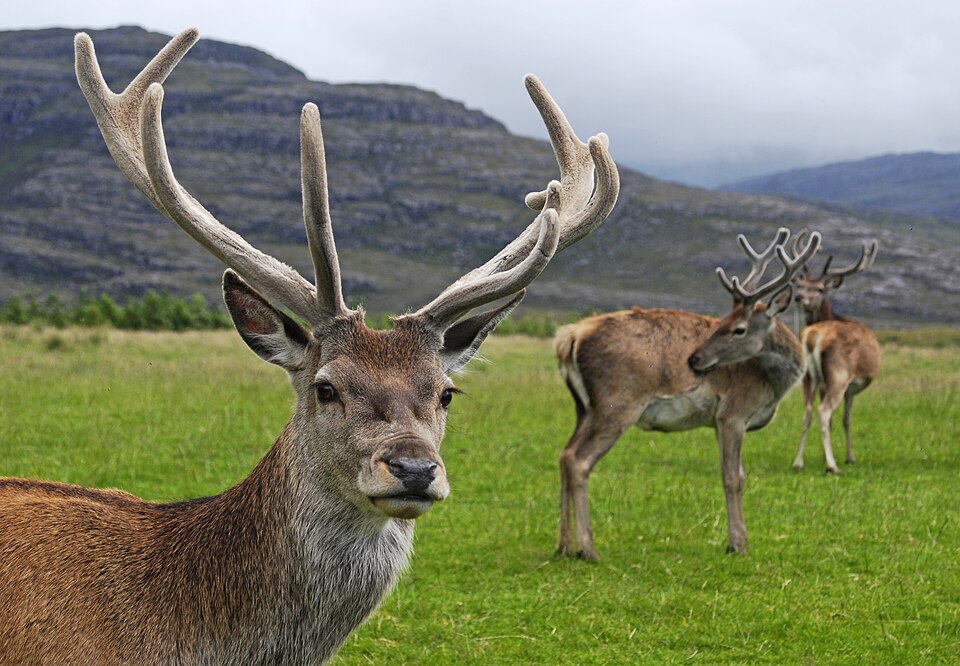
How elk and red deer blended in Fiordland
Elk were not alone in the wild. Batcheler and McLennan, in their 1977 paper published in the Proceedings of the New Zealand Ecological Society, reported that red deer and wapiti co-existed in part of Fiordland National Park. The researchers looked at skull measurements from that mixed population. Caughley in 1971 had previously sorted the animals into 38% red deer, 20% hybrids, and 42% wapiti. Batcheler and McLennan reexamined the same skulls using different methods and adding more samples. The group, they found, was 8% red deer, 52% hybrids, and 40% wapiti. The authors say the hybridization was mainly due to dominant wapiti bulls mating with females of red deer hybrids and wapiti. This brought most of the red deer into a hybrid gene pool. They also add that wapiti breed about two weeks earlier than red deer, which probably helped to cement that advantage.
Why the hybrids are so hard to label
The hybrids did not form one tidy group. The paper describes red-like hybrids and wapiti-like hybrids, with a near continuum of forms between the two parent species. Even with careful measurement, they are difficult to sort. Their skull-based groups also corresponded to descriptions based on coat, size, and other external features. The authors also determined that the wapiti population in the area was in poor physical condition. Hunters were also in the picture. The authors report that experienced hunters were very selective in culling red deer and hybrids, yet the population still ended up dominated by hybrids, This suggests that the wapiti bulls' mating advantage outweighed whatever hunters managed to cull.
Bateman makes the broader point. She says hybridization blurred the line between wild and domestic, and between pest and resource. It is difficult to say whether an animal that is part elk and part red deer is a game animal that people want to hunt, an invader, or a resource. That uncertainty helps to explain why the deer were treated so differently over time. Still, there are limitations to both studies. One is a historical analysis, the other a skull study from the 1970s, neither of which tells us what would happen to the deer today. Together, they show how a single gift in 1905 led to a long-running classification problem.