
 E-Paper



Karachi floods: 23 killed, hundreds of homes inundated
The heavy rains in Karachi continued through Friday and Prime Minister Shahid Khaqan Abbasi has directed the army to help the civilian administration in restoring connectivity and communications.

 Prefer HTon Google


At least 23 people, including seven children, have been killed by flooding in the Pakistani port city of Karachi, large parts of which were under water on Friday following a prolonged period of rainfall that started on Wednesday night.
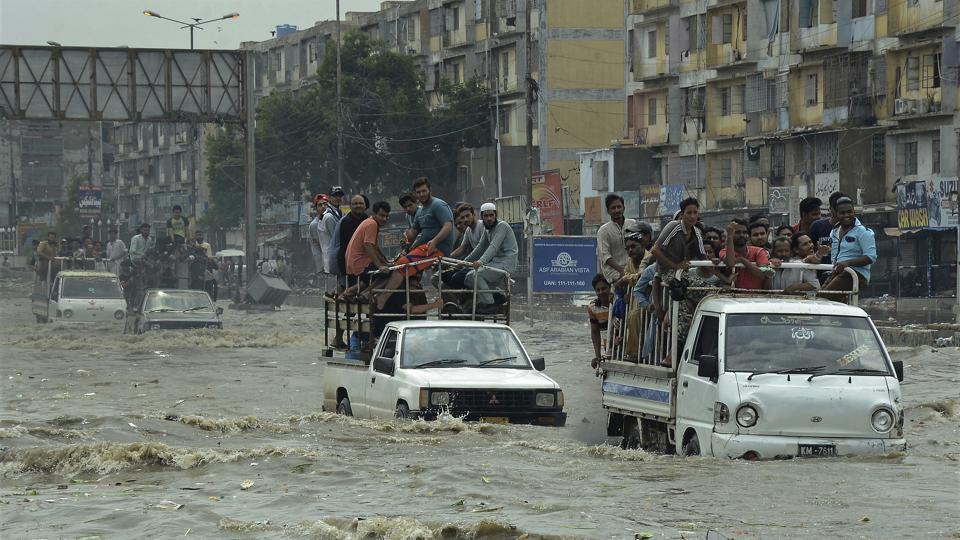
The heavy rain continued through Friday and the local media reported that many neighbourhoods were flooded, with scores of cars and motorcycles under the water, as bodies of animals floated through the streets.
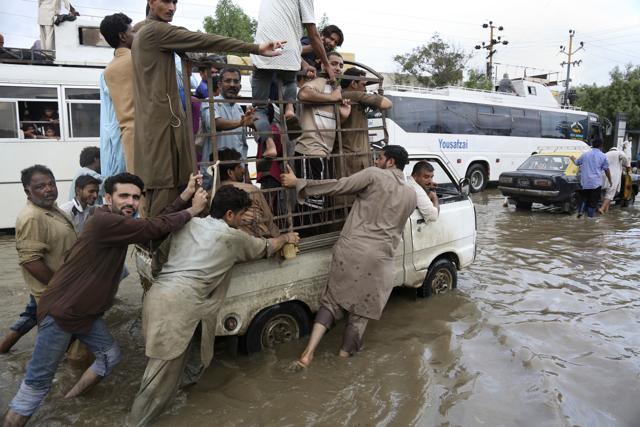
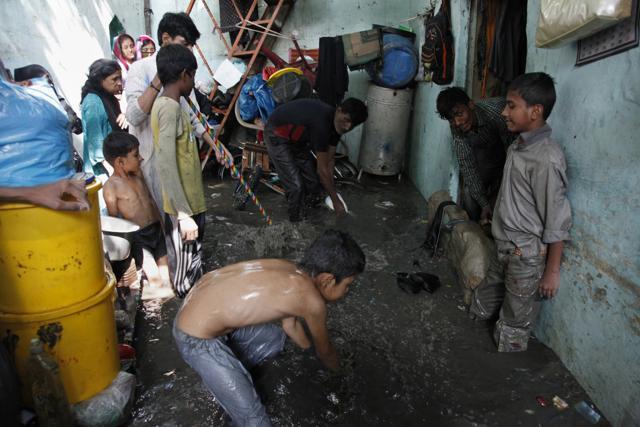
Most of the deaths were caused by electrocution and other rain-related incidents. Some 400 houses in settlements along the Lyari river were inundated.
Most major thoroughfares were flooded while there were reports of parts of buildings and portions of roads collapsing.
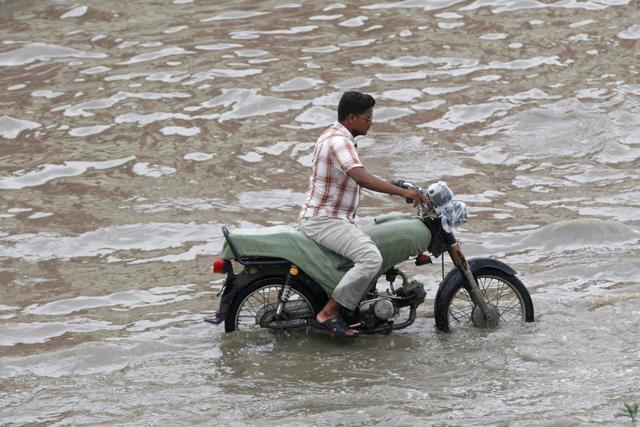
Pakistan’s largest city received up to 130 mm (5.11 inches) of rainfall on Thursday. The army and paramilitary Pakistan Rangers were directed by Prime Minister Shahid Khaqan Abbasi to help clear roads and re-establish communication in the city of some 15 million.
The army, the military’s media wing said, is extending full assistance to civilian authorities and has despatched water extraction pumps to the affected areas. The Pakistan Navy too was assisting the city’s administration and had provided water pumps to drain several areas of the metropolis, a navy spokesperson said.
The navy also sent boats and divers to assist in rescue and relief operations.

The heavy rainfall severely disrupted transport across the city and affected dozens of flights at Jinnah international airport.
The deaths in Karachi were the latest in a disaster that has so far killed more than 1,200 people across the region encompassing India, Bangladesh and Nepal. Countries in the region suffer frequent flooding during the monsoon season, but international aid agencies say things have been worse than normal this year.


