
 E-Paper



The creation of James Bond: How 007 was born out of a journalist-turned-British intelligence officer and his WW2 realities
James Bond was born out of British naval intelligence officer Ian Fleming's experiences during the Second World War.

 Prefer HTon Google


From Barry Nelson, Sean Connery, and Pierce Brosnan to Daniel Craig, the character of James Bond remains a household name across the globe. On Monday, actor Robert Pattinson was named as the next James Bond for the upcoming movies in the franchise.
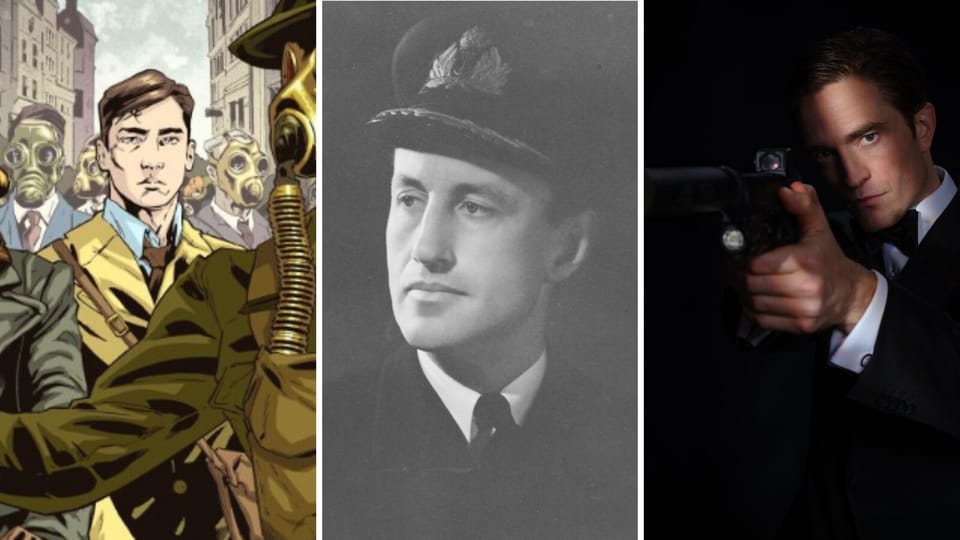
As the world waits for the next 007 movie to hit the theatres, here's a look at what actually led to the creation of James Bond and the character we know today.
The real 'James Bond'
Bond was born out of British naval intelligence officer Ian Fleming's experiences during the Second World War.
Deep Dive

Fleming, born in 1908, went from being a journalist to an officer in the Royal Navy’s Naval Intelligence Department and the creator of James Bond.
According to the National World War Two Museum, during the war, Fleming was recruited in 1939 to serve as Director of Naval Intelligence Rear Admiral John Godfrey's assistant.
After a short stint as Godfrey's assistant, where Fleming was referred to by the code name "17F," he was commissioned into the Royal Naval Volunteer Reserve in July 1939 as a lieutenant.
Despite having no naval experience or intelligence training, Fleming was quickly promoted to lieutenant commander as his skills as a stringer journalist proved useful.
Ian's role in the naval intelligence unit and his brother, Peter Fleming, being part of MI-5, which is the counterespionage department, gave the Bond creator wide access to British intelligence services.
Fleming was involved in planning Operation Goldeneye and in the planning and oversight of two intelligence units: 30 Assault Unit (30AU) and T-Force.
Also Read | The new 007 and the old habit of recasting heroes as portraits for their times
30AU was based on a German unit that targeted and seized important documents from key enemy locations. After he was reassigned, Fleming then helped create Target Force (T-Force), a special unit tasked with obtaining records and information from enemy laboratories and headquarters.
End of WW2 and the first Bond book
With the end of the war in 1945, Fleming was demobilised from the services but remained on the naval reserve list until 1952. During this time, he returned to journalism and later wished to author a spy novel.
Two months later, in 1952, Fleming authored Casino Royale, the very first James Bond novel. Inspired by his trip to Portugal in 1941 to Casino Estoril, where he saw Germans he suspected were intelligence officers with the Abwehr, Fleming daydreamed about bankrupting them in a game of Chemin de Fer.
This daydream of Fleming's turned into a series of novels, TV series and a movie franchise that continues long after his death in 1964.
While the movies based on Fleming’s books have strayed far from their roots, his novels featuring his creation, secret agent James Bond, remain clearly and heavily influenced by his wartime experiences.
Barry Nelson kicks off James Bond on screen
The very first on-screen appearance of James Bond was played by American stage actor Barry Nelson in a live 1954 US television adaptation of Casino Royale on the CBS Climax! series.
Soon after this, Sean Connery made his official debut as James Bond in the movie Dr No. in 1962. Following Sean Connery, a series of actors have played the spy with a "license to kill", such as Roger Moore, Timothy Dalton, Pierce Brosnan, and Daniel Craig, with the baton now being passed to the Twilight and Batman actor Robert Pattinson.


