
 E-Paper



Transit hub at centre of search for hundreds of missing foreigners in Nepal floods
On eve of the disaster, Rasuwa hosted around 800 to 1,000 foreign tourists during the season for the Kailash Mansarovar Yatra, Langtang, and Gosai Kunda treks.

 Prefer HTon Google


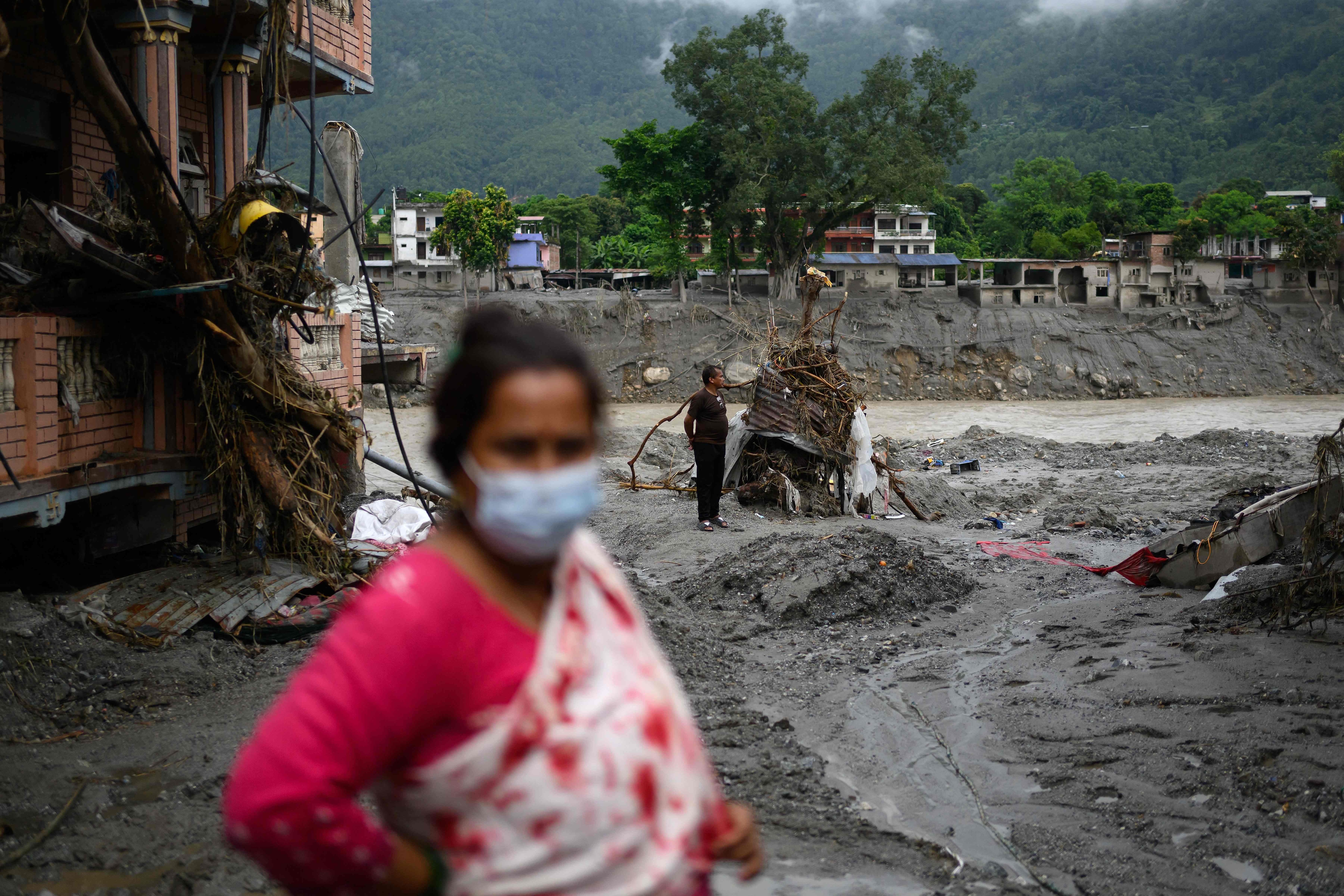
Rasuwa, a critical transit hub near the Nepal-China border, has become the epicentre of a multi-agency search and rescue operation after flash floods along the Trishuli River basin flattened infrastructure across the district and left hundreds, including foreign tourists, stranded.
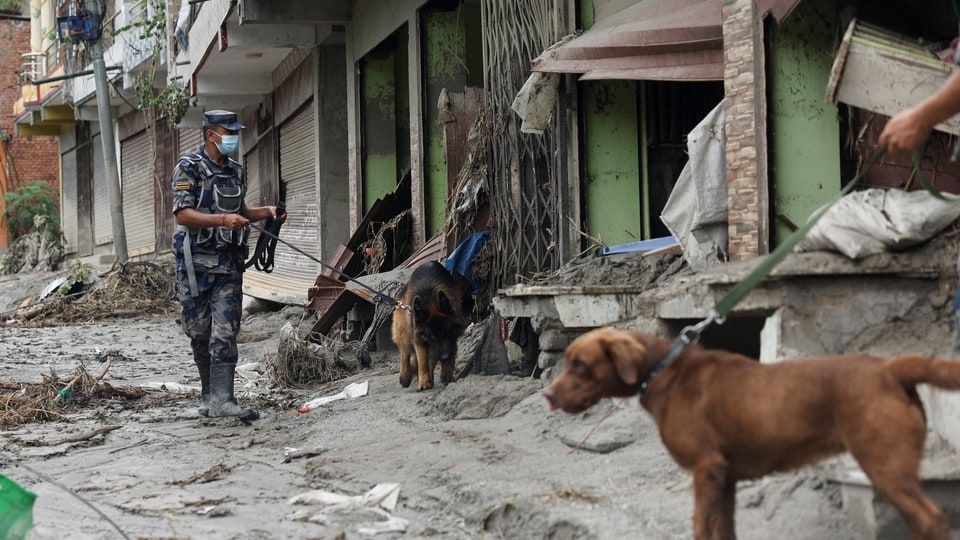
On the eve of the disaster, Rasuwa hosted an estimated 800 to 1,000 foreign tourists during the peak season for the Kailash Mansarovar Yatra, Langtang, and Gosai Kunda treks. These travellers were concentrated across 40 to 45 main hotels and 80 to 90 homestays in Kerung, Syabrubesi, and Timure, according to the Trekking Agencies’ Association of Nepal (TAAN). Follow for live updates on Nepal floods here.
TAAN helping Nepal police
TAAN is helping the Nepal police and army with details of travellers (mostly tourists) who registered with them and moved toward this border town from Kathmandu for the three main treks. Nepalese authorities are using these details to track missing persons and share information about foreigners with their embassies.
Deep Dive

Karma Sherpa, senior vice president of TAAN, said, “This is the peak season for the Kailash Mansarovar and the other two treks. They stay the night in the town area of Rasuwa near the Trishuli river. There are around 40-45 hotels in Kerung, Syabrubesi, and Timure. By our estimate and data collected from all trekking agencies, nearly 800 to 1,000 foreigners had converged at Rasuwa or were on their way towards the border district, having reached Nuwakot. The number could be higher because some tourists may not have registered and came for the Langtang and Gosai Kunda treks, which do not require crossing the border.”
Sherpa said breakfast time at these hotels is usually before 8 am, after which tourists proceeding toward the Mansarovar Yatra have to travel higher into Tibet for immigration and other formalities. “We are hoping the tourists may have left their hotels early in the morning before the flash flood swept the structures away, as is being reported. Perhaps many tourists have climbed into the higher reaches before the flash flood swept through the town,” he said.
Also Read | India watches Nepal flood crisis, puts NDRF on high alert in UP, Bihar
Nepal flash floods devastation
According to the latest data shared by Nepal’s National Disaster Risk Reduction and Management Authority (NDRRMA), at least 1,924 people have been reported missing, while 579 bodies have been recovered. Tourism department records show that of the 743 tourists reported missing, 622 are yet to be traced. The trekking body said all the tourists were in Rasuwa or its adjacent districts of Dhading and Nuwakot, heading towards Rasuwa for the three treks. Both neighbouring districts are among the six impacted by Wednesday’s flash floods.
The foreigners include citizens from various countries, including India, the US, the UK, Australia, Ukraine, Malaysia, Canada and Singapore. Of the 183 Indians reported missing, 85 have been rescued or contacted. The US accounts for the second-highest number of missing foreigners at 67 (with two rescued), followed by Ukraine at 61.
Also Read | Several NRIs, OCIs missing as Nepal floods disrupt cellphone links
TAAN’s second vice president, Sanam Sherpa, said they have been unable to contact staff at the hotels in Rasuwa where tourists stay. “The bridges and villages in Nuwakot, which connect to Rasuwa, are also destroyed. We are unable to get in touch with the hotels. There are reports that the hotels and towns in both districts (Nuwakot and Rasuwa) are washed away. Our association has shared the passport and registration details of every foreigner registered with the different trekking companies before proceeding to this border district.”


