E-Paper


Researchers tested fungal pigment in plant-based plastic aboard the ISS; after 6 months, the composite lost up to 89% less mass
An ISS experiment found plant-derived plastic with fungal melanin lost less mass than pure plastic after six months in orbit, suggesting tougher spacecraft.

 Prefer HTon Google


A biological pigment produced by fungi could help plastic materials withstand the harsh environment beyond Earth, offering a promising direction for future spacecraft, orbital laboratories and long-duration space missions. In an experiment aboard the International Space Station (ISS), researchers found that adding fungal melanin to a plant-derived plastic significantly reduced material loss after approximately six months in low Earth orbit.
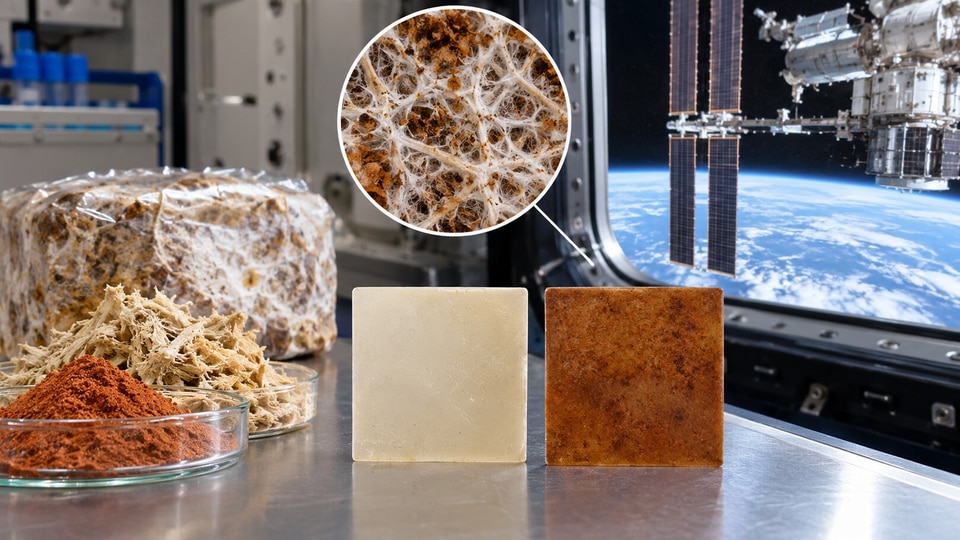
The findings, published in Proceedings of the National Academy of Sciences, highlight how nature-inspired materials could address a persistent challenge in space exploration. Protecting equipment from radiation, temperature fluctuations, and other environmental stresses without adding excessive weight to spacecraft. The study does not establish that the material is ready for operational use, but it provides experimental evidence that a biological additive can improve the durability of a widely used biodegradable polymer. Space agencies are also looking for ways to extend missions when faulty components cannot be replaced. That can be costly or impossible, so longer-lasting materials would reduce maintenance needs.
How fungal melanin helped protect plastic in orbit
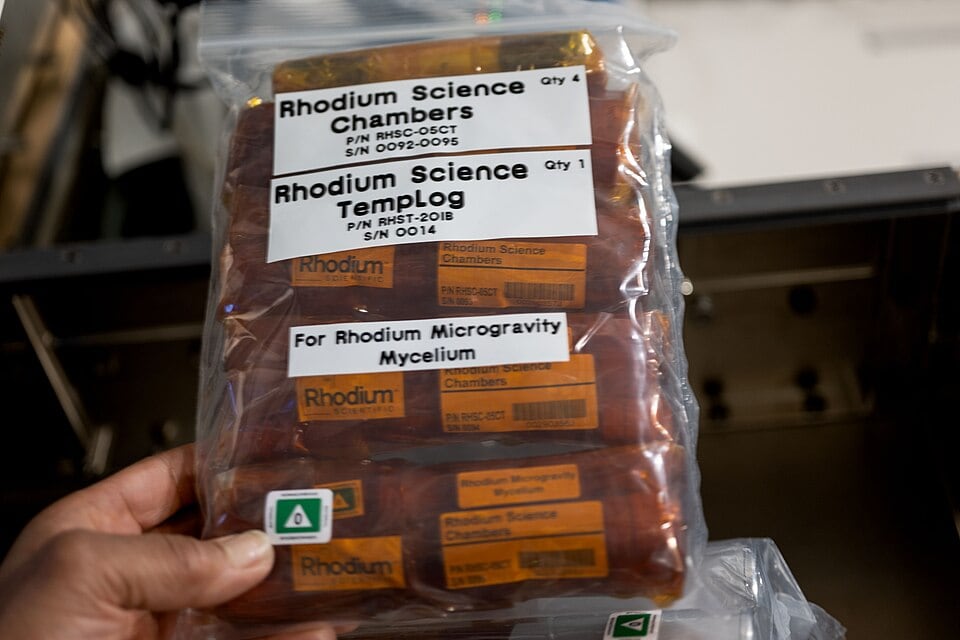
The research examined polylactic acid (PLA), a degradable biopolymer that can be produced from renewable resources such as corn starch and used in applications such as 3D printing. While PLA has many benefits compared to traditional plastic polymers, the material's behavior under space constraints requires scrutiny. The study tested PLA samples containing fungus-derived pigment, synthetic melanin, and animal melanin. Another sample used in the study was made of pressed fungal mycelium with a coating of PLA.
It took about six months before the samples could be recovered on Earth to study them, as well as compare them with the controls left on Earth. It is the fungal melanin composite that demonstrated the most remarkable effect. For example, in the zenith-facing orientation, the composite lost about 0.015% of its weight, compared with 0.132% for pure PLA. This means the composite had 88.6% less mass loss, which rounds to 89%. The effect varied by orientation. For example, in the case of the wake-facing orientation, the difference was about 54.5%.
Melanin offers more than structural stability
Melanin is best known as the pigment that gives color to skin, hair, and many other organisms. In fungi, however, it also plays a protective role, helping cells withstand environmental stresses, including radiation. Earlier research published in Environmental Microbiology found that the melanized yeast strain, Cryptococcus neoformans, exhibited a 50% increase in viability compared to its non-melanized variant after being exposed to conditions on the ISS for 29 days. This finding suggested that melanin can help biological organisms withstand space conditions. The current research builds upon this concept by studying the effect of melanin on synthetic materials.
In the NASA-funded study, PLA infused with fungal melanin showed fewer surface wrinkles than pure PLA. Additionally, the composite protected the underlying polyvinyl chloride from damage caused by UV rays and space radiation. These findings imply that melanin plays dual roles in providing protection: preservation of material integrity and increasing its shielding ability from the environment. Nevertheless, the experiment did not show complete resistance to radiation or degradation. All the materials underwent degradation to some extent depending on the structure and arrangement.
What the findings could mean for future missions
The findings could help create lightweight materials for spacecraft components, equipment housings, and future living spaces. Long-term missions to the Moon and Mars have highlighted the need for materials that can withstand extended exposure to high levels of radiation and extreme temperatures without requiring constant repair or replacement. PLA is a good choice since it can be sourced from renewable materials and molded into more complicated forms. Using a biological pigment could improve durability while retaining the benefits of being a plant-derived material.
However, the results may be considered the initial stage on the road to practical usage. It needs to be proven that the compound preserves its mechanical properties, flexibility, and protective ability under numerous temperature cycles, radiation impact, and other challenging conditions. In addition, the issues of manufacturability, price, and efficiency of this compound at large scales should also be considered before its wide adoption. Having less mass lost during six months of the orbital test does not always mean that the part will be durable in all cases.
Despite this, the research suggests that biology can help inspire solutions to engineering problems. Using a biodegradable polymer and a natural shielding agent, scientists found a possible way to make tougher plastics for space. As space exploration extends farther from Earth, producing durable materials with fewer resources could become increasingly useful. While melanin-containing plastic is not yet ready for use, it offers a promising foundation for future sustainable materials.