E-Paper



Negotiating tense ties with neighbour China key area of focus for new NDA govt
Challenges posed by the fraught ties with China and concerns over Beijing’s actions in the Indo-Pacific will remain one of the priorities in foreign policy

 Prefer HTon Google


Diplomats in New Delhi were left scratching their heads after a post on X by China’s new ambassador Xu Feihong appeared to suggest that India is blocking the imports of Chinese electric vehicles through the use of anti-dumping measures.
Xu, who arrived in New Delhi last month to fill a position that had been vacant for nearly 18 months and presented his credentials to the Indian president on May 31, uses social media more prolifically than his two previous predecessors.
In a post on X on Thursday (June 6), Xu appeared to take a swipe at Indian authorities over allowing in vehicles from Western carmakers while blocking Chinese products. “So many Japanese, Korean, American and German cars on #Delhi streets! Can't help but think: should all major car exporting countries be blamed for “overcapacity”?” he wrote in his post, with a collage of seven images of cars on the streets of the national capital.
“If not, why China's export of new energy vehicles is labelled “overcapacity”? America is a big exporter of soybeans, chips, and Boeing planes. Why it’s not "overcapacity"?” Xu questioned.
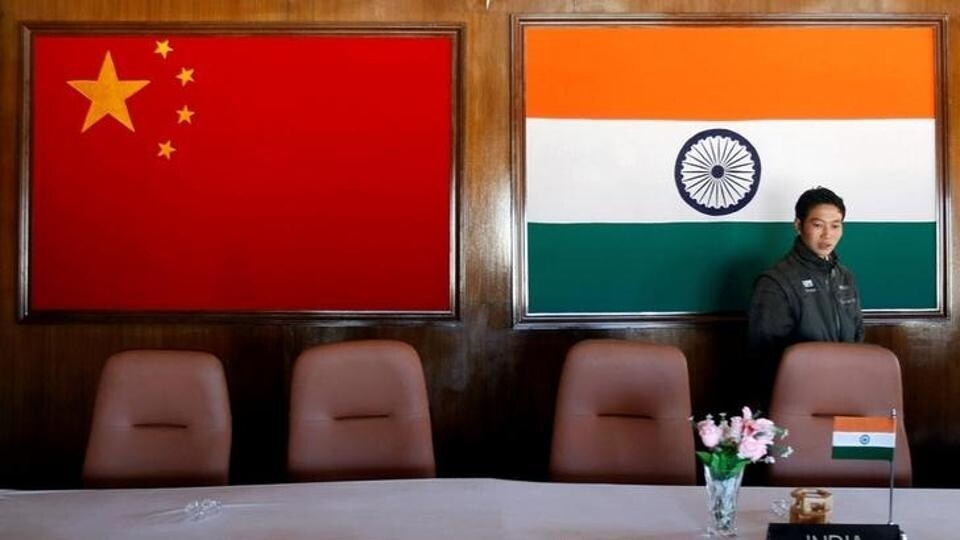
The envoy also sought to question whether this amounted to double standards, an apparent reference to restrictions India has imposed in the trade sector since the start of the dragging military standoff on the Line of Actual Control (LAC) in May 2020. The face-off, and especially the death of 20 Indian soldiers in a brutal clash at Galwan Valley in June 2020, has taken bilateral relations to their lowest point since the brief but bitter border war of 1962.
“Isn't that naked double standards? Trade is about the exchange [of] one's quality products to make life better for the other side. If that means “overcapacity”, shall we end trade around the world?” Xu said.
After the standoff on the LAC began, India has banned more than 400 Chinese apps, including TikTok, and taken steps to effectively restrict new Chinese investments. Authorities have also blocked Chinese telecom major Huawei from participating in the creation of new 5G networks.
However, trade between India and China ballooned to a record $136.2 billion during 2023, with the balance in favour of Beijing, since Chinese exports rose to $118.5 billion and surpassed the $100-billion mark for the first time.
Besides India, the US and many European countries have concerns about the overcapacity in China’s manufacturing sector. They believe China’s massive investments in state-run enterprises have created excess capacity in key sectors such as electric vehicles (EVs), batteries and solar panels, which could lead to products being dumped in foreign markets.
In many ways, the sentiments expressed by the Chinese envoy reflect Beijing’s stated position that India and China should put the border issue in its “appropriate place” in the overall bilateral relationship while taking forward relations in areas such as trade.
This is completely at odds with the position taken by external affairs minister S Jaishankar, who cautioned business leaders at the annual summit of the Confederation of Indian Industry (CII) last month to assess all business dealings with China through a “national security filter” and to source more goods from domestic manufacturers. Jaishankar has also maintained that the overall relationship can’t be normalised without peace and tranquillity on the border.
It is also clear that the challenges posed by the fraught relationship with China, and concerns over Beijing’s aggressive actions across the Indo-Pacific, will remain one of the foremost foreign policy priorities of the new National Democratic Alliance government that is set to take office over the weekend.
At least one member of the diplomatic community in New Delhi and a former Indian ambassador chose to respond to the Chinese envoy’s post on X. Retired diplomat Rajiv Bhatia, distinguished fellow for foreign policy studies at Gateway House, posted: “A noticeable start of China’s new diplomatic innings in India?”
Danish ambassador Freddy Svane, another prolific user of X, noticed that his official car featured in the collage of images used by Xu and posted: “Dear colleague. Thanks for promoting Denmark. Happy to be a front runner.”