
 E-Paper



Rudraneil Sengupta, National Sports Editor, picks his favourite reads of 2021
The 10 books in the Martin Beck series by Maj Sjowall and Per Wahloo that sparked the genre now known as Nordic noir are superbly paced, intricately crafted, and balance the grit of a police procedural with insights into a society in flux

 Prefer HTon Google


I was first lured into detective Martin Beck’s world six or seven years ago; browsing in a happy daze inside a favourite bookshop, I noticed a series of sleek crime fiction paperbacks stacked next to each other. The covers looked great (what’s that saying about judging a book?) and the blurb said the authors sparked the genre now known as Nordic noir. Of course, I had to buy one. I read Roseanna, the first book of the series, at one, breathless, entranced, go. Then I dedicated a couple of weeks of my life to the other nine books of the series, transported to Sweden in the 1960s, gamely trying to keep up with street names 10 syllables long, immersed in the lives of a fascinating group of men led by the glum, chain-smoking detective with a perpetual cold, Beck — Stockholm’s murder squad.
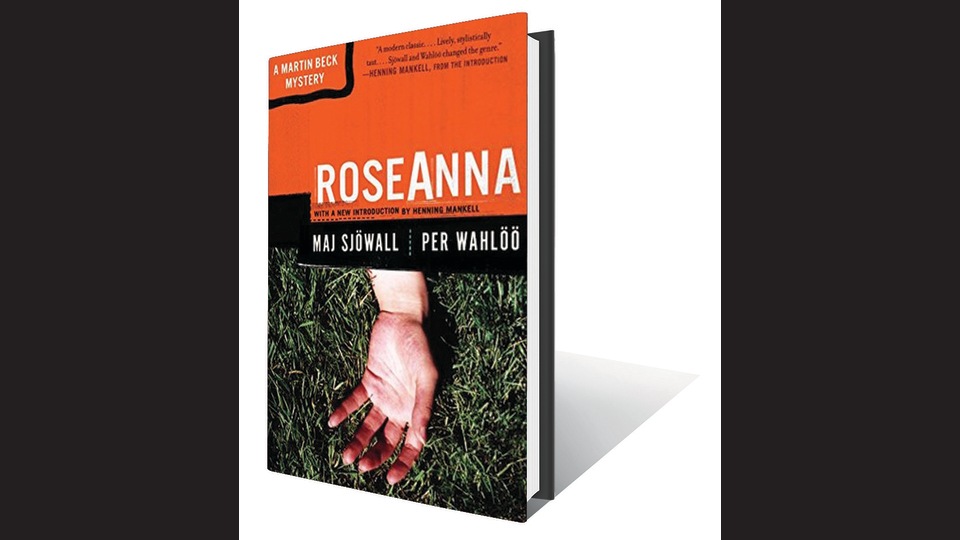
Cooped up at home because of the pandemic, I turned again to the series this year, thrilled anew by the superbly paced, intricately crafted plots, the attention to detail into people and places and incidents, and the breezy, often funny balancing of the grit of a police procedural and the insights into a society in flux. All this emerges from the lives of the policemen and their interactions with people of every kind in the course of the investigation.
Roseanna opens with the discovery of the body of a young woman, raped and murdered, from the idyllic Lake Vattern, a favourite with tourists. In comes Beck, the soft-spoken, methodical and determined chief of the Murder Squad, who, unprepossessing as he is in the novels, became the archetype for the police procedural hero. Also in the team: Lennart Kollberg, an overweight epicurean (his relationship with his wife is one of the small joys of the series) who never carries a gun; the pipe-smoking Fredrick Melander who says little but has a photographic memory. Later in the series, we are introduced to some more memorable characters — the giant, ill-tempered and violent Gunvald Larsson and the two blundering patrolmen, Kvant and Kristiansson who have a knack for being in the thick of things and messing everything up.
The story of the authors is about as fascinating as the series itself. The 10 books were written over 10 years (1965-75) by Maj Sjowall and Per Wahloo, who were leftist journalists. The couple (they never married) took turns to write a chapter each on alternate nights, after putting their children to bed, sometimes working through the night. From this domestic collaboration rose a body of work that went on to define the police procedural as we know it today: a murder being investigated through the slow accumulation of evidence and questioning, the lives of the investigators, immersive details of the setting, and a lens on the society in which the action is unfolding. Nordic crime fiction authors like Henning Mankel have acknowledged their pioneering work of course, but their influence went far beyond their geographical boundaries.


