
 E-Paper



India’s payments system is ten. It must start paying for itself
Processing 24bn transactions a month does not come cheap


 Prefer HTon Google


IT SITS ATOP coconuts on Mumbai beach carts, alongside samosas in Delhi snack shops and among Navy Cuts at Kolkata cigarette stalls. It is displayed on rickshaw-drivers’ seat backs, utility companies’ bills and Amazon’s checkout page. It can be scanned to buy ten rupees- (ten cents-) worth of peanuts or a 100,000-rupee iPhone. So ubiquitous has the QR code become—and so quotidian its use—that it is easy to forget just how recent an addition it is to the Indian landscape.
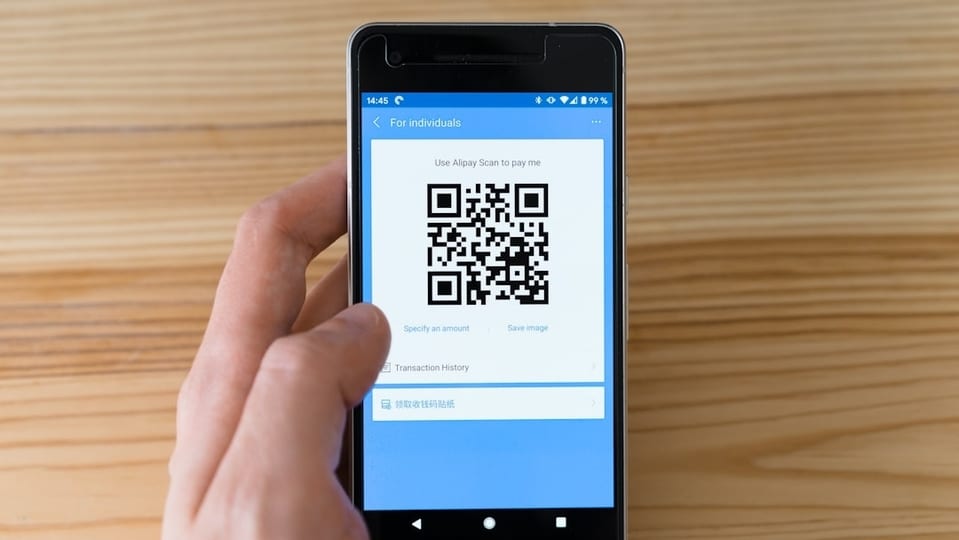
The QR code is the visual signature of Unified Payments Interface, or UPI, a platform that celebrated its tenth birthday on August 25th and which has revolutionised how money moves in India. In the paleolithic era—before 2016—cash was used for almost all transactions by number and two-thirds by value. Cheques accounted for the majority of non-cash dealings. And for some reason everybody pretended they had no small change, giving rise to an alt-currency of one-rupee boiled sweets.
In the first 12 months after UPI’s launch, Indians used the platform to make 73m transactions worth 227bn rupees. This year, in the month of July alone, it was used 24bn times for transfers worth nearly 30trn rupees. More than 85% of non-cash transactions now go through UPI (cheques are down to just 0.2%). And there is still room for growth. The network’s 550m-odd users make up just over half of India’s adults.
There are many reasons for UPI’s success. Chief among them is its simplicity. All a user has to do to both send and receive money is to link their bank account to a mobile app. After that, making a payment is as easy as scanning someone’s QR code or entering their phone number—no need to share bank details, fiddle with plastic cards or ever go near a point-of-sale device.
Other factors contributed. Jio, a telecom network, was launched the same year as UPI. Its aggressive pricing caused mobile-data costs to plummet, bringing millions of Indians online—and thus to UPI apps. Narendra Modi’s surprise decision to invalidate 86% of cash rupees by value in November that year—cancelling 500- and 1,000-rupee notes, ostensibly to punish undeclared cash holdings—also played a part. The policy wrecked the informal economy and slowed GDP growth, but predictably cashlessness soared. UPI transactions rose from 100,000 in October 2016 to 2m that December.
Another helpful, less damaging, policy was the government’s decision to ban fees for commercial UPI transactions. A merchant accepting a credit or debit card typically pays for the privilege. That fee is split between the network provider (such as Visa or Mastercard), the card-issuing bank and others. But since 2020 a merchant has paid nothing to accept payments via UPI. That spurs adoption, too.
Shortly before UPI’s tenth birthday, parliament passed legislation unbanning those fees. Though new rates have not yet been set, it is expected that they will apply only to commercial transactions and above a minimum amount that would exclude most transfers, including to the coconut vendor, the rickshaw driver or between individuals. The idea is that only big businesses will pay. Oddly for India, where big business is unpopular, the reaction has been mostly negative. Critics of the proposed fees have argued that the government’s costs are offset by savings from printing less money; that UPI’s benefits outweigh its costs; and that consumers will ultimately bear the burden.
That last one at least sounds as if it has merit. But UPI costs money to operate. The system is overseen by the National Payments Corporation of India, a non-profit body jointly owned by public and private financial institutions. Banks spend huge amounts to maintain their networks, guard against fraud and ensure payments go through reliably. In return, the government gives them subsidies that cover only a small fraction of their costs. Without proper funding banks have little incentive to invest in innovation. Worse, they are barely able to keep up with basic maintenance and anti-fraud measures. Consumers already pay—but indirectly through taxes and a service that is not as good as it could be.
India’s government deserves praise for building UPI, for turning it into the backbone of the country’s payments and for making the right decisions about fees twice over. But none of those achievements will amount to much if the system stagnates or weakens. For years UPI has been a way for others to pay. It needs to pay its own way, too.


