
 E-Paper



Tata Motors unveils features of soon-to-be launched Tiago EV: Report
Tata Motors had officially confirmed the launch of its vehicle on World EV Day, September 9. The Tiago EV is powered by the same Ziptron technology as Nexon EV and Tigor EV. The battery options might be carried forward from Tata XPres-T electric sedan which is offered free from fleet operators.

 Prefer HTon Google


Tata Tiago EV, which is being called India's most affordable electric car, will make its official debut in Indian markets by the end of this month. Ahead of the introduction, its parent company Tata Motors has unveiled some features of this brand new electric vehicle, Hindustan Times' sister website Auto HT reported. Tata Tiago EV joins the likes of other electric vehicles from Tata Motors like Tigor EV, Nexon EV, Nexon EV Max and Nexon EV Prime.
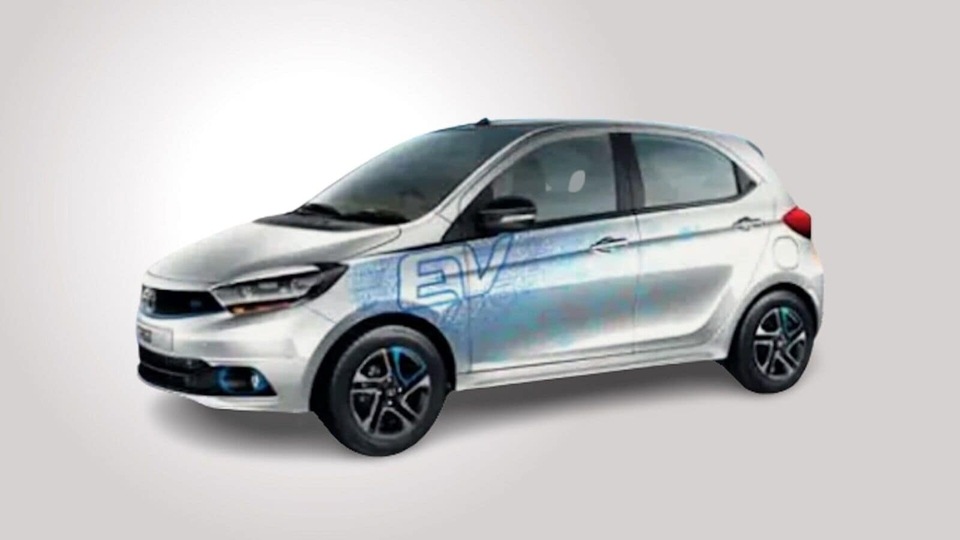
According to report, the company has said that Tiago EV will offer cruise mode in addition to the one pedal technology. The second feature will enable the drivers to opt for a strong ‘regenerative braking’ that will help in preserving charge of the electric car. Tiago EV is also expected to be equipped with a multi-mode regen functionality, the Auto HT report stated.
Tata Tiago will be the country's only hatchback model to have an electric version besides the CNG and ICE versions. The CNG version was launched in January this year. On the other hand, Tata's Tigor is the first model across the country to get all the three versions.
Tata Motors had officially confirmed the launch of its vehicle on World EV Day, September 9. The Tiago EV is powered by the same Ziptron technology as Nexon EV and Tigor EV. The battery options might be carried forward from Tata XPres-T electric sedan which is offered free from fleet operators, the Auto HT report stated.
Tata Motors has said it is expecting 20 per cent of its total passenger vehicle sales in the domestic market to be from electric vehicles in the next three years, PTI quoted Tata Motors Passenger Vehicles and Tata Passenger Electric Mobility Managing Director Shailesh Chandra.
"Last year, we ended at 5 per cent. Before that we were at 2 per cent and the year before that it was 1 per cent," he said.


