E-Paper



25% rain deficit in July may hit Haryana’s paddy output: Experts
IMD data shows 20 of the state’s 22 districts receive below-normal rainfall, with Sirsa, Rohtak and Jind the worst-affected

 Prefer HTon Google


Haryana has recorded a 25% rainfall deficit in July so far, raising concerns over the ongoing kharif season, with agricultural experts warning that weak monsoon may lead to a decline in paddy acreage and production in the state.
According to the India Meteorological Department (IMD), the state received 69 mm rainfall against the normal 92 mm during July till date. Since June 1, the state has recorded 107 mm of rain, well below the seasonal normal of 143 mm.
The rainfall deficit has been widespread, with 20 of the state’s 22 districts receiving below-normal rainfall. Sirsa, Rohtak and Jind are the worst-affected districts.
Data accessed by HT shows that Sirsa received only 6mm rain against normal 51mm, Jind district received 29.5mm rains against 91.5mm, Ambala received 91mm rainfall against normal 185.8mm, while Rohtak received only 28 mm against normal 108mm rainfall. Hisar, Bhiwani, Nuh, Sonepat, Panchkula, Charkhi Dadri and Jhajjar have also recorded 25 to 30% below-normal rainfall. In contrast, Kurukshetra received 126mm rainfall against the normal 88mm, Faridabad recorded 140 mm rain against 114mm, while Yamunanagar received the highest 182 mm rainfall against the normal 189 mm. Karnal received 137.9 mm against the normal 122.9mm.
The rainfall deficit has already begun affecting kharif sowing. According to the Haryana agriculture and farmers’ welfare department, crops have been sown over 20.50 lakh hectares till July 19, compared to nearly 23 lakh hectares during the corresponding period last year. The state has set a kharif sowing target of around 31 lakh hectares.
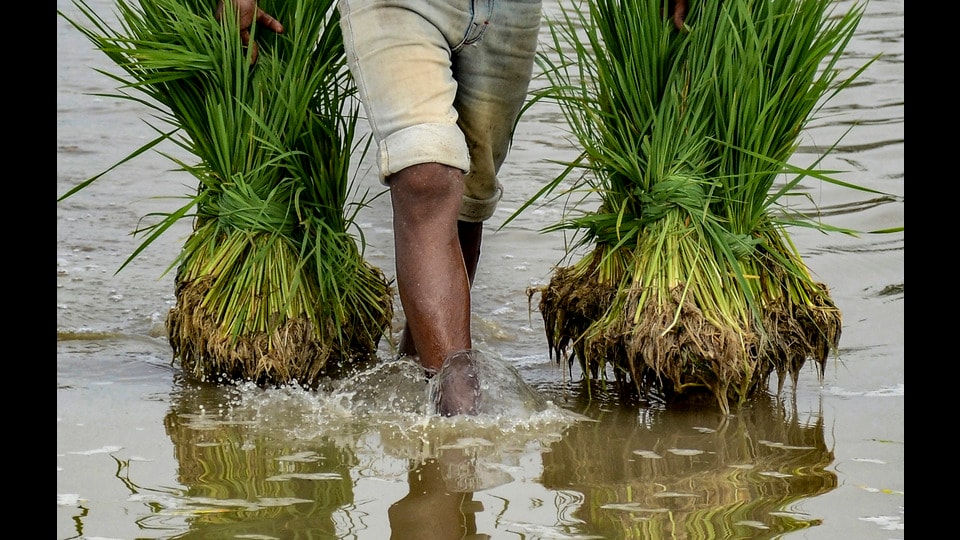
Officials said paddy has been the worst affected. Against the target of 18.53 lakh hectares under paddy cultivation, nearly 25% of the area is yet to be transplanted, though the final figures are yet to be verified.
Agriculture experts said the prolonged dry spell during the peak transplantation period is likely to hit paddy cultivation the hardest. Paddy, being a water-intensive crop, depends heavily on timely monsoon rains, particularly in western and central Haryana.
“Deficient rainfall during the critical transplantation period forces farmers either to delay transplanting or reduce the cultivated area, directly affecting production. Water-saving technologies like Direct Seeded Rice (DSR) become even more important under such conditions,” said Dr Virender Lather, former Principal Scientist at the ICAR-Indian Agricultural Research Institute (IARI).
Chaudhary Charan Singh Haryana Agricultural University (CCSHAU), Hisar vice-chancellor BR Kamboj said, “It is true that there has been deficit rains in the month of July. However, there is a good scenario that the area under DSR has increased this year and its crop condition is good. This eases the immediate requirement of irrigation, and water resources can be judiciously distributed among rice fields”
“Hopefully, monsoon will pick up again, and things will improve. The HAU has advised farmers in rain-deficit areas with limited irrigation facilities to opt for short-duration and drought-tolerant crops such as bajra, maize and pulses to minimise losses”, he added.