
 E-Paper



Celebrating Sikh diaspora with roots in Land of Maple Leaf
Shuttling through space and time, the Sikhlens Foundation’s sepia-tinted 2023 calendar is a veritable time capsule, taking one to Canada of the 1900s when the first wave of immigrants, fresh out of Punjab, were trying to assimilate and settle down in the Great White North.

 Prefer HTon Google


Chandigarh: Shuttling through space and time, the Sikhlens Foundation’s sepia-tinted 2023 calendar is a veritable time capsule, taking one to Canada of the 1900s when the first wave of immigrants, fresh out of Punjab, were trying to assimilate and settle down in the Great White North.
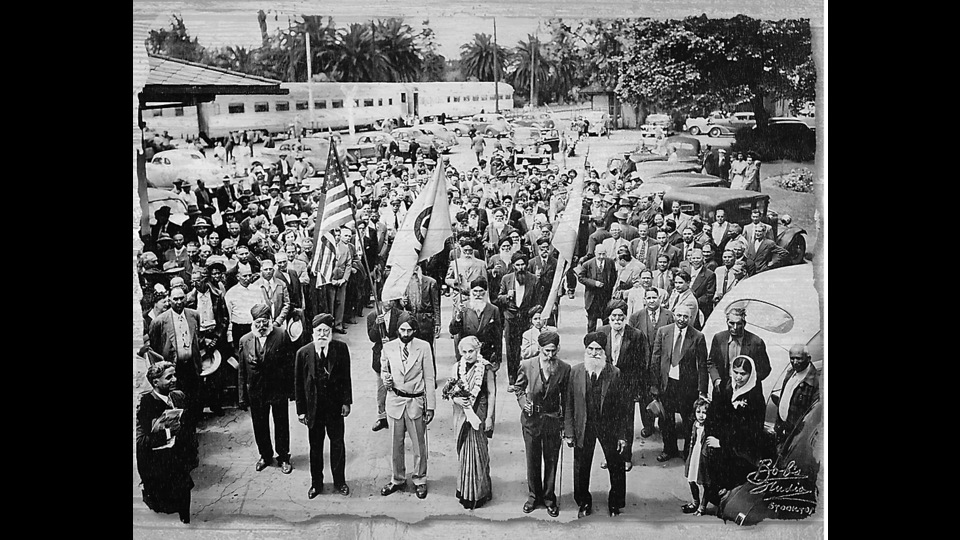
Curated by Canadian historian Karen Dosanjh, author of Untold Stories: The South Asian Pioneer Experience in BC, the calendar comprises rare snapshots, retracing the journey of the Punjabi diaspora from the time they faced discrimination – men were regarded with suspicion and not allowed to enter public spaces, and their wives and children were not permitted to set foot on the soil for fear that it would give “permanency to their community in Canada” – to the modern day when the community is thriving in the country, so much so that some refer to it as mini-Punjab.
From pages of history
Flip the calendar to January, and one is greeted by a steely-eyed soldier in military regalia. Dosanjh tells us that the distinguished gentleman is Kesur Singh, a risaldar major, believed to be the first Sikh settler in Canada in 1897. Over subsequent months, we are shown vignettes crucial to the history of the Sikh diaspora, including the first Sikh temple in North America; and are introduced to turbaned men in overalls, the workforce that migrated from rural Punjab; Hardial Singh Atwal, the first child to be born to Indian-origin parents; passengers aboard Komagata Maru, who were confined to their ship and denied food, water, and medical aid for two months by Canadian immigration officials before being told to return to India where they were fired upon and imprisoned; Durai Pal Pandia, the Oxford-educated lawyer, who fought to get Sikhs the right to vote; and Mahinder Singh Beadall, who in 1947 became the first Sikh to vote in Canada.
Ask Dosanjh, which part of the community’s struggle touched her the most, and she says the “little known” struggles of women. “Once they were allowed to join their husbands in the new country, they were told they could not bring their beautiful suits and sarees. They had to assimilate quickly, and look and dress like natives. They were terribly lonely as they did not speak the language and would rarely leave home,” she says.
The vice-president of a marketing and communications firm, Dosanjh calls the project her sewa (service). “These stories should be part of the school curriculum as they are important to Sikh students’ self-identity and sense of belonging.”
Know the pioneers
Founder of Sikhlens Foundation, Bicky Singh, agrees. “The next generation should know the stories of these Sikh pioneers. If there are Indian-origin ministers in Justin Trudeau’s cabinet today, the credit goes to these trailblazers,” he says.
The calendar, launched in California on November 17, is being shipped to patrons across the globe. Bicky Singh says, “Each year, we feature Sikh artists, artistes, historians, and experts from around the world in our calendar, as their work is usually clubbed within the diaspora. This time, we chose Dosanjh.”
Ojaswwee Sharma, who heads the Sikhlens Chapter in India, says, “We will be releasing a film based on Dosanjh’s work at the Sikhlens Film Festival in Chandigarh in February. This calendar will ensure that the hidden histories of pioneer Sikhs in Canada stay fresh in people’s minds long after the festival ends.”
Calling it a “beautiful calendar”, Patrick Hébert, the consul general of Canada in Chandigarh, says, “It presents an important part of our history in Canada. I look forward to discussing these stories, and the rich contributions of the South Asian community to Canada during the Sikhlens festival.”


