
 E-Paper



Ludhiana: Worsening air quality linked to rise in respiratory, cardiac complaints
AQI climbs from moderate levels in September to 245–335 on November 3, spanning poor and very poor categories

 Prefer HTon Google


A district health officer has reported an increase in respiratory complaints and cardiac complications as air quality in the city deteriorates. Civil hospital pulmonologist Dr Ashish Chawla said that patients with asthma, chronic obstructive pulmonary disease (COPD) and existing heart conditions are particularly vulnerable to prolonged exposure to polluted air. Specialists have also reported more complaints of breathlessness, persistent cough, throat irritation and worsening cardiac symptoms during this period.
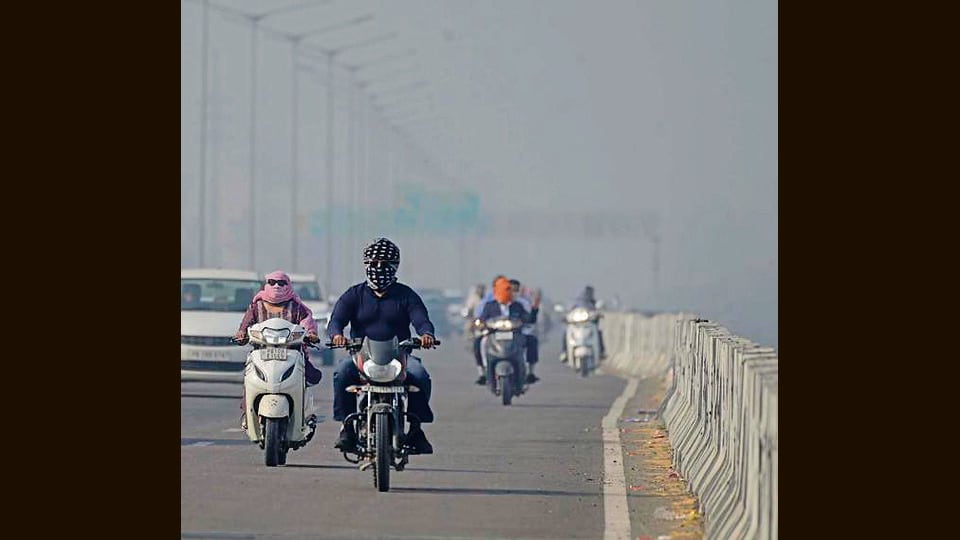
The decline in air quality has been particularly sharp over the past few weeks, coinciding with the paddy harvesting and stubble burning season.
According to Punjab Pollution Control Board (PPCB) data, the Air Quality Index (AQI) remained largely in the moderate category in September before beginning to climb in October. It touched 169 on October 24. By November 3, readings at monitoring stations across the city ranged from 245 to 335, spanning the poor (201–300) and very poor (301–400) categories. The severe category begins at 401.
Farm fires have added to the pollution load, alongside vehicular and industrial emissions.
According to the PPCB data, Ludhiana recorded 27 farm fire incidents between September 15 and November 1. Eight of these were detected in the three days from October 30 to November 1.
Dr Chawla said the number of patients seeking treatment for respiratory problems tends to rise during this period. People with asthma, COPD and other chronic respiratory conditions are particularly affected, as exposure to polluted air can aggravate their symptoms and make breathing more difficult.
Dr Chawla addressing the problem, said that sustained efforts are required to curb vehicular and industrial emissions as well as stubble burning. At an individual level, people should wear masks, avoid unnecessary outdoor exposure when air quality is poor and use air purifiers wherever feasible. Smokers should also refrain from smoking, he advised.
ENT specialist Dr Damanpreet Singh from civil hospital said he had also observed an increase in patients reporting colds, cough, dry throat, throat irritation and ear pain. Such complaints generally begin to rise in September and become more pronounced as pollution levels climb, particularly around Diwali and during the stubble-burning season.
Singh advised people prone to allergies to wear masks, limit outdoor exposure and avoid smoke. Those above 50 and people with existing respiratory conditions were particularly vulnerable, he said. Some patients might also require changes to the dosage or frequency of their medication, but only under medical supervision.
Cardiologist Dr Manbir Singh Khurana said polluted air could adversely affect people with existing heart conditions, particularly those with a low ejection fraction (EF), a measure of how efficiently the heart pumps blood. He said such patients faced a greater risk of their condition worsening or becoming decompensated, sometimes necessitating emergency hospitalisation.
Khurana reported a 15–20% increase in cardiac patients and a 10–15% rise in emergency visits. He advised people with heart conditions to check air-quality readings before stepping outdoors and avoid going out when pollution levels were high. If going outside was unavoidable, they should wear masks, stay away from dusty areas and continue taking their prescribed medication.
The doctors advised the elderly and people with pre-existing respiratory or cardiac conditions to take particular care during periods of poor air quality.


