
 E-Paper



Punjab: Rationalise demand, BBMB tells states as Bhakra, Pong levels remain below average
The decision was taken during the periodic technical committee meeting, where the states were advised to conserve water in the two reservoirs to ensure adequate supplies for irrigation

 Prefer HTon Google


The Bhakra Beas Management Board (BBMB) on Tuesday asked its partner states — Punjab, Haryana and Rajasthan — to rationalise their water demand and submit fresh, reduced water requirement schedules amid concerns over declining inflows and below-average water levels in the Bhakra and Pong reservoirs.
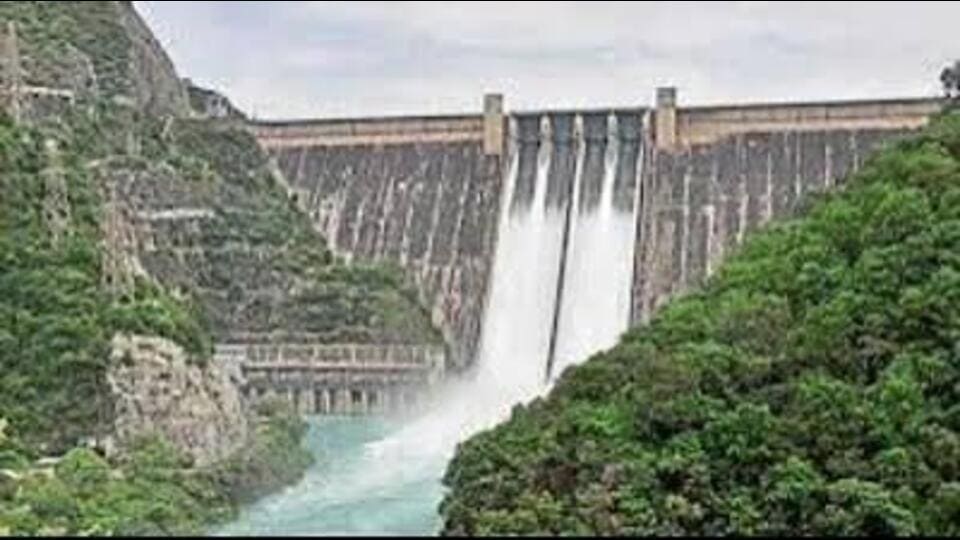
The decision was taken during the periodic technical committee meeting, where the states were advised to conserve water in the two reservoirs to ensure adequate supplies for irrigation and drinking water requirements during the coming dry months.
The water level in the Bhakra reservoir, has a maximum filling level of 1,680 feet, currently stands at 1,643 feet, around 20 feet below the average level calculated since the project began operations.
The BBMB has asked the partner states to help ensure that the reservoir reaches at least 1,650 feet by September 20, the end of the filling season.
A senior BBMB functionary said inflows into the reservoir were already tapering off and warned that if the trend continued, inflows could match outflows within a few days, leaving little or no scope for the reservoir level to rise further.
The states have been asked to submit conservative water requirement schedules by September 10, following which the BBMB will review and rework the releases.
At present, the three states are collectively drawing around 39,000 cusecs from the Bhakra and Pong systems — approximately 27,000 cusecs from Bhakra and 12,000 cusecs from Pong.
According to BBMB data, Punjab is currently drawing nearly 17,000 cusecs, Rajasthan between 13,000 and 14,000 cusecs and Haryana around 8,600 cusecs. The high level of withdrawals, coupled with weakening inflows, is leaving limited scope to conserve water for the months ahead.
“The states came with the same demand and were asked to scale down their requirements,” the functionary said.
The situation at Pong is also a matter of concern. Its current water level is around 1,372.5 feet, about 18 feet below the full reservoir level.
The water situation is in sharp contrast to the same period last year. During the 2025 monsoon, exceptionally heavy rainfall in the catchment areas of the Sutlej river led to a sharp rise in inflows into Bhakra. The reservoir reached its maximum level of 1,680 feet on September 5, despite the opening of its flood gates on August 19.
The subsequent release of large volumes of water contributed to flooding in several downstream districts of Punjab, including Tarn Taran, Amritsar, Gurdaspur, Kapurthala and Ropar. The state witnessed one of its worst deluges, with flooding continuing until the second week of September.
This year, the monsoon has been comparatively weaker. While cloudbursts and heavy rainfall in the Bhakra catchment can still trigger sudden surges in inflows, the current situation remains one of water conservation rather than excess water.
As of September 8, inflows into Bhakra stood at around 27,500 cusecs, significantly lower than the levels witnessed during last year’s heavy rainfall spells, when inflows crossed 1 lakh cusecs.


