E-Paper



Centre finally lets Uttarakhand use locally made oxygen to meet state quota
Uttarakhand had been requesting the Centre to let it meet its oxygen requirement from its own generation capacity, which it claims exceeds the state’s quota.

 Prefer HTon Google


The Centre has finally allowed Uttarakhand to use medical oxygen generated in the state for treatment of Covid-19 patients and also raised its oxygen quota following the high court’s intervention after several requests by the state government remained unanswered, a senior state official announced on Tuesday evening.
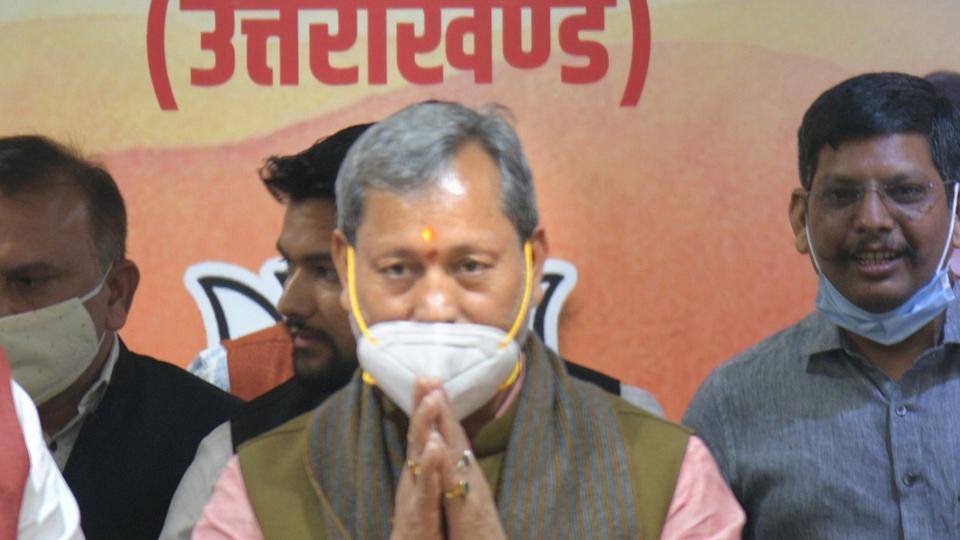
Uttarakhand’s oxygen quota has been raised from 183 metric tonnes to 200 MT and the hill state is now under no obligation to procure oxygen from Jharkhand and West Bengal as was mandated by the Centre, said Amit Negi, secretary state health department.
Uttarakhand was earlier granted a quota of 183 metric tonnes (MT) of oxygen, including 60 MT to be imported daily from Jamshedpur and Durgapur in Jharkhand and West Bengal, respectively. Uttarakhand had been requesting the Centre to let it meet its oxygen requirement from its own generation capacity, which easily exceeds the state’s quota. Negi said the state had set up 11 oxygen generation plants so far and more were being set up at district and sub-district levels.
Earlier this month, the state government told high court that it had written to the Centre requesting an increase in oxygen quota, medical equipment such as oxygen concentrators, cylinders, and pressure swing adsorption plants, apart from permission to use medical oxygen generated locally, since its procurement from Jharkhand and Bengal, as per the existing quota arrangement, posed logistical challenges in maintaining its constant supply to far flung areas.
The court asked the Centre to decide on the matter within a week, while expressing surprise at the Centre’s alleged “studied silence” over the issues and added that it was the Centre’s constitutional duty to come to the aid of state governments.
Uttarakhand reported 2,756 fresh Covid cases on Tuesday, taking the state’s infection tally to 318,346. It also reported deaths of 80 Covid patients, taking the death toll in the state to 6,020.