E-Paper



Tiger numbers, and fears of surge in man-animal conflict, up outside Corbett
According to the latest tiger census report, there are 260 tigers inside Corbett and 229 outside the reserve, Deepchand Arya, conservator of forests, western circle, Kumaon, said

 Prefer HTon Google


The Uttarakhand forest department is preparing a comprehensive plan to protect tigers and check human-animal conflict after 229 tigers were found outside the Corbett Tiger Reserve (CTR) in Kumaon, endangering the lives of both the animal as well as of villagers living outside the reserve area.
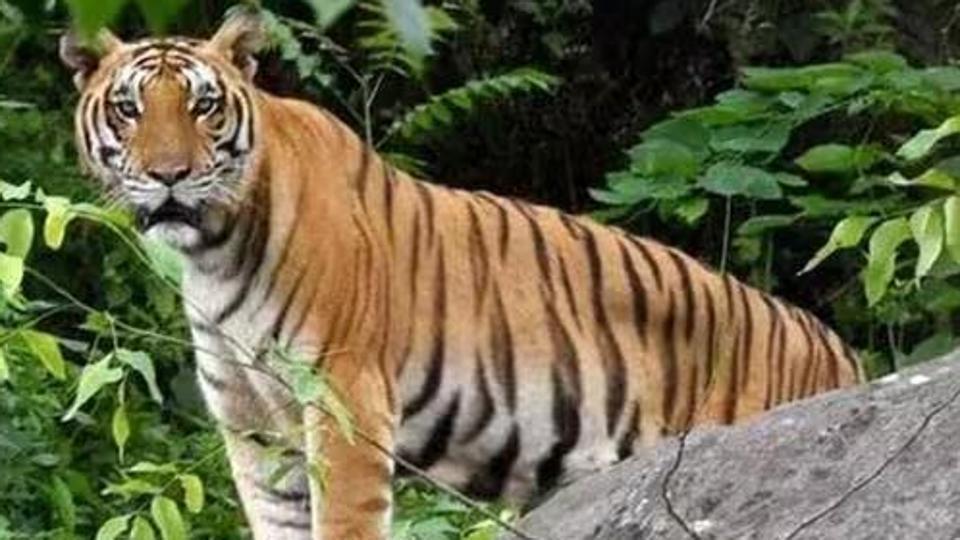
According to the tiger census report released on July 29, there are 260 tigers inside CTR and 229 outside Corbett, Deepchand Arya, conservator of forests (CF), western circle, Kumaon, said
“There are more tigers outside Corbett, than (in) some of the major tiger reserves in the country like Bandhavgarh (135) and Kanha (105). In the western forest circle (WFC), 216 tigers have been found, while in Champawat, 11 tigers have been found. One tiger each has been found in Nainital and Almora”, he said
“With so many tigers outside protected areas, there are chances of a surge in man-tiger conflict in Kumaon. So, we have decided to form a detailed proposal for the protection of these tigers outside Corbett and how to check their coming into conflict with the villagers. We also have to ensure these tigers don’t become victims of poaching,” he said
Diganth Nayak, divisional forest officer (DFO) Ramnagar forest division (which has 67 tigers), said with so many tigers found outside Corbett, they will focus on putting in measures to check man-tiger conflict.
“Our emphasis will be on community connect, involving locals in protecting tigers and checking incidents of conflict. Villagers will be made aware, patrolling will be strengthened and technology will be used to keep a tab on the movement of tigers,” Nayak said.
Prakash Chandra Arya, DFO Terai West (which has 52 tigers )said with so many tigers moving outside Corbett, they will focus on ensuring tigers don’t venture out much from the forest areas.
“To strengthen prey base in forests, we will focus on developing and improving grasslands, develop more water holes and increase surveillance through cameras traps”
Also Read: Another tiger dies in Maharashtra, 29 reported deaths since January this year
According to the tiger census report, CTR has “one of the highest density tiger population in the world which is a source of tigers in the larger landscape. This has led to negative interaction of tigers with humans in and around the tiger reserve. To gain insights in how a territorial large mammal operates at such high density and provide an early warning system to alert nearby villages of tiger movement, radio collaring of tigers should be carried out in the tiger reserve”.
After the tiger census report was released chief minister Pushkar Singh Dhami also shared his concerns.
Dhami said, “It is a matter of happiness that tiger numbers have increased, especially Corbett Tiger Reserve which has reported the highest tiger numbers. But with the increase in tiger numbers, tiger poachers have also started becoming active. We are dedicated to checking such activities with strict monitoring and surveillance.”
“With the surge in tiger numbers, we also have to look into how we can check tiger-man conflict. Besides Corbett and Rajaji Tiger Reserve, tigers are found in other areas here. We will request the Centre to help the state in taking strong protection measures in these areas also,” he had said.
Recent tiger poaching activities in the state have put authorities on the alert as well.
Ar least seven people were arrested by a joint team of police, forest department and the Wildlife Crime Control Bureau in a tiger-poaching case, which led to the serizure of 15 kg tiger bones and an 11-feet long tiger skin were recovered (the longest ever found in the state.)
The Shivalik-Bhabar tracts of the state are home to several tigers and has habitats that have the potential to hold more tigers including in areas like Almora, Nainital, and Champawat forest divisions, the Wildlife Institute of India (WII) has said
In the recently-released tiger census report, WII experts emphasised safeguarding this tiger population, which is currently one of the densest in the world because of the comparatively well-connected forest tracts.
In view of the increase in tiger number, WII has suggested radio-collaring tigers and elephants and proposed developing an early warning system, which can help alleviate the ever-surging tiger-man conflict in the state.
The WII has also suggested that Terai West which is connected to CTR and Terai East -- also connected to the Pilibhit Tiger Reserve -- should be declared as a tiger reserve.
The state of Uttarakhand has reported the third highest tiger population in the country with 560 tigers, while the CTR has reported the highest tiger population with 260 tigers among the country’s 53 tiger reserves.
In the latest report, the tiger population in Uttarakhand has risen from 178 in 2006, 227 in 2010, 340 in 2014, 442 in 2018 and 560 in 2022.