E-Paper



Contingency plan to shift people if Delhi faces floods during G20
If the Yamuna’s water level were to rise during the Summit, officials said they have earmarked schools and community halls that will be used as temporary camps.

 Prefer HTon Google


District officials across Delhi have prepared a contingency plan to move people living along the floodplains of the Yamuna if rain in the upper catchment areas of the river leads to a rise in its water level at the Capital in the second week of September, when the city plays host to the G20 Summit.
“We have identified five to six pucca structures in every district where the people will be shifted in case of any contingency. There is no flood warning yet but we are keeping these ready… This way people can be kept away from the streets and will also be better taken care of during adverse weather,” said Anil Banka, district magistrate (East), who is the nodal officer for the evacuation and rescue operations in the city.
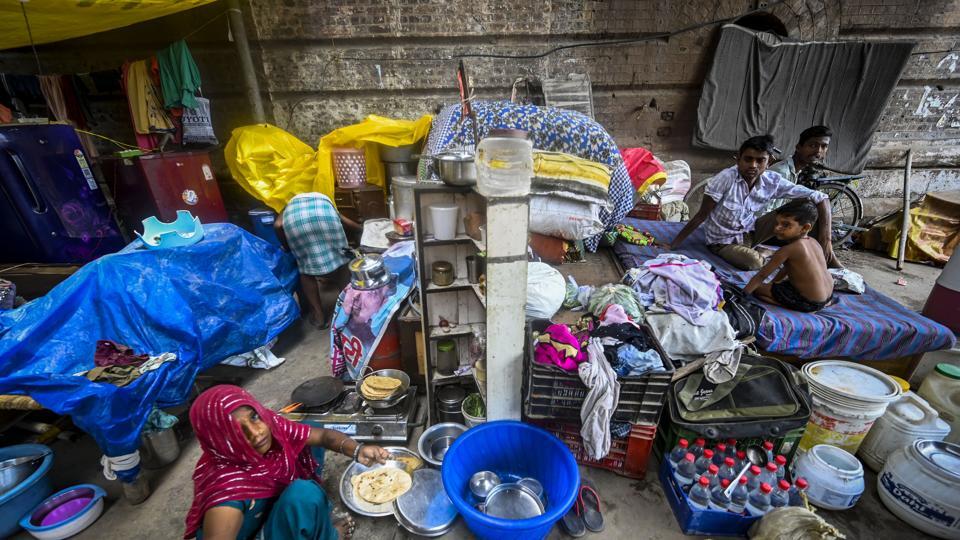
Earlier, in July, heavy rain in Himachal Pradesh and Uttarakhand led to larger-than-normal discharge of water, leading to the Yamuna in Delhi going past the danger mark of 205.33m on July 10, remaining above this level for 15 days. The river crossed the evacuation point of 206m on July 11 to reach a peak of 208.66m on July 13, leading to widespread flooding in Delhi and the displacement of around 28,000 people, for which temporary evacuation camps were set up along roads across seven districts of Delhi.
Over the last couple of weeks, these camps have been removed, and most of the affected people have moved back into their homes. However, if the water level were to rise during the G20 Summit, officials said they have earmarked schools, community halls, and some other areas that will be used as temporary camps.
“We have made basic food and other arrangements. We have also informed NGOs and other groups that additional help may be required in terms of evacuation, transportation, food and medical essentials if the weather turns bad,” said another district administration official, wishing to remain anonymous.
Meanwhile, flood-affected residents who were living in relief camps said they have been asked to move off the streets, even if their houses are still surrounded by water.
“Most flooded areas have dried but some of us still have homes where there is standing water and slush. We can’t live there yet. We are still living in these temporary tents, but the officers told us to shift inside the village and stay away from the main roads. All camps have been removed from the roads now,” said Dev, a farmer who goes by his first nameand lives on the floodplains of Chilla Khadar village near Mayur Vihar.