E-Paper



Delhi govt starts issuing penalties for violating plastic-ban rule
While the ban came into force on July 1, the Delhi government had said that for the first 10 days, only warning notices will be issued to violators.

 Prefer HTon Google


The Delhi government on Monday began penalising violators found using, selling, manufacturing or stocking 19 single-use plastic (SUP) items that were banned in the national capital from July 1. Teams of the Delhi Pollution Control Committee (DPCC) and urban local bodies (ULBs) issued a total of 119 fines on Monday, amounting to ₹1.23 crore, besides shutting factories and market units that were caught violating norms.
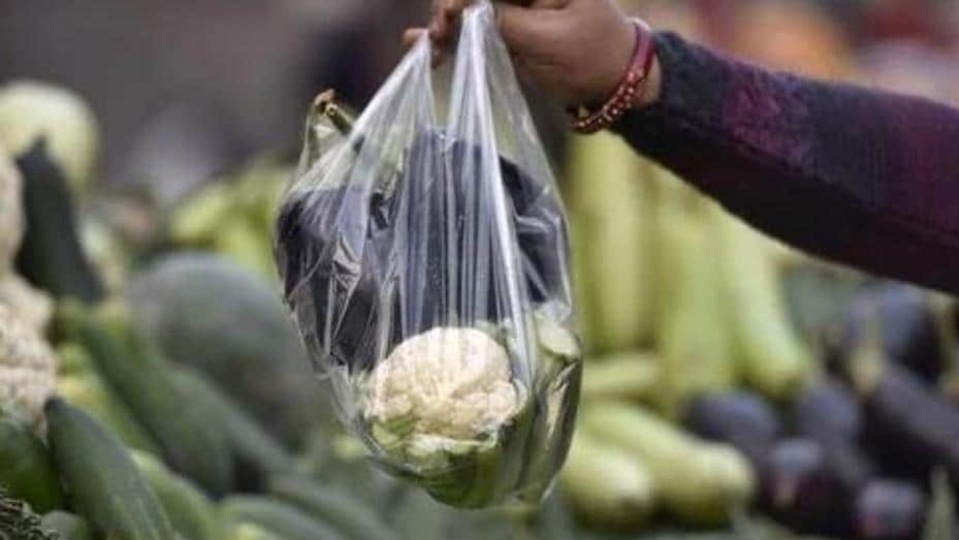
While the ban came into force on July 1, the Delhi government had said that for the first 10 days, only warning notices will be issued to violators. Monday was the first day when penalties were imposed, officials said. The DPCC said inspection drives will continue in the coming days.
“The DPCC teams inspected 96 units, Among them, 59 units were fined and closed, and the total fine amount was ₹1.23 crore. Discom TPDDL has been directed to disconnect electricity supply to these units,” said a DPCC official.
The official further said that penal action in the initial days will focus on shops, commercial establishments and manufacturing units, and not individuals.
ULBs on Monday inspected 529 units across Delhi markets, of which 330 were found violating the ban and 60 were fined. Teams from the revenue department inspected 104 units, but no violators were found. “A total fine amount of ₹30,000 was collected by ULBs and around 16,359 kilos of banned SUP items were collected on Monday,” the DPCC official quoted above said.
As per the Plastic Waste Management Rules, 2021, issued on August 12, 2021, while these 19 items were to be banned from July 1, 2022, plastic bags less than 76 microns in thickness were to be banned from September 30, 2021. Plastic bags will need to be at least 120 microns in thickness from December 31, 2022, the rules state.
Keshav Kumar, a street vendor at the Paharganj market, said fines should only be issued if an alternative is easily available and is economically viable for small-time vendors like him. “I have replaced all my cutlery with paper and wooden items, but there are plenty of sellers in the markets who have items that are made of plastic as they are cheaper. Until the government provides cheaper alternatives or financial assistance, the shift to biodegradable items will be difficult,” he said.
Rajendra Sharda, from the GK-1 M Block market association, said while it is easy to phase out items such as plastic cutlery, other items such as ear buds or even plastic candy sticks, would take more time.