
 E-Paper



Delhi’s air pollution climbs, back in ‘severe’ zone
On Sunday, Delhi’s 24-hour average air quality index (AQI) was 404, considered to be in the ‘severe’ zone, in a deterioration from 362 (very poor) the previous day.

 Prefer HTon Google


The Capital recorded its first ‘severe’ air day of the year on Sunday, worsening to that zone for the first time since December 26, showed data from the Central Pollution Control Board (CPCB).
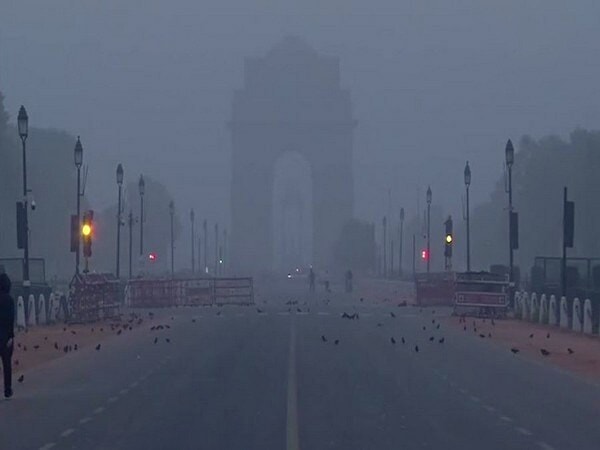
On Sunday, Delhi’s 24-hour average air quality index (AQI) was 404, considered to be in the ‘severe’ zone, in a deterioration from 362 (very poor) the previous day.
The city’s AQI was last ‘severe’ on December 26, when the Capital’s pollution gauges hit 459.
Scientists at the India Meteorological Department (IMD) said that Sunday’s AQI spike was due to accumulated pollutants over the last two days, caused by combination of low temperatures and cracker bursting on New Year’s Eve and January 1.
Forecasts by Safar, the air quality monitoring body under the Union ministry of earth sciences, predicted further deterioration in air quality till Tuesday, owing to firecracker emissions and cold wave conditions.
“Cold wave and emissions from crackers will continue to impact Delhi’s air till Tuesday, after which there will be a slight improvement. The major cause of this dip in air quality is low temperature,” Safar’s air quality forecast read on Sunday.
Met officials said temperatures in Delhi are expected to rise from Monday, which will eventually bring the city some respite from the high pollution levels.
There is also a forecast of a fresh western disturbance impacting Delhi and the neighbouring states from January 5, which will also result in light rain and improved wind speed in the region, facilitating dispersion of pollutants.
“Wind speeds will start improving from Tuesday and the accumulation of pollutants will clear off slightly. On Monday, the AQI will slip back to the very poor zone,” said a senior IMD scientist.
Meanwhile, temperatures in the city are likely to increase in the coming days, IMD said.
On Sunday, the minimum temperature at the Safdarjung weather station, which is considered the base station for Delhi, was 5 degrees Celsius, two below what is considered normal for this time of the year.
Meanwhile, the maximum temperature was 20.4°C, a notch above normal.
“From Monday, temperatures will start increasing and from January 5 to January 8, minimum temperatures could touch 10°C,” the Met forecast said.


