
 E-Paper



Delhi's new plan to combat dust, road pollution: Scanners on GPS bikes
Road RADAR, a new pollution monitoring program in Delhi, will deploy 13 surveyors to pinpoint dust pollution sources on the city's 18,000km road network.

 Prefer HTon Google


The government on Friday launched Road RADAR, a real-time road pollution monitoring programme under which 13 surveyors equipped with GPS-enabled bikes will identify dust and other local pollution hot spots across the city’s 18,000km of road space.
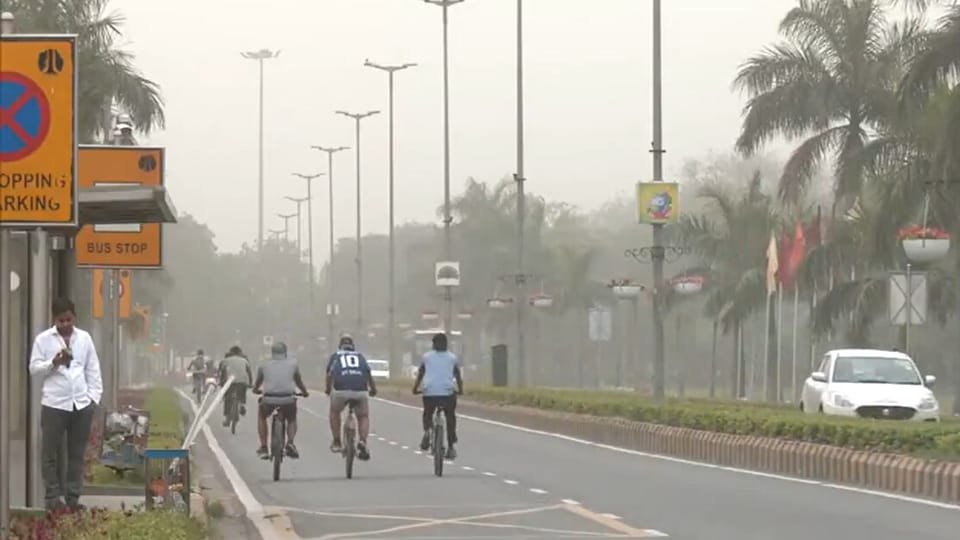
The programme, launched by the Delhi Pollution Control Committee (DPCC), will deploy one ground surveyor in each of Delhi’s 13 districts to identify dust pollution hot spots on a real-time basis. Officials said each source of dust pollution flagged by surveyors will be reported internally for corrective action.
A total of 11 key issues will be tracked under the programme, including unpaved roads, broken footpaths, damaged dividers and potholes; sand or loose material piled on roadsides; unsurfaced and unregulated parking lots; overflowing garbage collection points and roadside garbage; biomass and garbage burning; plastic burning; construction and demolition waste dumped along roadsides; barren stretches requiring greening; greening needs on central verges; and dust from construction sites, officials said.
“As part of the programme, dedicated ground-level field surveyors have been deployed in each district and will function under supervisory oversight every working day to survey roads across Delhi and identify pollution hotspots in real time,” said a government official.
The official added that any source of dust pollution identified during the surveys will be flagged to the respective road-owning agency, with follow-ups to ensure the issue is rectified.
Delhi environment minister Manjinder Singh Sirsa said the fight against pollution needed to be won “lane by lane” in the city.
“Through Road RADAR, the government is introducing a scientific system of daily surveillance, real-time reporting and direct departmental accountability so that pollution sources are not ignored, repeated or allowed to linger,” he said.
Sirsa added that under the leadership of chief minister Rekha Gupta, the government is moving ahead with a broader strategy to improve Delhi’s air quality through scientific interventions.
“This programme is an important pillar in that broader strategy,” he added. Officials said the programme will cover roads under the jurisdiction of the Municipal Corporation of Delhi, New Delhi Municipal Council, Public Works Department and Delhi Cantonment Board.
“The entire road network of Delhi will be comprehensively covered every month, with each surveyor assigned a minimum of 20km of roads daily to ensure continuous and real-time tracking of pollution sources,” the official said.
Officials added that surveyors will use the MCD-311 mobile app to upload at least 70 geo-tagged field surveys every day. “This creates a collective daily target of around 1,000 identified issues, generating a steady and actionable stream of field intelligence for enforcement and remediation agencies,” the official said.
Meanwhile, experts welcomed the move, but said it would only be a success if there is transparency on the information collected.
“This is a significant step towards tackling local dispersed emission sources through a systematic mechanism. However, a key to the programme’s success will be ensuring that all issue-tagging and ‘action taken’ reports are available in the public domain,” said Sunil Dahiya, founder and lead analyst at the think-tank Envirocatalysts.


Stay updated with all top Cities including, Bengaluru, Delhi, Mumbai and more across India. Stay informed on the latest happenings in World News along with Delhi Election 2025 and Delhi Election Result 2025 Live, New Delhi Election Result Live, Kalkaji Election Result Live at Hindustan Times.


