
 E-Paper



Covid-19 detection: Third round of serological survey likely this month
Across the state, the survey will be done among 36,520 participants. According to Yadav, it will be done next week and will continue for two to three days


The third round of the Covid-19 serological survey that was scheduled to be held in June is likely to be conducted in the last week of August, covering about 3,000 people in the district. According to officials, the estimated sample size for every district has been decided by the state health department, based on which a micro plan has to be submitted on Tuesday.
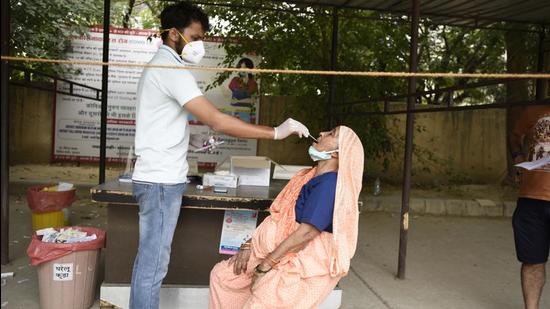
“As directed by the state, the survey will be held in 75 clusters. It includes 45 in rural and 30 in urban areas. Details on the age-wise coverage of the population and the final dates for the survey are yet to be shared by the state health department. But a training session for health workers will be held this week. Blood samples will be collected to check for IgG antibodies. It will provide information on the proportion of the population having antibodies to fight Covid-19 even if they did not have symptoms or receive a diagnosis of Covid-19,” said Dr Virender Yadav, chief medical officer of Gurugram.
Generally, a serological survey is done to detect the body’s immune response to coronavirus infection.
Across the state, the survey will be done among 36,520 participants. According to Yadav, it will be done next week and will continue for two to three days. The highest number of samples will be collected from Gurugram, while only 800 samples will be taken from Palwal, which has the lowest case count in the state.
As per the plan in June, over 3,520 children of six to 17 years were to be covered in Gurugram, while the total sample size was 8,800. Of this, 5,280 were to be adults, 2,640 children of 10-17 years and 880 children of six to nine years.
Haryana conducted two rounds of serological surveys in 2020. During the first round of the survey in Gurugram, the seropositivity rate of the urban areas was 18.5%, while in the second round, it increased to 25.9%. Likewise, in rural areas, it increased from 5.7% in the first round to 10.1% in the second round. In both surveys, over 800 people were tested for the antibodies.
Stay updated with all the Breaking News and Latest News from Mumbai. Click here for comprehensive coverage of top Cities including Bengaluru, Delhi, Hyderabad, and more across India along with Stay informed on the latest happenings in World News.


