
 E-Paper



Gurugram: Fear in every glass of water, Chayansa no longer sleeps easy.
All serious cases showed acute liver failure, followed by rapid multi-organ collapse. That shared clinical pattern raised alarms, but not answers

 Prefer HTon Google


Gurugram: Reaching Chayansa in Palwal requires leaving behind the familiar markers of urban confidence — glass towers, wide expressways, the illusion of certainty. About 57km from Gurugram, the road narrows, fields stretch out, and the village appears quietly, almost hesitantly. It is home to roughly 11,000 people, a place where everyone once knew everyone else’s routines. Today, what binds the village is not familiarity, but fear.
The first thing that strikes you is the water. Outside tiny grocery shops, cartons of packaged drinking water are stacked shoulder-high. It is an unnatural sight for a farming village. Residents buy bottle after bottle, not because they trust it completely, but because they trust everything else even less.
By evening, the village changes tone. Doors close early. Children are called indoors before sunset. Conversations lower to murmurs. Every cough draws attention. Every fever is watched closely, as if it carries a hidden countdown.
Talking to families who have lost someone here is not just difficult, it feels intrusive, almost cruel. There are questions you must ask, but you hesitate before asking them. What were the symptoms? How quickly did it worsen? Was there any hospital visit, any injection, any cut? Each question forces people to relive their last hours with someone they loved.
One father told me his son complained of fever in the morning and died within two days. Another family spoke of jaundice that seemed manageable — until it wasn’t. The speed is what haunts everyone. There was no long illness, no gradual decline. Just a sudden collapse, a frantic rush between hospitals, and then silence.
Officially, seven deaths have been linked to liver-related complications. Several more are under medical review. Health authorities say some cases tested positive for Hepatitis B and C — diseases usually transmitted through blood or bodily fluids. But here, families cannot trace a path. There were no surgeries, no transfusions, no known drug use. Parents struggle with a question no one should have to ask: How does a healthy teenager die of a blood-borne infection?
Doctors admit the uncertainty. All serious cases showed acute liver failure, followed by rapid multi-organ collapse. That shared clinical pattern raised alarms, but not answers. Hepatitis B and C alone, officials quietly concede, do not usually kill this fast.
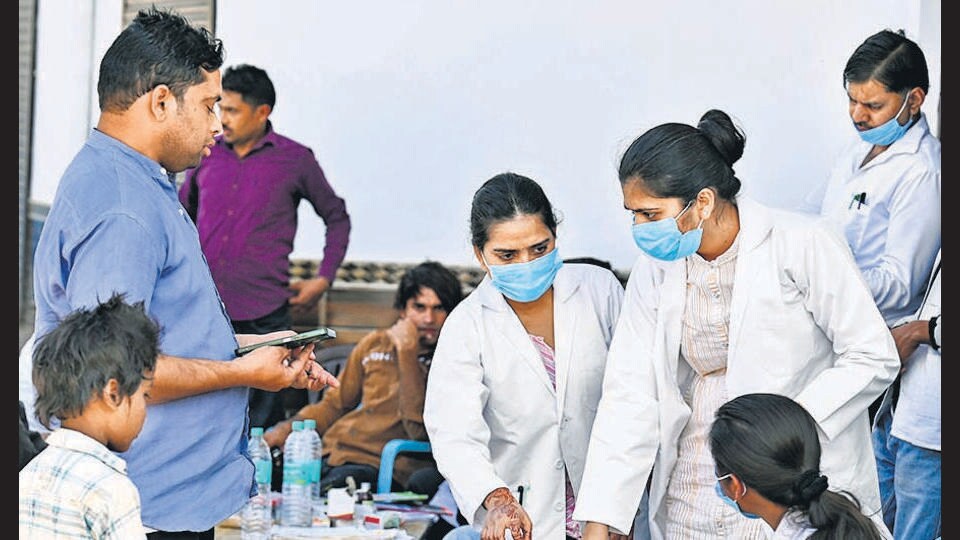
Behind the scenes, the state’s response has been intense. Central expert teams have moved from house to house, sitting on floors with grieving families, repeating the same careful interviews. Medical camps operate daily. Blood samples are taken. Chlorine tablets are distributed. Loudspeakers urge hygiene and caution.
On paper, everything is being done. On the ground, fear moves faster.
Barber shops are empty. People hesitate before accepting injections. Mothers boil water twice, then boil it again. Even the absence of new deaths after February 11 has created its own unease. Relief, yes — but also confusion. Why did it begin? Why did it stop? And could it return?
Water remains the silent suspect. Most households depend on tanker supplies, RO water, or underground storage tanks. Experts have ordered chemical and heavy metal tests. Until results arrive, uncertainty fills every gap.
Chayansa is not just fighting a disease. It is living with unanswered questions. Until science explains what sorrow has already taken, sleep will remain light, trust will remain fragile, and every glass of water will be lifted carefully — with hope, fear, and a quiet prayer that tomorrow does not bring another door draped in mourning.
(Leena Dhankhar heads the Gurugram bureau, and has extensively covered civic issues, environment, Wildlife, Forest, crime, real estate and politics)


Stay updated with all the Breaking News and Latest News from Mumbai. Click here for comprehensive coverage of top Cities including Bengaluru, Delhi, Hyderabad, and more across India along with Stay informed on the latest happenings in World News.


