
 E-Paper



Haryana govt launches “solution camps” for municipal grievances
Officials said that the camps are expected to cover services like water supply, sanitation, street lighting, road repairs, garbage collection

 Prefer HTon Google


The Haryana government has announced the launch of daily “Solution Camps” across all municipal bodies, starting October 22, to address public grievances more effectively, said officials. The camps will operate from 9am to 11am, with officials available to meet the public and resolve civic issues directly. This initiative is expected to streamline governance by providing a structured time for citizens to discuss concerns regarding municipal services, officials added.
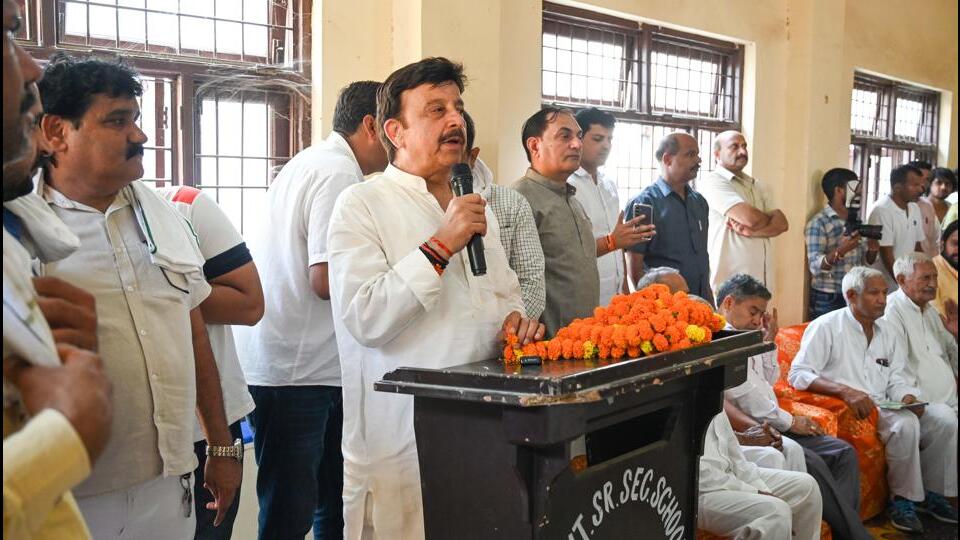
While speaking about the initiative at the Old MCG office on Monday, Haryana cabinet minister Rao Narbir Singh said that the primary objective of these camps is to bring governance closer to residents. “Citizens face many issues, especially in urban areas, and there has often been a delay in addressing these concerns. With this initiative, we aim to ensure that officials are available at a set time each day to listen to grievances and resolve them quickly. This will strengthen our commitment to responsive governance and improve service delivery,” Singh added.
According to officials, the camps are expected to cover a wide range of services, including water supply, sanitation, street lighting, road repairs, garbage collection, and other critical municipal functions. Officials believe direct interaction with the public will lead to quicker resolution of issues and greater accountability in municipal governance.
Meanwhile, the commissioner of the Municipal Corporation of Gurugram (MCG), Narhari Singh Bangar, remarked that this initiative aims to serve as a platform for raising residents’ concerns. “Often, citizens struggle to find the right platform or time to raise their concerns. With these camps, we are providing them with a fixed window every day to bring their problems directly to the attention of the officials responsible for resolving them. We are committed to ensuring that grievances are addressed promptly, and this initiative will help bridge the communication gap between the administration and the public,” Bangar said.
If issues cannot be resolved immediately during the solution camps, there is a mechanism in place for escalation. According to officials, more complex or unresolved grievances will be forwarded to higher authorities or relevant departments for further investigation and resolution. In cases where additional time or resources are needed, the officials will document the complaint and ensure that the matter is tracked until a solution is found. These unresolved issues will also be monitored by senior officials to ensure timely follow-up.
Banger added that these regular interactions would allow officials to identify and address persistent issues and work on long-term solutions. Senior officials, including Joint Commissioners, will be present at their respective zones to address complaints on matters such as streetlights, sewage, property tax, roads, and waste management.
Locations for these solution camps include the Old MCG Office near Civil Hospital, the MCG Office in Sector 42, and the community centre in Badshahpur. The MCG commissioner urged citizens to attend the camps in large numbers and leverage this opportunity to resolve their complaints. “As we approach the festive season, cleanliness is a top priority, and our teams are working daily to ensure the roads, streets, green belts, and public spaces remain clean,” said Bangar.
According to officials, the Haryana government has allocated additional resources and manpower to manage the expected increase in grievances during the camps. Senior officials, including joint commissioners, will be present in each zone to oversee the process. Furthermore, dedicated teams have been set up to handle various civic issues. These teams will be available during the designated hours to ensure that grievances are addressed efficiently, and the required resources are deployed as needed.


