
 E-Paper


SKM to hold protests on Nov 26 at dist headquarters & Delhi against anti-farmer policies
SKM central leaders P Krishna Prasad and Ashish Mittal alleged that a thriving black market for fertilisers and an increasing economic burden are pushing farmers to the brink.

 Prefer HTon Google


The Sanyukt Kisan Morcha (SKM), Uttar Pradesh, has announced a series of protests at the district level and in Delhi on November 26 to demonstrate against the anti-farmer policies of the central and state governments. The decision was formalised during a state council meeting held in Lucknow on Wednesday.
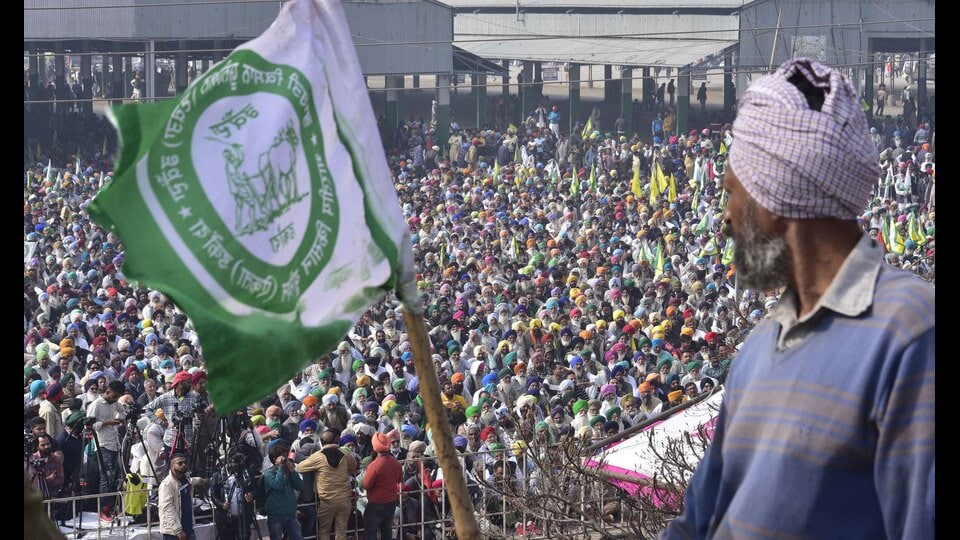
SKM central leaders P Krishna Prasad and Ashish Mittal, while briefing the press, stated that the protests would target the policies of both the Uttar Pradesh “double-engine” government and the RSS-BJP government at the Centre. Additionally, farmers from National Capital Region (NCR) districts will lead demonstrations in the national capital.
The SKM leaders alleged that a thriving black market for fertilisers and an increasing economic burden are pushing farmers to the brink. They claimed that the state government’s obstruction of uninterrupted fertiliser supplies, exacerbated by strict requirements for land documentation to obtain stock, has triggered a severe crisis. Urea, they noted, is being sold in the black market for ₹400 despite a fixed price of ₹270, while DAP fertilisers are selling for ₹1,800 instead of the mandated ₹1,400. With the sowing season currently underway, the demand for DAP remains critical.
“This burden falls most heavily on poor farmers, sharecroppers, and tenant farmers. Wheat and potato cultivators, in particular, are facing a severe economic crisis due to these inflated costs,” the farmers’ leaders said.
The union also criticised the government’s procurement strategy. While paddy production in Uttar Pradesh is estimated at approximately 21 million tonnes (210 lakh tonnes), the government has capped its procurement target at only 6.5 million tonnes (65 lakh tonnes). According to the SKM, registration hurdles and other administrative barriers have further hindered government procurement.
This policy vacuum, they alleged, empowers middlemen and forces small farmers to sell their produce at roughly ₹1,500 per quintal which is significantly lower than the government-declared Minimum Support Price (MSP) of ₹2,441 per quintal. The organisation estimates this gap results in a loss of approximately ₹30,000 per acre for farmers.
The SKM is demanding that paddy be procured from all cultivators including sharecroppers and tenant farmers, at all procurement centres without restrictive conditions. Furthermore, the organisation reiterated its long-standing demands for a sugarcane price of ₹600 per quintal and a complete waiver of all debts owed by farmers and agricultural labourers.


