E-Paper



UP govt shifts gears towards carpooling, public transport
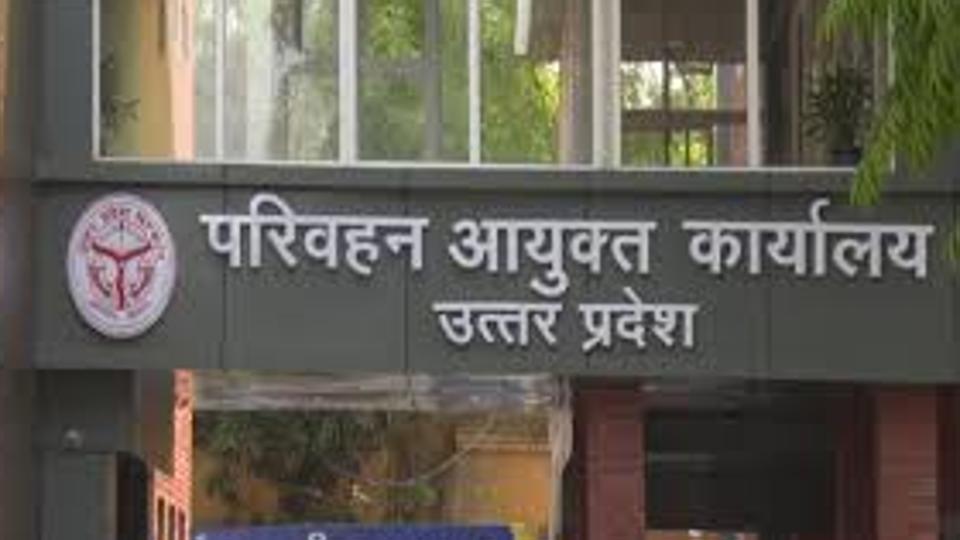
As part of the initiative, the transport department has asked the labour and industry departments to provide details of commercial establishments employing more than 500 people so that they can be encouraged to arrange public transport facilities and introduce carpooling mechanisms for their workforce.

 Prefer HTon Google


Amid growing emphasis on fuel conservation, the Uttar Pradesh government has directed departments to promote carpooling, reduce avoidable vehicle use and encourage public transport in workplaces employing large numbers of people.
The move aligns with Prime Minister Narendra Modi’s appeal for austerity and optimal use of resources.
As part of the initiative, the transport department has asked the labour and industry departments to provide details of commercial establishments employing more than 500 people so that they can be encouraged to arrange public transport facilities and introduce carpooling mechanisms for their workforce.
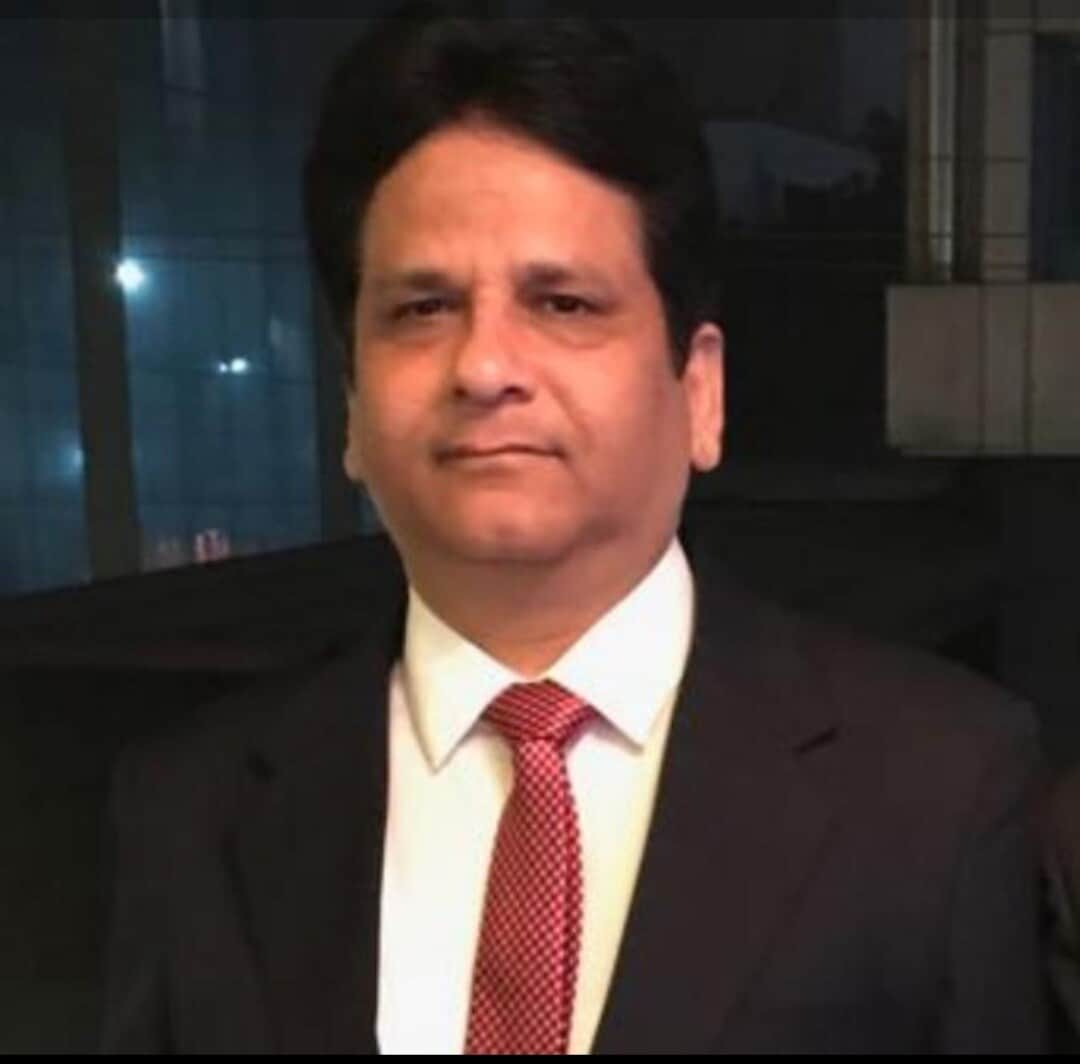
Transport commissioner Ashutosh Niranjan said instructions had also been issued to department officials regarding austerity measures and the same were communicated through the video conferencing as well on Friday.
“Instructions have been issued to officials within the transport department to promote efficient use of resources and avoid unnecessary expenditure,” he said.
At the departmental level, officials have been asked to adopt carpooling practices wherever feasible, particularly among employees residing in the same locality or travelling on common routes. Officials have also been directed to increasingly use public transport where practical.
The department has also identified areas where operational expenditure can be reduced, including avoiding unnecessary vehicle movement and reducing wastage.
Niranjan said efforts would be made to discourage avoidable use of official vehicles, such as instances where vehicles stationed at headquarters are sent to pick up officers from their residences.
Officials underlined the need for making the efforts to minimise wastage in every form whether fuel, vehicle movement or other resources. “Small measures taken collectively can make a meaningful difference,” an official said.
The initiative also seeks to strengthen the use of digital platforms in administration. According to the transport commissioner, physical meetings have already become limited and emphasis will now be laid on holding meetings online as far as possible.
“Physical meetings are already not much in practice and, as far as possible, meetings should continue in online mode,” Niranjan said.
Once the labour commissioner’s office and the directorate of industries furnish the required lists of large establishments, the transport department plans to engage with them regarding transportation arrangements for employees.
Niranjan said such organisations would be urged to introduce dedicated transport facilities and promote carpooling among employees, with the transport department extending assistance wherever required.
“After we receive the data, such establishments will be encouraged to arrange transport systems for their personnel and promote carpooling. The transport department will provide support wherever needed,” he said.
Officials said the initiative was expected not only to reduce fuel consumption but also help ease traffic congestion, lower emissions and promote more efficient commuting practices across the state.