E-Paper



UPERC nod to pilot project for peer-to-peer renewable energy trading
It will enable electricity consumers, solar prosumers across states to buy and sell electricity directly among themselves

 Prefer HTon Google


In a move seen as a significant step towards democratising the power market in India, the Uttar Pradesh Electricity Regulatory Commission (UPERC) has issued an order clearing the decks for a pilot interstate peer-to-peer (P2P) renewable energy trading under the Energy Stack framework.
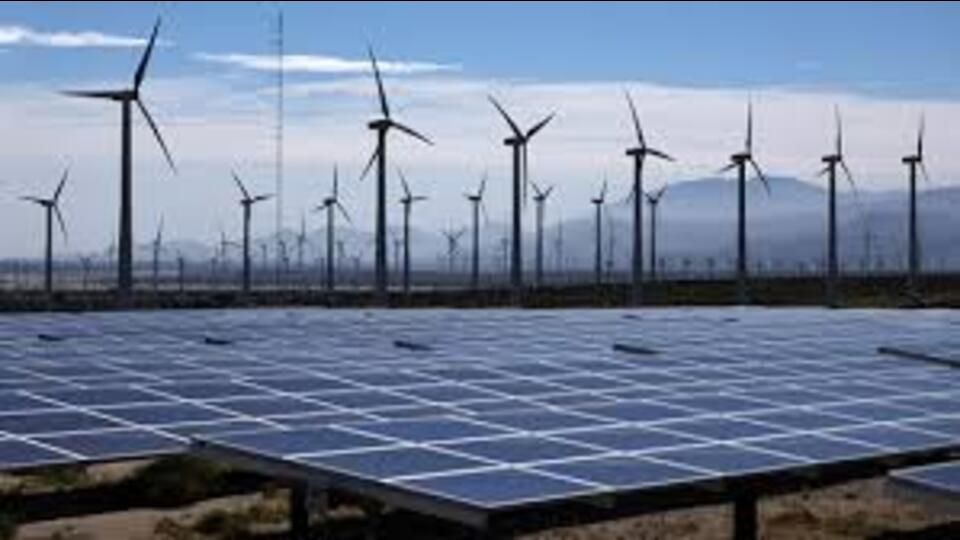
The commission’s approval comes on a petition filed by Paschimanchal Vidyut Vitran Nigam Limited (PVVNL), one of the power distribution licensees in Uttar Pradesh, requesting UPERC’s support in implementing a pilot project that would enable electricity consumers and rooftop solar prosumers to buy and sell electricity directly among themselves, including across state boundaries. A household, shop or institution with rooftop solar that uses some power and sells the excess becomes a prosumer.
The initiative is a part of the broader India Energy Stack (IES), a digital public infrastructure initiative launched by the ministry of power to modernise the electricity sector and build trust-based, scalable solutions using digital platforms.
“The commission on February 16 issued orders approving the pilot project seeking interstate peer-to-peer renewable trading between consumers prosumers,” a senior UPERC official said. Under the P2P pilot framework, participating consumers with smart meters and prosumers with rooftop solar installations and net meters will be able to trade surplus renewable energy.
“Transactions are expected to be reflected directly in monthly electricity bills, offering buyers more choice and potentially lower power costs, while enabling prosumers to earn additional income from excess generation,” the official said.
The pilot project is expected to initially involve stakeholders from Delhi distribution utilities — including Tata Power Delhi Distribution Limited (TPDDL) and BSES Rajdhani Power Limited (BRPL) and PVVNL, facilitating interstate energy trading between Delhi and western Uttar Pradesh.
UPERC’s order emphasises the need for “issuance of directions and exercise of removal of difficulty powers” to ensure a smooth operationalisation of the pilot, especially on regulatory matters that were not previously addressed under existing intra-state P2P guidelines.
“The project is expected to encourage rooftop solar adoption, improve grid efficiency, and empower consumers with greater control over electricity procurement,” the official said. The UPERC, in April 2023, issued guidelines for rollout of the innovative system that makes peer-to-peer rooftop solar energy transactions through blockchain-based platforms possible.
Under the system, consumers can sell their surplus rooftop power directly to any other person on mutually agreed upon price with the discom concerned to get certain charges for wheeling the power between two sources.
A P2P platform, according to UPERC’s guidelines, means blockchain based electronic platform provided by the service provider on which P2P prosumer can sell their solar energy to P2P consumers at a price mutually agreed by them on P2P platform.