
 E-Paper



NCMC glitches expose gaps in MSRTC’s digital ticketing system
Technical glitches in NCMC have left MSRTC passengers and bus conductors struggling with failed transactions, rejected cards and delays in ticket issuance

 Prefer HTon Google


PUNE: Technical glitches in the National Common Mobility Card (NCMC) system – introduced by the Maharashtra State Road Transport Corporation (MSRTC) to make ticketing faster and more convenient – have left passengers and bus conductors struggling with failed transactions, rejected cards and delays in ticket issuance. Conductors are increasingly facing the ire of passengers when cards are not recognised by ticketing machines, QR code messages fail to scan, or money is deducted from passengers’ accounts without tickets being generated. With conductors having little control over the technical system, the responsibility for resolving these issues has become a growing concern during daily state transport (ST) bus operations.
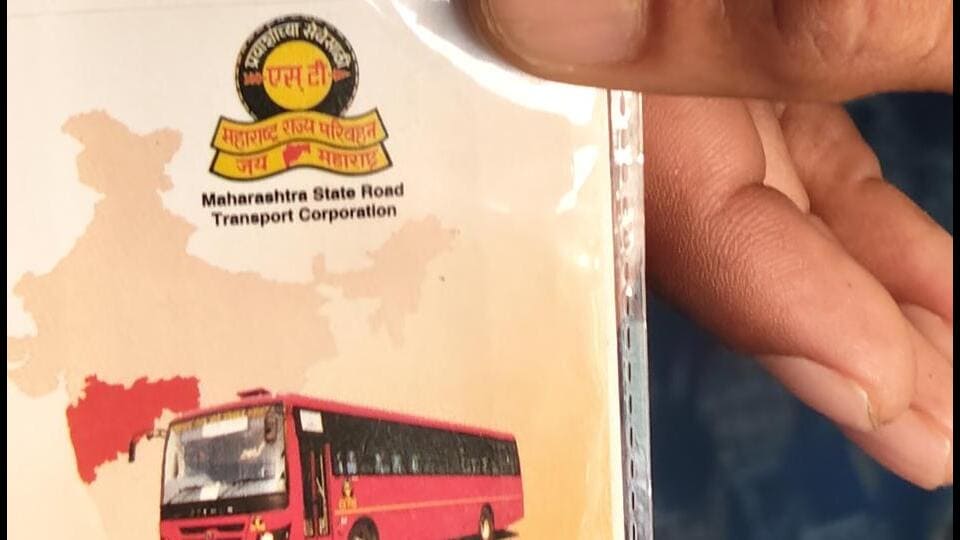
Passengers have reported several problems with the system, including cards being rejected despite having sufficient balance, QR codes failing to scan, money being deducted without tickets being issued, recharged amounts not appearing on cards despite confirmation messages, and transactions being held up due to poor network connectivity or unavailability of the central computer system. These problems increase ticketing time, particularly during peak hours; and lead to arguments between passengers and conductors with the latter often expected to explain or resolve issues that are beyond their control.
A senior citizen Madhuram Pangare travelling on an ST bus, said, “We depend on the concessions provided by the government, and we expect the card to work when we board the bus. Why do we have to argue with conductors or worry about whether we will get our tickets if money is available but the machine does not accept the card.”
Lalita Mystry said, “The card was introduced to make travel convenient but when the transaction fails, passengers are left confused about what to do next. There should be a clear alternative if the machine does not work so that passengers and conductors do not have to face unnecessary arguments.”
Conductors have also expressed concern that troubleshooting software failures, server problems and connectivity issues should primarily be the responsibility of the technical department and service provider. However, they are required to manage the immediate consequences on buses, including checking transactions, arranging alternative ticketing wherever possible, and explaining the situation to frustrated passengers. The additional work slows down ticket distribution and affects the overall functioning of bus services, particularly on crowded routes.
MSRTC Pune divisional controller Arun Siya said that the corporation is aware of the difficulties and has taken up the matter with the concerned authorities and the company responsible for the system. “We have informed the head office about the problems faced by passengers and have also brought them to the attention of the concerned company. The NCMC card facility has been introduced recently, and we expect the technical difficulties to be resolved over the next few days,” he said.
The NCMC rollout is part of the MSRTC’s wider efforts to digitise concessional ticketing, improve transparency and curb misuse of government travel benefits. The card was initially scheduled to become mandatory for women and eligible senior citizens seeking concessional fares from August 1, 2026. The deadline was subsequently extended to September 1 because many eligible passengers had not received their cards. The mandatory requirement was brought into effect on September 1, but the corporation later extended the deadline to September 30 amid technical difficulties.


