
 E-Paper



Rajiv Chowk 20th metro station to be shut; 15th time stations are shut in 4 months
Be it the Jawaharlal Nehru University (JNU) students demanding a rollback of hostel fee hike, or the Delhi University teachers demanding regularisation of ad-hoc staff, or the ongoing protests against CAA, each time protesters have hit the streets, the Delhi Metro has been told to shut stations.


The Delhi Metro shut the entry and exit gates at 20 stations across the city on Thursday on the instructions of the Delhi Police as protests against the Citizenship (Amendement) Act, or CAA, in parts of central and Old Delhi.
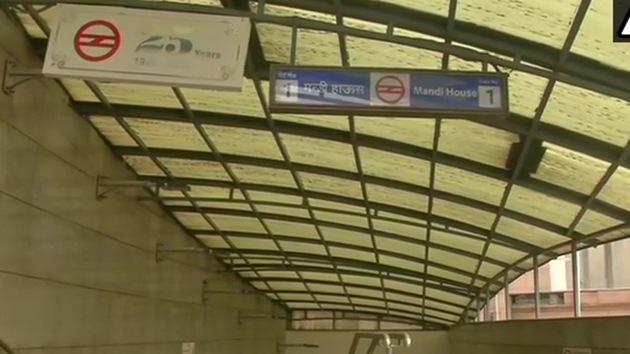
According to Delhi Metro Rail Corporation (DMRC) officials the stations blocked on by Thursday afternoon were Rajiv Chowk, Jamia Millia Islamia, Jasola Vihar-Shaheen Bagh, Munirka, Red Fort, Chandni Chowk, Jama Masjid, Vishwavidyalaya, Patel Chowk, Udyog Bhawan, Barakhamba, Janpath, Delhi Gate, Khan Market, Pragati Maidan, Lok Kalyan Marg, ITO, Mandi House, Vasant Vihar and Central Secretariat.
Rajiv Chowk is the second biggest interchange station in the Delhi metro subway network. A total of 249 metro stations are situated in Delhi under DMRC’s operations.
According to the metro officials, this shutdown is the longest in terms of the duration. This shutdown also marks the highest tally of metro stations that have been shut down in the single day. An official from the DMRC told HT that even during the anti-corruption movement in 2011, they did not have to close down so many metro stations.
“As a precautionary measure amid protests, Delhi Metro had to close the gates of a few metro stations on Thursday. The safety of our passengers and the security of metro property is paramount to us and we have to ensure the same as per the advice given by the authorities,” said an official statement issued by DMRC.
This follows a pattern that has set in over the last few months.
Be it the Jawaharlal Nehru University (JNU) students demanding a rollback of hostel fee hike, or the Delhi University teachers demanding regularisation of ad-hoc staff, or the ongoing protests against CAA, each time protesters have hit the streets, the Delhi Metro has been told to shut stations.
Since September, the Delhi Metro has shut stations at least 15 times owing to protests. This is apart from the times stations were shut on account of VIP movement/events or for some specific public holidays.
According to DMRC officials, it has restricted entry and exit in 5-6 Metro stations each day over the last five days on the directions of the Delhi Police owing to the CAA protests.
Under the Code of Criminal Procedure (CrPC), police are authorised to shut buildings and restrict public movement when deemed necessary, and in the case of risk to public safety and security.
Last Saturday, five stations were closed as a security alert was issued by the police after scores of people gathered at Jantar Mantar to protest the amended law.
On Sunday and Monday, as protests gained momentum around Jamia Milia Islamia, India Gate, Delhi University’s North Campus and Jantar Mantar, nearly 26 stations were closed to passengers and trains did not stop at these stations.
On Tuesday, entry and exit was restricted at 14 stations. These stations were located along the length and breadth of the Metro network — from Jamia Nagar and Munirka in the south, to Jaffrabad in north-east Delhi, and Tis Hazari in the north.
DMRC officials said the entry/exit can only restricted on the orders of Delhi Police -- when a demonstration in a particular area poses a risk to Metro passengers and station property, or in case of a VIP movement that requires restriction of public movement in a particular area.
“As soon as we receive police orders, we issue an advisory on social media and shut entry and exit in the specified stations. Train drivers are immediately directed to not stop at these stations. However, in case a station allows interchange, that facility is continued,” a senior DMRC official said, asking not to be named.
The official explained it only takes 15 minutes to shut gates, once the order comes in from the deputy commissioner of police (DCP) concerned.
“We make all possible effort to keep the Metro running under any circumstance, but law and order is not our subject and we have to follow police’s directions,” he added.
Anuj Dayal, executive director (corporate communication), DMRC, said: “The safety of our passengers and the security of Metro property is paramount to us and we have to abide by the advice given by authorities in issues involving law and order.”


Stay updated with all top Cities including, Bengaluru, Delhi, Mumbai and more across India. Stay informed on the latest happenings in World News along with Delhi Election 2025 and Delhi Election Result 2025 Live, New Delhi Election Result Live, Kalkaji Election Result Live at Hindustan Times.


