
 E-Paper



Mosquito-borne diseases in Capital on the rise
Malaria cases in Delhi have more than quadrupled from four cases, reported between January 1, 2019 and May 9, 2019, to 18 cases reported between the same period this year.

 Prefer HTon Google


Mosquito-borne diseases in the national Capital are rising at an alarming rate adding to the worries of civic agencies that are struggling to contain the spread of the coronavirus disease (Covid-19) pandemic.
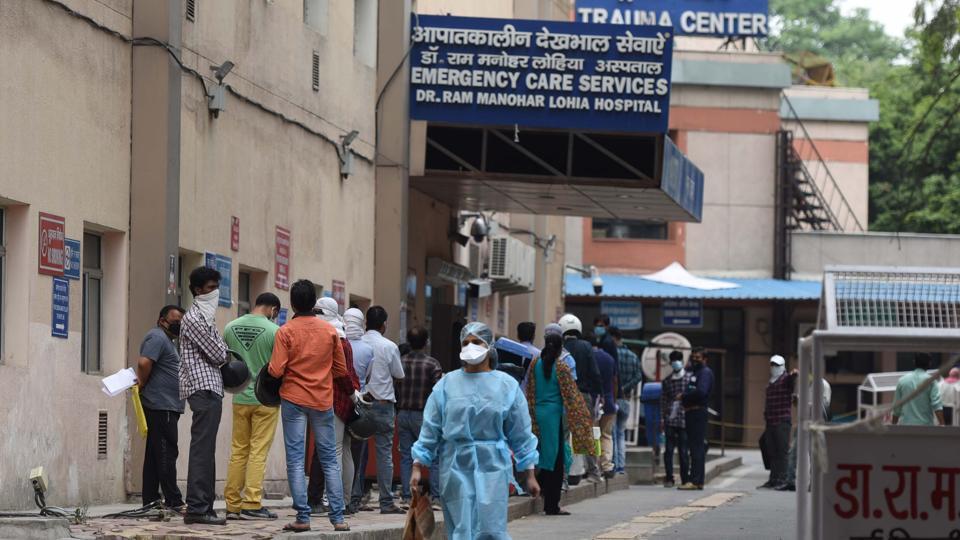
Until May 9 this year, areas under all five municipal bodies in Delhi—north, south and east corporations, New Delhi Municipal Council, and Delhi Cantonment Board—recorded a significant jump in the number of dengue, malaria and chikungunya cases as compared to the same period last year. All three diseases are transmitted by the Anopheles and Aedes Aegypti mosquitoes.
Malaria cases in Delhi have more than quadrupled from four cases, reported between January 1, 2019 and May 9, 2019, to 18 cases reported between the same period this year. The number of chikungunya cases has doubled from five cases last year (till May 9) to 10 cases this year. The number of Dengue cases for the same period has also increased from nine last year to 14 cases this year.
Public health experts say the hike in the number of cases can be attributed to “intermittent rain and lower temperatures this year.” “If you look at the weather records, in January and February, Delhi received more than the normal amount of rainfall this year, and in March, it received the highest amount of rainfall in the last ten years (compared to the same corresponding periods),” said Dr RN Singh, senior municipal health officer, New Delhi Municipal Council (NDMC). “Dust storms, hails and intermittent rains in April have also kept the temperature in the city under control. This resulted in creating conducive habitats for mosquitoes, providing them not only with freshwater puddles but also giving them moisture in the air to survive,” he added.
Another municipal doctor, who didn’t wish to be named, said, “Cyclical trends are also a factor to be considered here. Dengue and chikungunya return aggressively after every three or four years because of the change in the prevalent virulent strain. The last time these two diseases were a major concern in Delhi was in 2017.”
The Covid-19 pandemic is also posing a challenge to the efforts of the civic bodies to contain mosquito-borne diseases. The domestic breeding checkers (DBCs) can no longer go door-to-door to check coolers and overhead tanks as many residents are not letting them in. Also, a chunk of the DBCs are engaged in disinfection drives by civic bodies wherein sodium hypochlorite is sprayed over residential and public areas to contain the spread of the Sars-Cov-2 virus.
“We are now majorly dependent on technology—we are sending over 50,000 messages over the phone every week to residents’ welfare associations (RWAs), market associations, hotels, etc., and are also circulating self-help videos on preventing breeding of mosquitoes on one’s own premises,” said a New Delhi Municipal Council official.


