
 E-Paper



Agnipath rollback is an expedient move
Tt will be difficult for the government to stay on course with the two main stated aims of the Agnipath scheme

 Prefer HTon Google


In an unexpected move, the government has effectively rolled back Agnipath, its flagship recruitment scheme for the armed forces announced in 2022. Chief of Defence Staff (CDS) General NS Raja Subramani announced on Wednesday that Agniveers set to exit the military at the end of their four-year tenure will be given an additional two-year extension period and subsequently be offered permanent recruitment, subject to meeting specific eligibility criteria and individual consent. The decision — which came weeks before the first Agniveers were scheduled to exit the forces — might be a pre-emptive strike against potential negative electoral impact. Of the seven states going to polls in 2027, at least five contribute significantly to the armed forces. But it will be difficult for the government to stay on course with the two main stated aims of the Agnipath scheme — massive savings on the wage and pension bill and raising a younger fighting force on par with global armies.
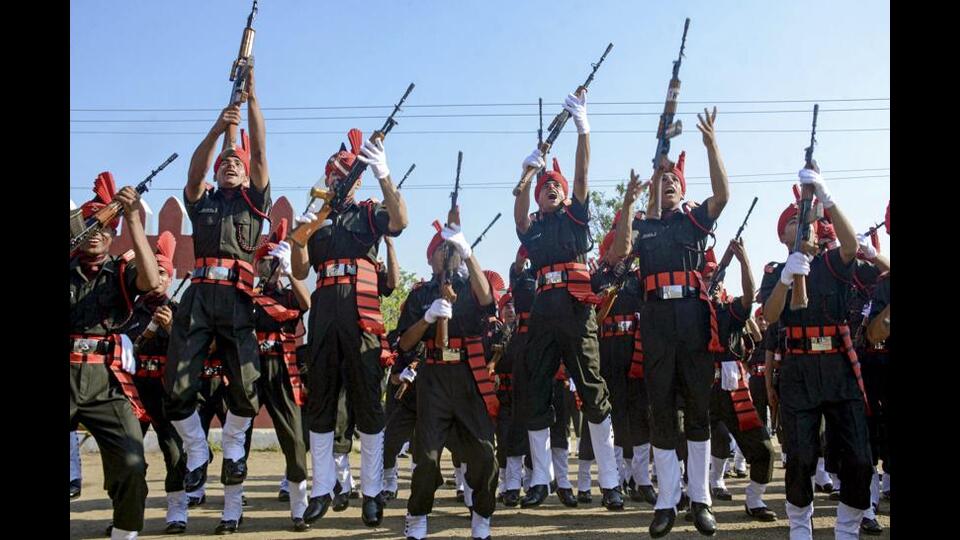
Indian armed forces offer more than employment safety to thousands of young people and their families, many of whom belong to the rural and semi-urban parts of the country. The social cache a military uniform endows them with has few parallels. With a promise to absorb all willing Agniveers into permanent service based on objective selection criteria — par for the course for all military recruitments — the government appears to have addressed the socio-economic grievances of soldiers, their families and strategic concerns of veterans and security experts. But in the process, the changes have triggered troubling questions about how the government plans to manage burgeoning bills and an ageing force in a turbulent world where the chances of conflict are only increasing.


