
 E-Paper



Covid-19: Normalcy is within reach
Owing to a vaccination drive that has nearly covered India’s entire adult population with a single jab, and a rapid decline in the third wave, it appears that the “return to normal”

 Prefer HTon Google


In the week leading to Thursday, there were 34,995 new cases of Covid-19 reported every day on average across India. This figure, also referred to as the seven-day average of daily cases or the case curve, is the lowest it has been in a month-and-a-half. And it is only dropping further — the case curve has lost 60% of its volume from just a week ago (when the seven-day average was 83,352). This trend is emphasised by the drop in the test positivity rate — a statistic that reflects the on-ground prevalence of the virus. On Thursday, the daily positivity rate in India was 2.7%. This is not only significantly below the World Health Organization’s threshold of 5%, but also marks an 18 percentage point drop from the figure on January 23, when it was 20.9%. In fact, out of India’s 32 states or Union Territories (UTs) where the positivity rate can be calculated, it is below the 5% mark in 22 regions. It is currently above 10% in just one state — Kerala.
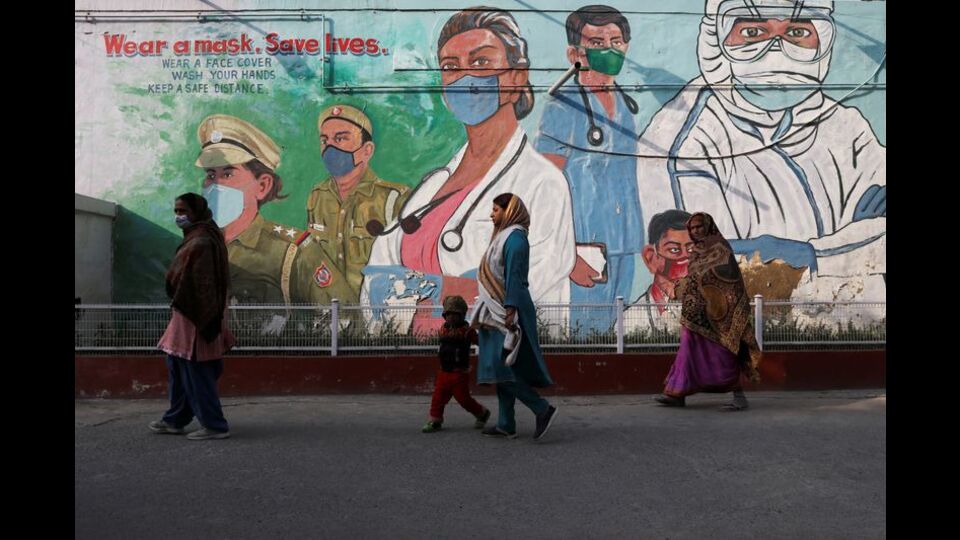
With a rapidly improving pandemic situation in nearly every region of the country, a majority of activity- and movement-related restrictions have been removed. Only a handful of curbs, enforced at the state level such as night curfews, remain in place. On Thursday, Haryana joined a list of states that includes Assam, Bihar and Telangana to have removed all Covid-19 curbs (except rules around masking, which, as they should, continue). Others such as Delhi, Jammu and Kashmir, Rajasthan and Himachal Pradesh have ended most restrictions, and are in the process of removing the final curbs — the Delhi government, for instance, told the Delhi Disaster Management Authority on Thursday that the Capital has controlled the Omicron wave and all remaining restrictions should be removed. It was with these circumstances in mind that the Union government this week wrote to states and UTs, asking them to “review, amend or end” any curbs that still remain, including those on inter-state movement. The move was the latest effort by the government to ease residual restrictions on people and businesses that have now borne the economic brunt of the pandemic for more than two years.
Owing to a vaccination drive that has nearly covered India’s entire adult population with a single jab, and a rapid decline in the third wave, it appears that the “return to normal”, which India was waiting for two years is finally within reach. While the Centre can nudge states in the right direction, the final decision on opening up completely eventually rests with them.


