
 E-Paper



Midterms boost for global markets
The Republicans’ stunning defeat in both the House and the Senate weakens President Trump’s war effort and arbitrary tariffs push

 Prefer HTon Google


The global economy normally thrives on political continuity. It likes when people remain in power, when their mandates get strengthened, and when poll winds blow in the direction of leaders at the helm of affairs. But the way markets around the world celebrated — Dow went up 3% on Wednesday and Hang Seng (3.67%) and Nifty (2.4%) soared on Thursday — US President Donald Trump’s catastrophic defeat in the midterm elections shows that economic sentiment is sometimes propelled by events that are exactly the opposite of what it usually craves.
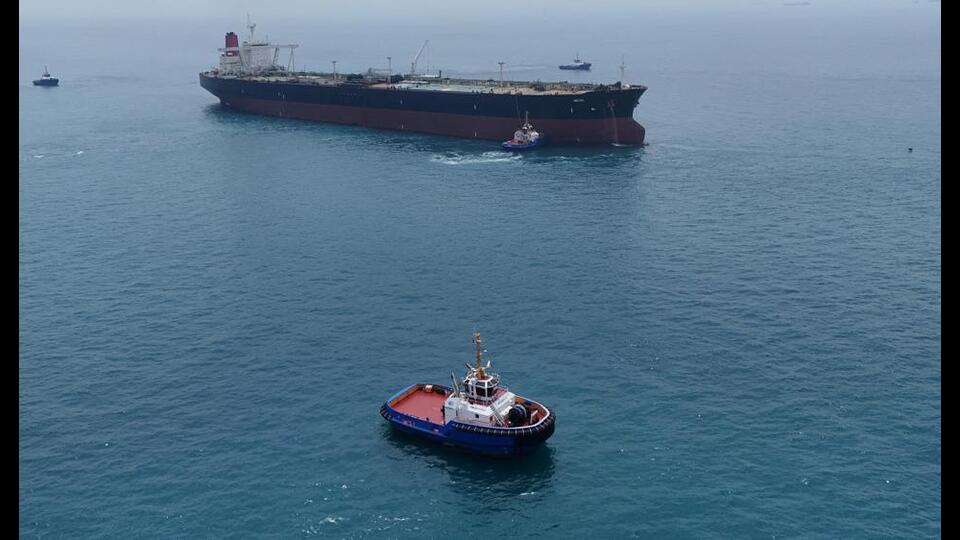
The hopes of a revival have sprung largely from how oil prices have crashed in the aftermath of the midterm verdict. Brent was down to $94 a barrel on Thursday from a high of $118 last week with Democratic control of both the House and the Senate expected to increase legislative scrutiny and put pressure on Trump to negotiate an end to the Iran war. This, coupled with the Iranian administration exempting certain oil tankers (including Indian vessels) passing through the Strait of Hormuz, has reignited expectations that the worst period of the war is now over — even if Trump tries to use his veto power to fund an acceleration, and principal provocateur Benjamin Natanyahu manages to hang on to power in Israel after a hung verdict in last week’s elections.
Not just his war effort, the stunning defeat handed to the Republicans weakens Trump’s arbitrary tariffs push and gives a massive leverage to countries on the receiving end of his erratic rate-card diplomacy. Canadian leader Doug Ford, the premier of Ontario state, for instance, said he was “doing cartwheels down the street” in the hope that the global trade war would finally be nearing an end.
To be sure, there is a lot still left to be ironed out. The Iran war is not over. The US Congress has little or no say on global tariffs. The future of the AI boom (or bubble) is now intrinsically linked to global finance and its intersection with US politics. And, make no mistake, Trump is still the president. But there is hope that he can now be moderated, if not through legislation by the US Congress, then through the GOP’s desperate need to distance itself from his most volatile policies ahead of the 2028 presidential election.


