E-Paper



In 150 Uttar Pradesh schools, all students fail Class 10, 12 exams
There were 98 such schools in the high school examination and 52 schools in the intermediate examination, according to the UP Board exam results declared on Sunday.

 Prefer HTon Google


A total of 150 schools affiliated to the UP Board registered zero results as all the students in these institutions failed to clear the 2018 high school and intermediate examinations.
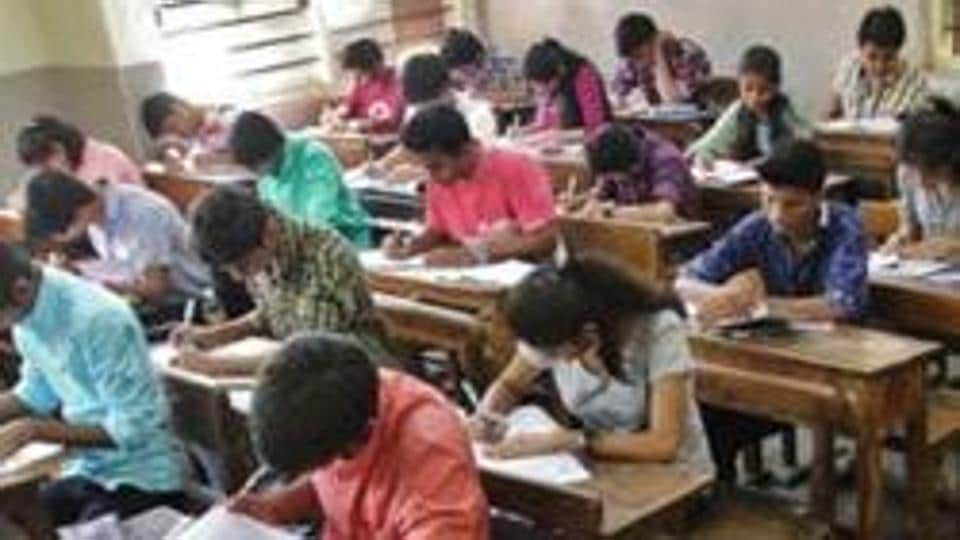
There were 98 such schools in the high school examination and 52 schools in the intermediate examination, according to the UP Board exam results declared on Sunday.
UP Board secretary, Neena Srivastava attributed the zero results to strict anti-copying measures implemented with the help of state government.
The crackdown against the copying mafia as well as corrupt elements forced students to either quit examinations midway or prevented examinees from using unfair means, people familiar with the functioning of the UP Board said.
A significant count of these schools was government as well as aided institutions.
Some schools had only 10–15 students registered for the high school examination.
Ghazipur, notorious as the hub of the copying mafia, had 17 such institutions with zero results. The number included 11 institutions where all students in class 10 were declared unsuccessful while in six schools, the students failed to clear the Intermediate exams.
In Allahabad and Azamgarh districts, six schools each registered zero results. In Hardoi, Bahraich, Mau and Mirzapur districts, five schools each registered zero results.
Some other districts where zero results were witnessed in schools included Agra, Mathura, Mainpuri, Aligarh, Hathras, Amroha, Lakhimpur Kheri, Lucknow, Kannauj, Auraiya, Kaushambi, Ambedkar Nagar, Basti, Gorakhpur, Jaunpur and Deoria.
The UP Board for the first time implemented strict anti-copying measures this year, including CCTV cameras at its over-8000 examination centres, besides deployment of the Special Task Force to keep the copying mafia at bay.