
 E-Paper



A year in review: Dr. S. P. Singh Patel’s development and public service journey
Over 200 schools received RO water coolers, while 100 India Mark hand pumps have been approved for rural areas.

 Prefer HTon Google


For a parliamentary representative, development is not measured only by projects sanctioned on paper, but by the extent to which those initiatives translate into improved roads, safe drinking water, public infrastructure, healthcare and opportunities for ordinary citizens.
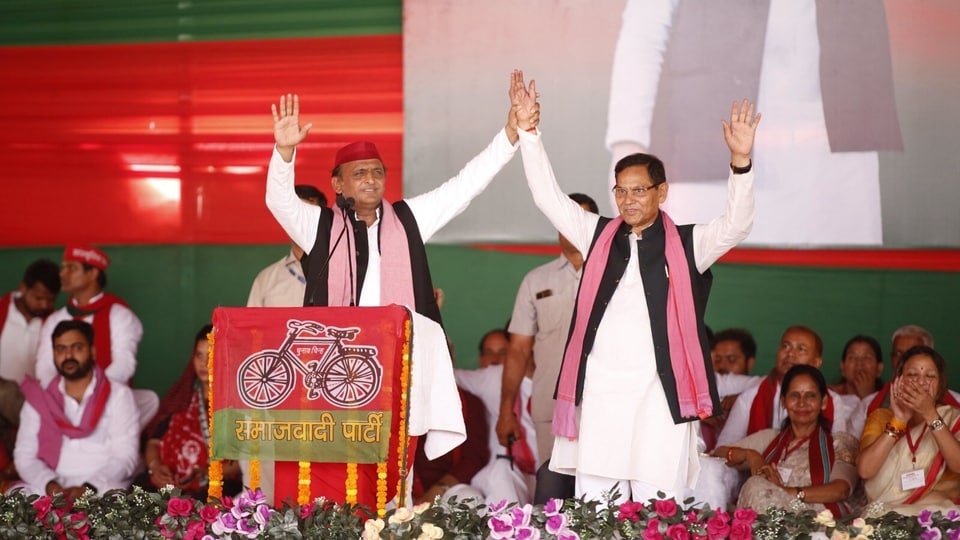
Over the past one year and ten months, Pratapgarh MP Dr. S. P. Singh Patel has sought to build such a development-oriented approach—one that combines parliamentary intervention with engagement at the grassroots.
Addressing members of the press and citizens of the district, Dr. Patel presented an account of development initiatives, welfare interventions and public issues pursued during his tenure. The broad picture emerging from his report is one of an elected representative attempting to connect parliamentary responsibility with everyday public needs.
Roads and connectivity: developing infrastructure
Road connectivity remains one of the drivers of rural development. Under the Members of Parliament Local Area Development Scheme (MPLADS), approval letters have been issued for 183 roads across different assembly constituencies of Pratapgarh. Several projects have already been completed, while others are progressing.
Under the PMGSY, proposals for nearly 600 roads were submitted during 2024–25. Of these, 280 roads have been approved for upgradation into all-weather pucca roads, with the remaining proposals under process. These roads will be completed in phases.
The focus has also extended to the renovation of damaged roads and preparation of proposals for approximately 250 new roads under the Public Works Department. The widening and strengthening of the Kohandaur–Chandauka road has also received approval, with funds allocated for the project.
For rural communities, such infrastructure is more than construction—it means access to schools, hospitals, markets, employment and government services.
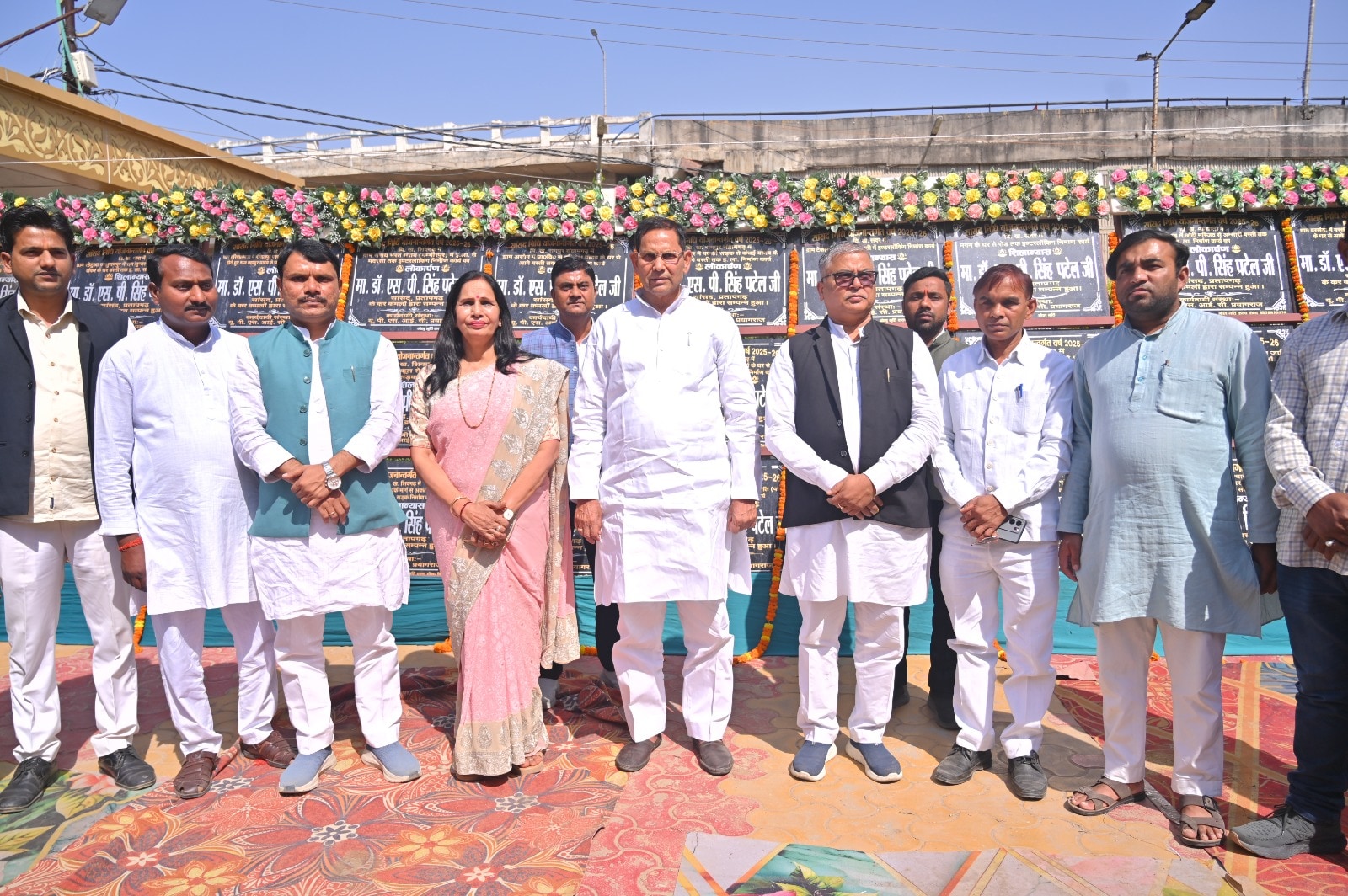
Drinking water, schools and basic amenities
Public welfare initiatives have also focused on basic human necessities. RO water coolers have been installedin more than 200 schools, while drinking water facilities have also been installed at tehsil and court premises.
In rural areas, approval has been granted for more than 100 India Mark hand pumps, supporting access to drinking water in communities where reliable water sources remain a concern.
The effort to improve school infrastructure reflects the link between education, public health and the quality of basic facilities available to children.
Electricity and renewable energy
Electrification and energy infrastructure have formed another component of the development agenda. Under the Saubhagya Scheme, nearly 200 previously unelectrified villages have received electricity connectivity.
Infrastructure improvement is continuing in approximately 600 villages, including replacement of old poles and cables and strengthening of transformer capacity.
The district has also witnessed the installation of 46 solar lights during 2024–25 and another 54 during 2025–26, reflecting an increasing emphasis on clean and decentralised energy solutions.
Healthcare: assistance for patients
Healthcare has emerged as one of the areas of public intervention. Through the CM Discretionary Fund, financial assistance of approximately ₹10–11 crore has been extended to more than 300 critically ill patients.
Another ₹12–13 crore has reportedly been provided to over 350 patients through the Prime Minister’s National Relief Fund. In addition, free medical treatment has been facilitated for more than 250 patients.
More than 1,000 patients have been provided with hospital assistance and healthcare support.
For families confronting serious illness, such assistance can represent not merely financial support but relief during moments of vulnerability.
Housing and social security
Housing remains central to the idea of inclusive development. Under the PM Awas Yojana (Rural), 83,446 houses were approved in 2024–25, of which 83,134 have already been completed.
During 2025–26, a survey covering 1,44,449 families was conducted, with construction under the first phase expected to commence shortly.
The process of identifying and supporting disaster-affected families under the Chief Minister Housing Scheme is also underway, with beneficiary lists from 13 development blocks forwarded for further action.
Solar-powered public infrastructure: mini high-mast & solar lights
To develop public infrastructure and improve safety across Pratapgarh, the installation of more than 200 mini high-mast lights is currently underway at key locations across the district.
In addition, more than 140 solar lights are also in process for installation in various rural areas, providing reliable illumination, particularly in places where conventional electricity-based lighting is limited.
These initiatives are intended to support public safety, accessibility and connectivity, while promoting clean and sustainable energy solutions across Pratapgarh.
A parliamentarian beyond the constituency
Dr. Patel’s role, however, has extended beyond constituency development. In Parliament, he has raised issues linked to farmers, employment, education, social justice and regional economic development.
Among his key interventions has been the proposal for an Amla-based processing factory in Pratapgarh, aimed at improving returns for farmers while generating local employment.
He has also raised issues concerning the Sai River Front, TET requirements for previously appointed teachers, social justice in higher education, implementation of UGC regulations, unemployment, farmers’ income and MSP reforms.
Concerns regarding the functioning of Dr. Sonelal Patel Medical College have also been raised, with the objective of supporting healthcare services for the people of the region.
Rail connectivity and the development plan
Recognising that economic development is closely connected with mobility, detailed proposals have been submitted to the Ministry of Railways concerning underpasses and flyovers, stoppage of major trains, new rail services and expansion of railway station facilities.
These proposals indicate an effort to position Pratapgarh not merely as a beneficiary of government schemes but as a district with improved connectivity and economic potential.
The role of public service
A feature of Dr. Patel’s approach is the emphasis on direct public contact. His continued visits to villages and interactions with citizens reflect an attempt to make grievance redressal a part of everyday public representation rather than an occasional exercise.
Development ultimately acquires meaning when it reaches the households, villages and citizens who need it most.
For Pratapgarh, the next phase will be about translating approved projects into completed works, ensuring effective implementation and maintaining the momentum of public engagement.
The message from Dr. Patel’s tenure reflects the role of a parliamentarian as a voice in the House and a bridge between public aspirations and public policy.
And as Pratapgarh looks towards the years ahead, the progress of this development journey will be measured by the opportunities created, lives improved and changes experienced by its people.
Note to the Reader: This article is part of Hindustan Times' promotional consumer connect initiative and is independently created by the brand. Hindustan Times assumes no editorial responsibility for the content.


