
 E-Paper



Crashfree India releases research highlighting gaps in road crashes compensation
Crashfree India has launched a research brief addressing the challenges of road crash compensation in India.

 Prefer HTon Google


Crashfree India, a research- and implementation-focused institution, has been working extensively on post-crash legal access mechanisms, including hit-and-run compensation under Section 161 of the Motor Vehicles Act and Motor Accident Claims Tribunal (MACT) compensation systems.
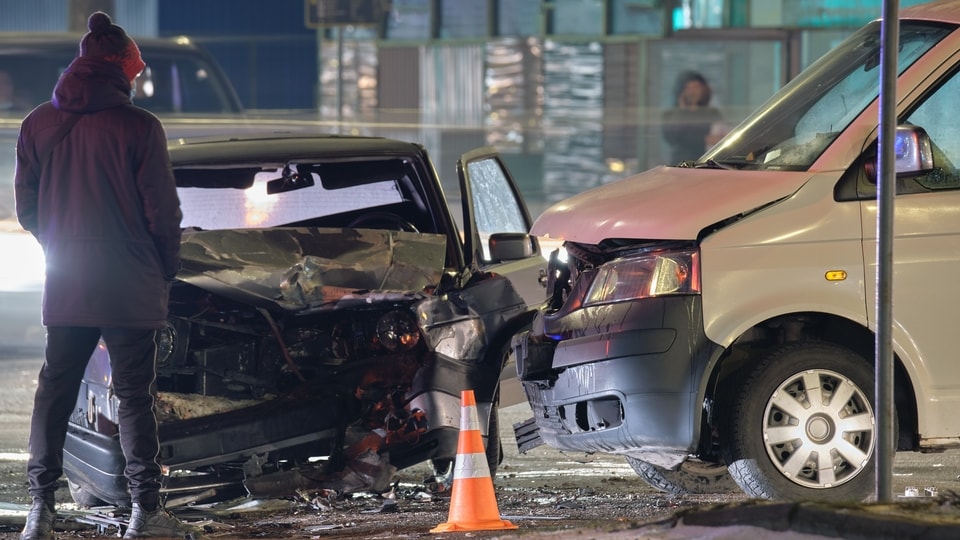
Over the past few months, the company has spoken with several practitioners across the ecosystem to better understand the realities of road crash compensation in India. These perspectives (drawn from the judiciary, legal practice, insurance, policing, and policy) have been invaluable in shaping our understanding of how the system functions in practice.
The research brief titled Justice Unserved: Why Most Crash Victims Don’t Get Compensated in India is designed as a concise overview of the systemic challenges practitioners repeatedly highlighted during our consultations.
Kesar Kanjhlia, research fellow at Crashfree India, said, "This launch marks the beginning of a national effort. The primer is meant to highlight the gaps, align stakeholders, and pave the way for robust surveys and pilot studies on pre- and post-crash care.”
About the Research Brief
This document represents the first stage of our research initiative. Its aim is not to present a final verdict on the compensation system, but rather to map the institutional landscape and identify the key structural questions needing deeper empirical investigation.
Drawing on policy analysis, secondary data, literature review, and consultations with practitioners, the brief highlights several implementation challenges across the compensation pipeline, particularly around awareness, documentation processes, victim traceability, administrative coordination, and claim timelines.
Key Systemic Gaps Identified
These challenges broadly manifest across five recurring areas that emerged during our discussions:
Awareness – when and how victims first learn about compensation pathways
Timeliness – delays across FIR registration, insurance processing, and tribunal adjudication
Legal efficiency – procedural complexity and documentation burdens placed on claimants
Adequacy – whether compensation meaningfully reflects victims’ economic and non-economic losses
Equity – disparities in outcomes across income levels, geography, and gender
Next Phase: Building a Victim-Centred Evidence Base
The brief, therefore, serves as a foundation for the next phase of the company's work, which focuses on building a victim-centred evidence base to complement the practitioner insights captured here.
To that end, they have already begun pilot field interviews with over 120 crash victims and families, documenting their lived experiences navigating compensation systems.
Ground Interventions for Crash Victims, Guided by Evidence
Building on their initial understanding and backed by research, Crashfree India has introduced a range of victim-focused tools and interventions, which will continue to be expanded and strengthened in the coming phases.
These include victim helpdesks at hospitals and trauma centres, along with educational materials, visual explainers, and an AI-enabled chatbot designed to help victims understand their rights and the steps required to initiate compensation claims.
Institutional Collaboration and System Strengthening
On the advocacy and system-strengthening front, the company is working with the Gurugram Police to improve the claim rate under the Hit and Run Compensation Scheme by identifying eligible cases and supporting victims in navigating the compensation process.
This includes proactively reaching out to victims and identifying systemic blind spots, which can help inform future improvements in administrative processes.
The collective goal is simple but important: to ensure that compensation systems are not only legally sound but also timely, accessible, and equitable for the victims they are meant to serve.


