
 E-Paper



Root-Cause Mapping for Different Types of Hair Loss
Identifying the root cause of hair loss is crucial for effective treatment. Different types correspond to various internal triggers.

 Prefer HTon Google


Hair loss is not one condition. It’s a symptom with many possible triggers. Treating all hair fall the same way is one of the biggest reasons people struggle to see lasting improvement.
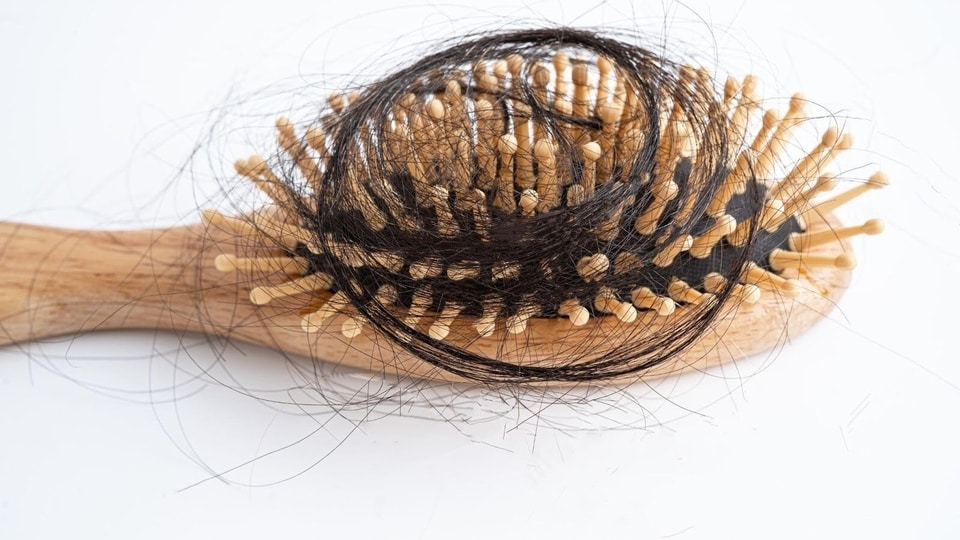
Root-cause mapping means identifying the specific driver behind your type of hair loss before starting treatment. Once you know the pattern, the approach becomes far more targeted.
Here’s how different types of hair loss map back to different internal triggers.
1. Sudden Diffuse Shedding (Telogen Effluvium)
This type usually shows up as noticeable shedding across the entire scalp. It often begins 6–12 weeks after a trigger.
Common root causes:
- Severe stress
- Illness or infection
- Surgery
- Crash dieting
- Iron deficiency
- Postpartum hormonal shift
In this case, the goal is stabilizing the system — correcting deficiencies, restoring calories and protein, and managing stress.
2. Gradual Thinning at the Crown (Androgenetic Alopecia)
This is the most common pattern in both men and women. It appears as:
- Widening parting in women
- Thinning at the crown
- Gradual miniaturization of hair strands
Root causes often include:
- Genetic sensitivity to DHT
- Hormonal imbalance
- Insulin resistance
- Chronic inflammation
Here, long-term management and hormone stabilization become key.
3. Hair Loss with Irregular Periods
If hair thinning is accompanied by:
- Acne
- Irregular cycles
- Weight gain
- Facial hair
PCOS or androgen imbalance may be involved. Root-cause mapping should include hormonal testing and metabolic assessment.
4. Hair Loss with Fatigue
If shedding comes with:
- Persistent tiredness
- Pale skin
- Brain fog
- Brittle nails
Iron deficiency, B12 deficiency, or thyroid imbalance should be evaluated.
Correcting nutrient levels often reduces shedding significantly.
5. Hair Loss After Weight Loss
Rapid dieting or extreme calorie restriction can trigger diffuse shedding. The root cause here is metabolic stress and nutrient depletion.
Restoring protein intake, iron levels, and caloric balance becomes the priority.
6. Patchy Hair Loss
Sudden round patches may suggest autoimmune conditions such as alopecia areata. This requires medical evaluation and immune regulation rather than cosmetic solutions.
7. Hair Fall with Scalp Symptoms
If thinning is accompanied by:
- Itching
- Flaking
- Redness
- Oily buildup
Scalp inflammation or fungal overgrowth may be contributing. Internal inflammation and topical treatment both matter here.
Why Mapping Matters
Without identifying the type of hair loss, treatment becomes guesswork. For example:
- Iron supplements won’t fix DHT-driven thinning.
- DHT blockers won’t solve stress-induced shedding.
- Oils won’t correct thyroid imbalance.
Each pattern has a different biological pathway.
A Structured Approach
Root-cause mapping involves evaluating:
- Blood tests
- Hormonal markers
- Stress levels
- Dietary patterns
- Digestive health
- Scalp condition
This is where comprehensive systems like Traya focus on layered assessment rather than one-size-fits-all treatment. By identifying which category your hair fall fits into, interventions become more precise and sustainable.
Final Takeaway
Hair loss is not a single disease. It is a signal. And different signals require different responses.
Root-cause mapping prevents wasted time and unnecessary experimentation. When you understand the type of hair loss you’re facing, the path to recovery becomes clearer.
Note to readers: This article is part of HT's paid consumer connect initiative and is independently created by the brand. HT assumes no editorial responsibility for the content, including its accuracy, completeness, or any errors or omissions. Readers are advised to verify all information independently.
Want to get your story featured as above? click here!


