
 E-Paper



Don’t take your phone to bed. Harms of night-time light exposure may pass on to kids

 Prefer HTon Google


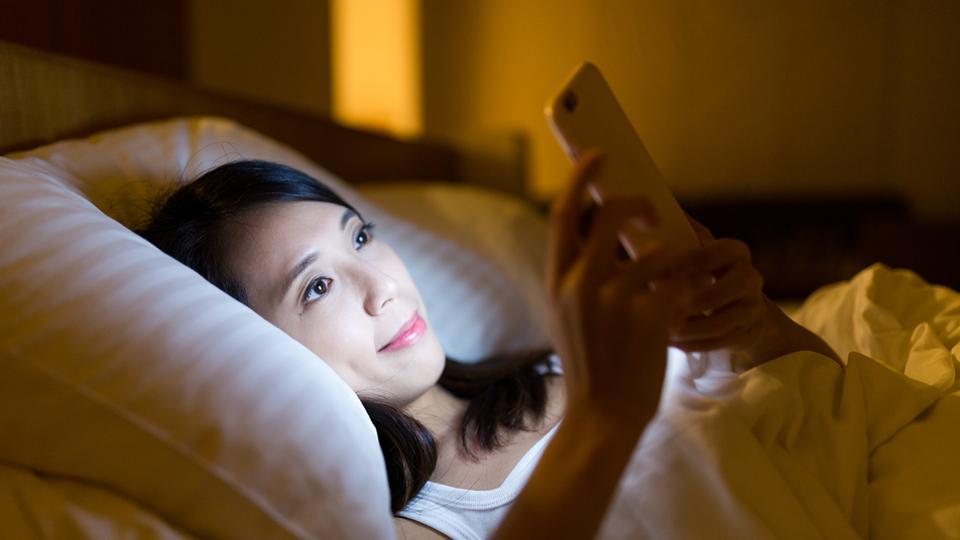
A US study conducted on hamsters found that the negative health impact of night-time light exposure on parents may be inherited by offsprings.
The damaging effects of nighttime light exposure may be inherited by offsprings, according to a new study which shows that our increasingly illuminated nights can have a lasting negative impact on health.
Researchers from Ohio State University in the US exposed adult hamsters of both sexes to either a standard light day/dark night cycle or to dim light at night for nine weeks.
The hamsters were then mated in four groups – mothers or fathers with dim-light exposure, both parents with exposure to light at night and both parents with standard light exposure.
After mating, the entire group lived under standard light conditions. The hamsters’ offspring were then reared in standard light day/dark night conditions.
The researchers ran a series of tests on the offspring to determine if their parents’ light exposure prior to mating made any difference. Researchers found evidence that the dim light exposure had various repercussions for offspring and that fathers and mothers independently appeared to pass along genetic instructions that impaired immune response and decreased endocrine activity.
In addition, some of the effects were seen only in female offspring or only in male offspring.
In hamsters with parents that were exposed to light at night, researchers saw a decreased immune response when exposed to a foreign substance, changes in genetic activity in the spleen and potential damages to the endocrine system.
“We are seeing for the first time in these hamsters that it’s possible this damage (night time exposure to light) isn’t just being done to the affected individuals, but to their offspring as well,” said Randy Nelson of Ohio State University.

“These weren’t problems that developed in utero. They came from the sperm and the egg, it’s much more common to see epigenetic effects from the mothers, but we saw changes passed on from the fathers as well,” he said.
“I think people are beginning to accept that light pollution is serious pollution and it has health consequences that are pretty pronounced – an increase in cancers, depression, cardiovascular disease, diabetes and anxiety disorders,” Nelson said.
“We should be concerned about the increasing exposures to light at night from our tablets and phones and TVs,” he added.
The study was published in the journal Scientific Reports.
Follow @htlifeandstyle for more.


