E-Paper



World Cancer Day: India begins free screening for oral, breast and cervical cancers

 Prefer HTon Google


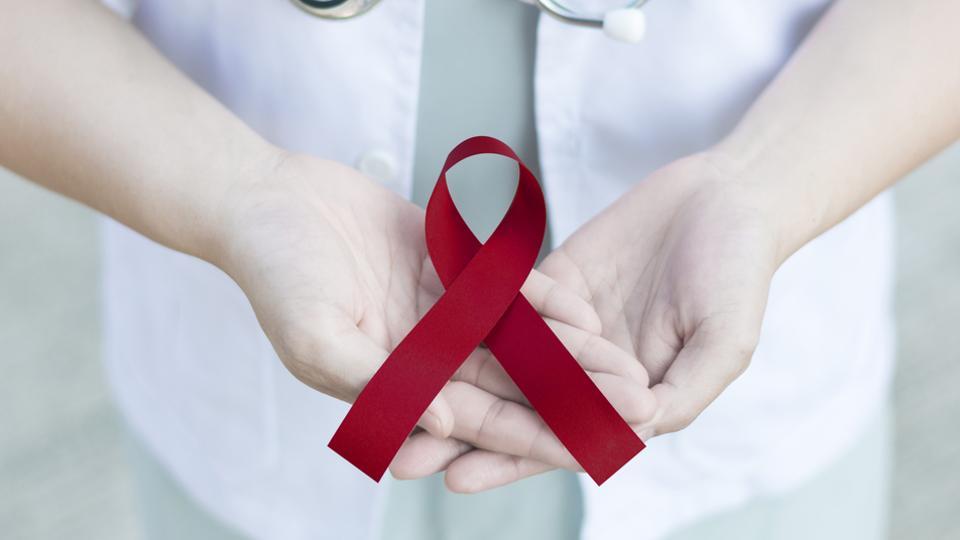
The campaign was announced last year as part of government’s flagship programme— Prevention, Screening and Control of Common Non-Communicable Diseases to be rolled out under the National health Mission (NHM).
India will start a door-to-door campaign to screen for three common cancers— oral, cervical and breast -- on February 4, World Cancer Day. The formal launch has been defeated till the ongoing elections are over.
“We will start training the medical officers from Saturday as we wanted the programme to start on world cancer day. The actual screening will start after a formal launch after the elections get over,” said a senior official at the Union health ministry, requesting anonymity.
The campaign was announced last year as part of government’s flagship programme— Prevention, Screening and Control of Common Non-Communicable Diseases to be rolled out under the National health Mission (NHM).
Apart from three cancers, people will also be screened for diabetes and hypertension.
“Since it will be cumbersome to actually make door to door vistis with heavy equipment, our medical officers will identify a sub centre or in villages a school where they will screen people,” said the official.
Before the decided day, anganwadi workers, Accredited Social Health Activists (Asha) and Auxiliary Nurse Midwife (ANM) will make door-to-door visits to record details of people, especially those who are at a higher risk of developing these conditions,” he said.
For the initial phase of the programme, 100 districts have been identified where it will be launched and later more districts will be included. The programme is conducted by the National Health Resource Centre.
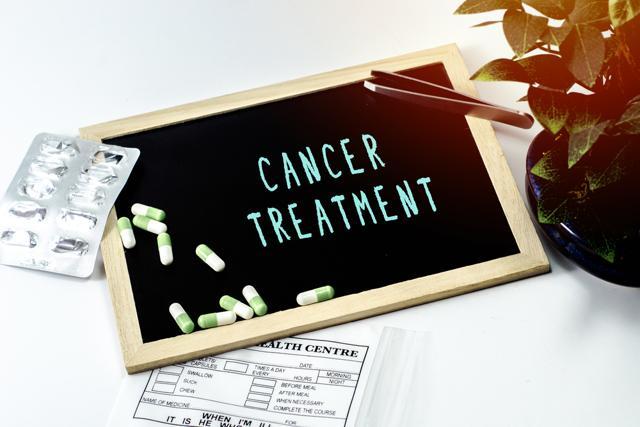
According to the World Health Organisation’s latest assessment, 25% of Indians are at risk of premature death from NCDs, the largest cause of death. The most prevalent NCDs in India are cardiovascular diseases, chronic respiratory diseases, cancer and diabetes.
One in eight men and one in nine women in India will develop some form of cancer in their lifetime, show projections from the latest National Cancer Registry data that was released by the government on Wednesday.
Based on the consolidated cancer registry reports by Indian Council of Medical Research (ICMR), the data shows India will report an estimated 14.5 lakh new cancer cases in 2016 alone, killing 7.36 lakh of them as barely 12.5% of those suffering from the condition get diagnosed early.
Since last registry that was updated in 2011, there has been a jump of 3.5 lakh first-time cancer cases reported in a year.
By the year 2020, the cancer figures are expected to go up to 17.3 lakh new cases in a year, proving right the prediction that cancer will top the list of non-communicable diseases plaguing India in another five years.