E-Paper



August 15 also marks five years of Taliban’s return to power in Afghanistan: What the country is like now
Five years on, streets may be safer, but Afghan women and girls remain locked out of school, work and daily freedoms.

 Prefer HTon Google


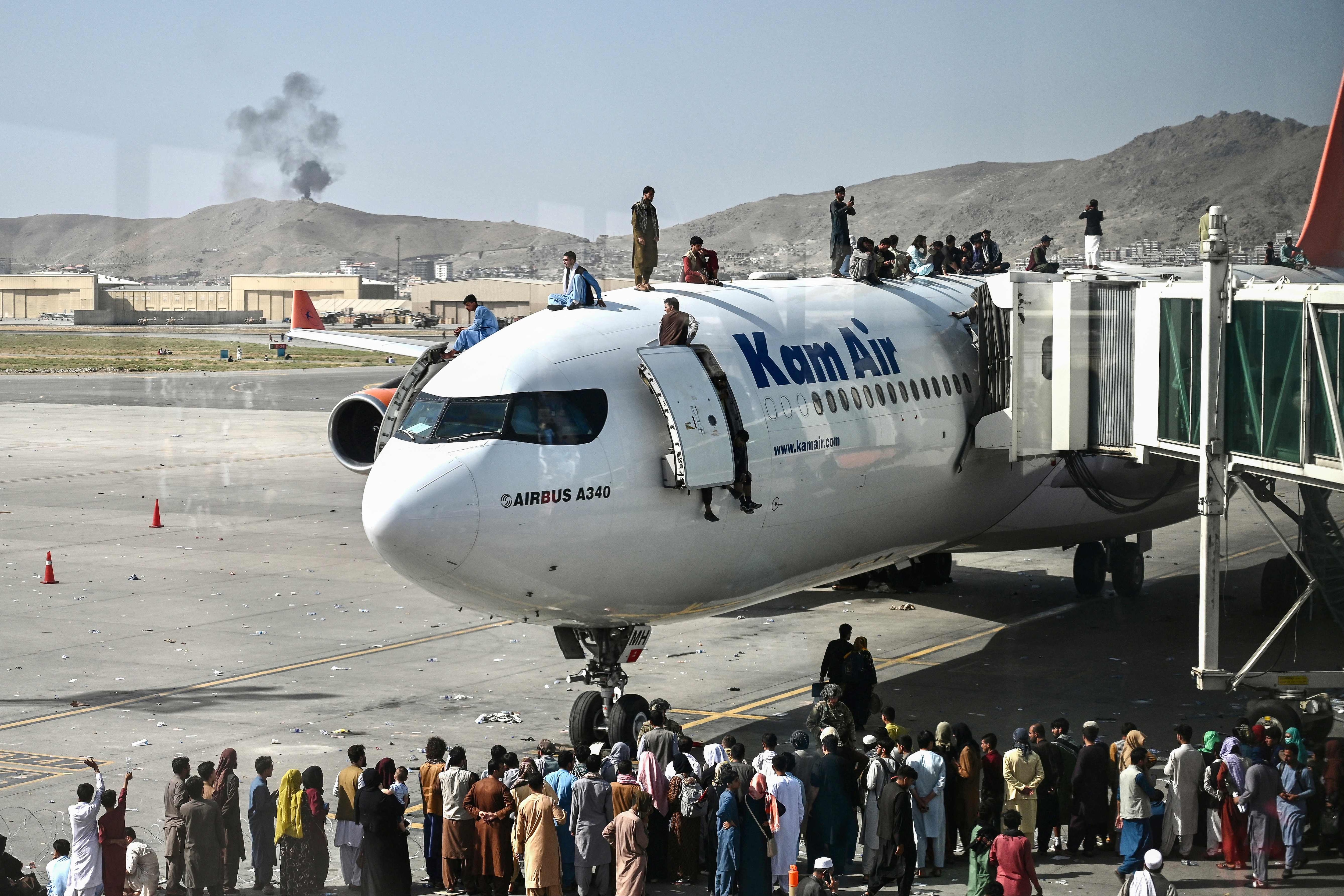
Five years ago on this date, as thousands of Afghans stormed Hamid Karzai International Airport hoping to get out, fighters from the Taliban walked into Kabul unopposed. The US and its allies had fought the group for 20 years while backing the Afghan government in Kabul.
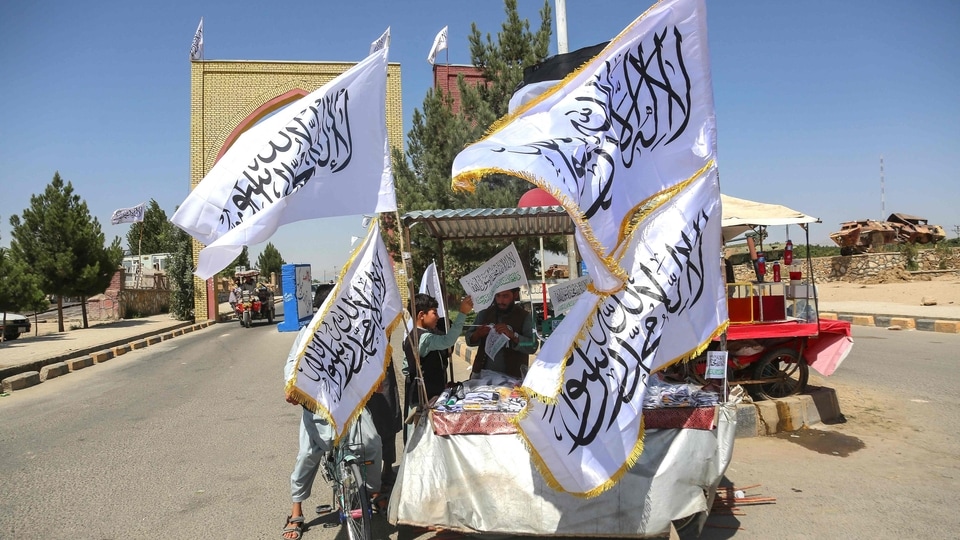
That government collapsed within days as coalition troops withdrew. August 15, 2026, the day India marks its 80th Independence Day, is also the fifth anniversary of that collapse, being celebrated by the Taliban as its “Victory Day”.
August 15, the day Taliban entered Kabul
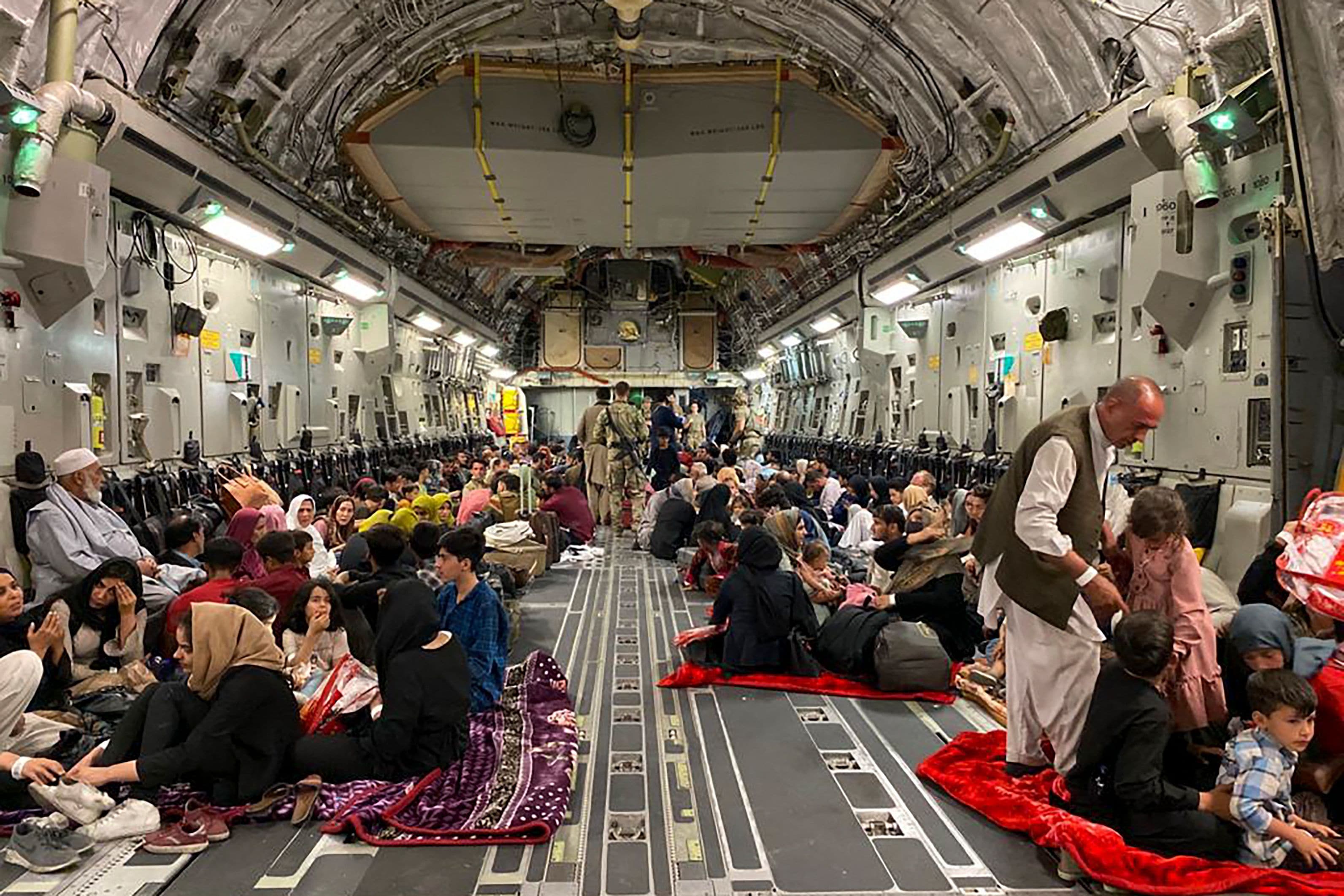
As the Taliban took control, chaos followed in Kabul.
Commercial flights were cancelled as thousands swarmed into the airport. Desperate to escape, some clung on to a US Air Force C-17 Globemaster transport plane while it taxied on the runway. Seeing a crowd approaching fast, the military plane took off, and at least two people were filmed falling from the sky.
The US briefly halted operations to clear the runway. Washington had set August 31, 2021, as its final withdrawal deadline, and the scramble at the airport played out in the two weeks before troops actually left.
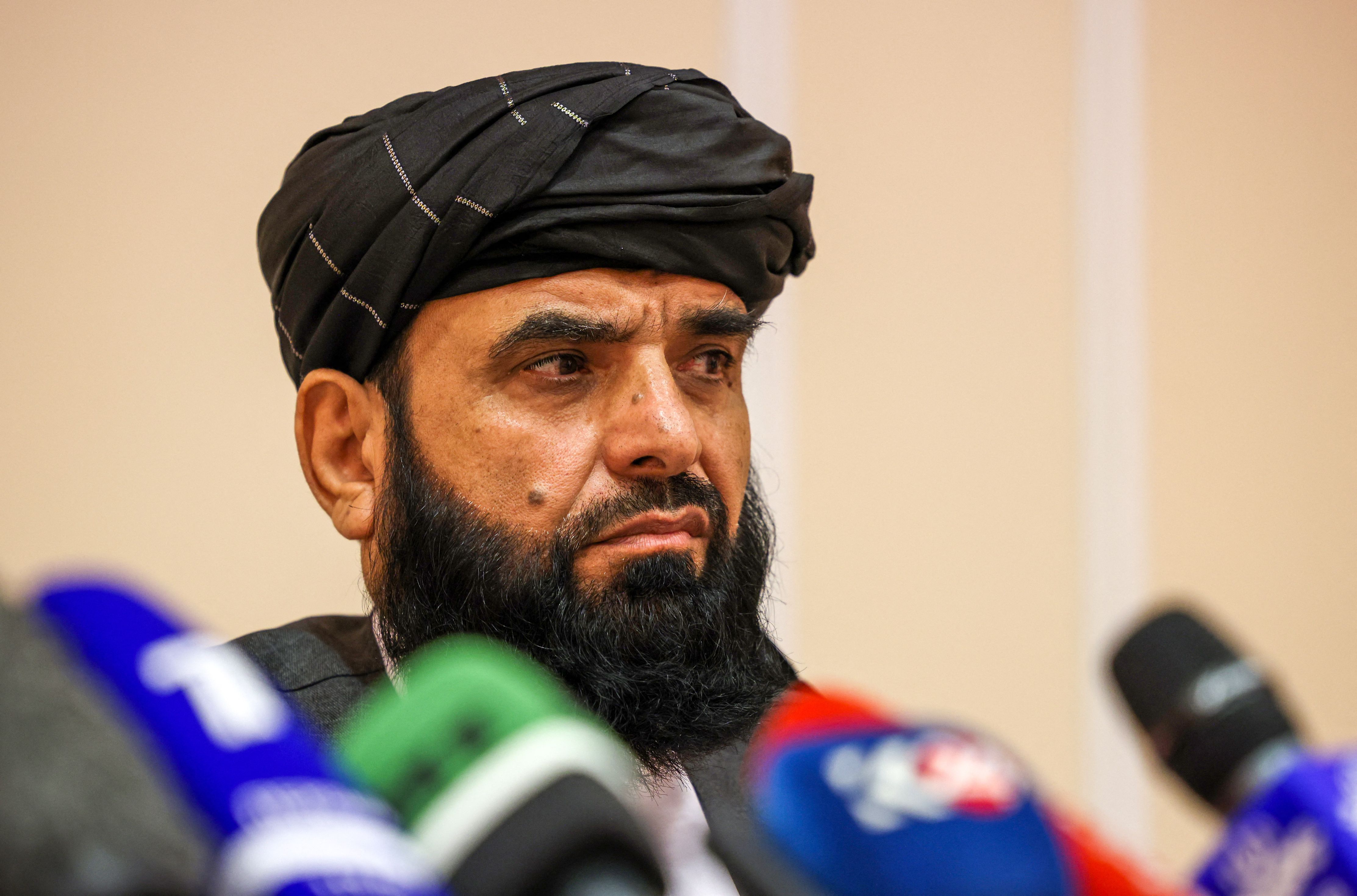
In the middle of that chaos, Taliban spokesperson Suhail Shaheen told CNN that Afghans faced "no risk to their property, to their lives or to their honour". He promised an "inclusive Islamic government", amnesty for those who had worked with the US or the previous Afghan administration, and said women and girls would keep the rights they had gained over the years.
Women shut out
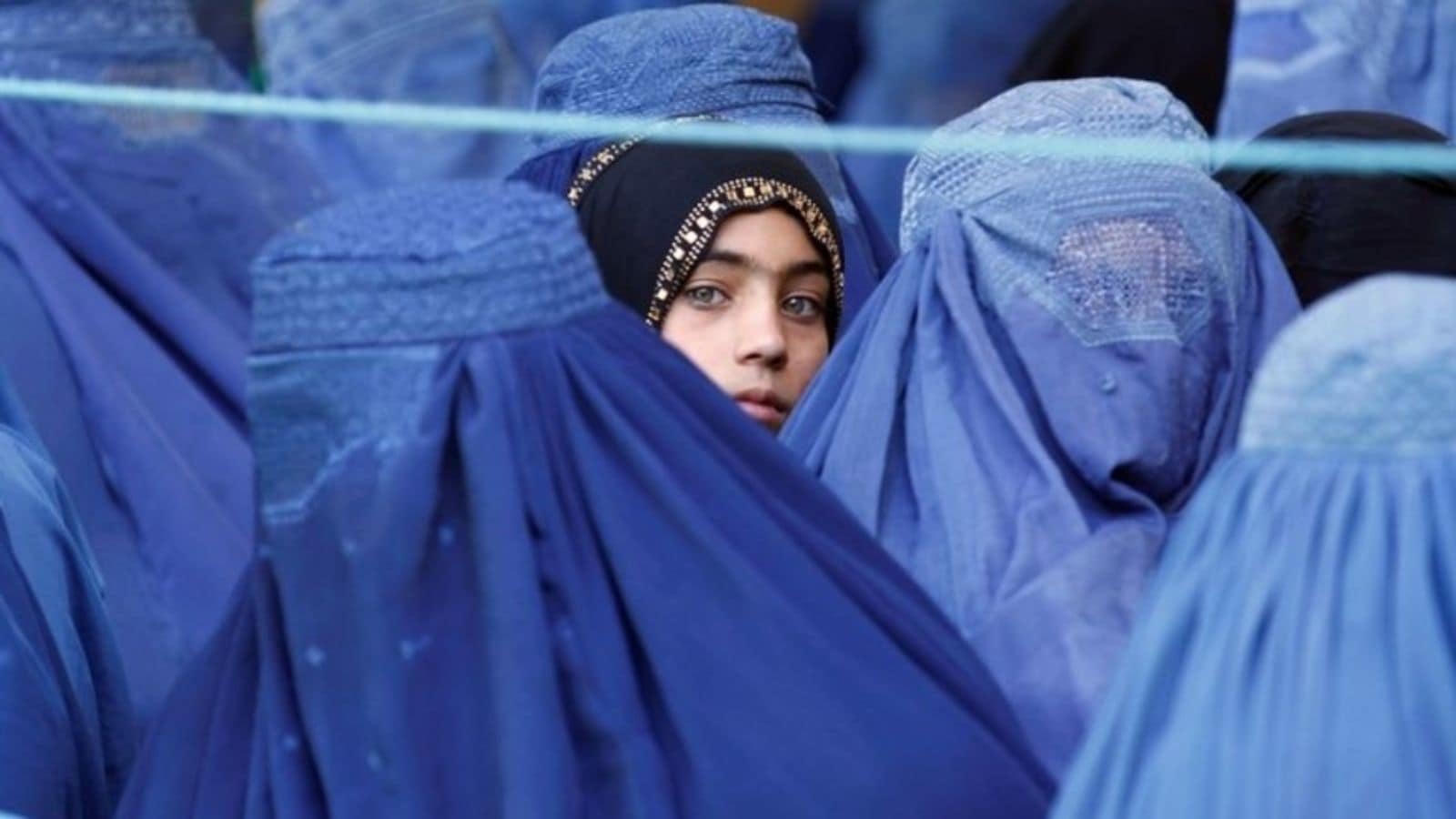
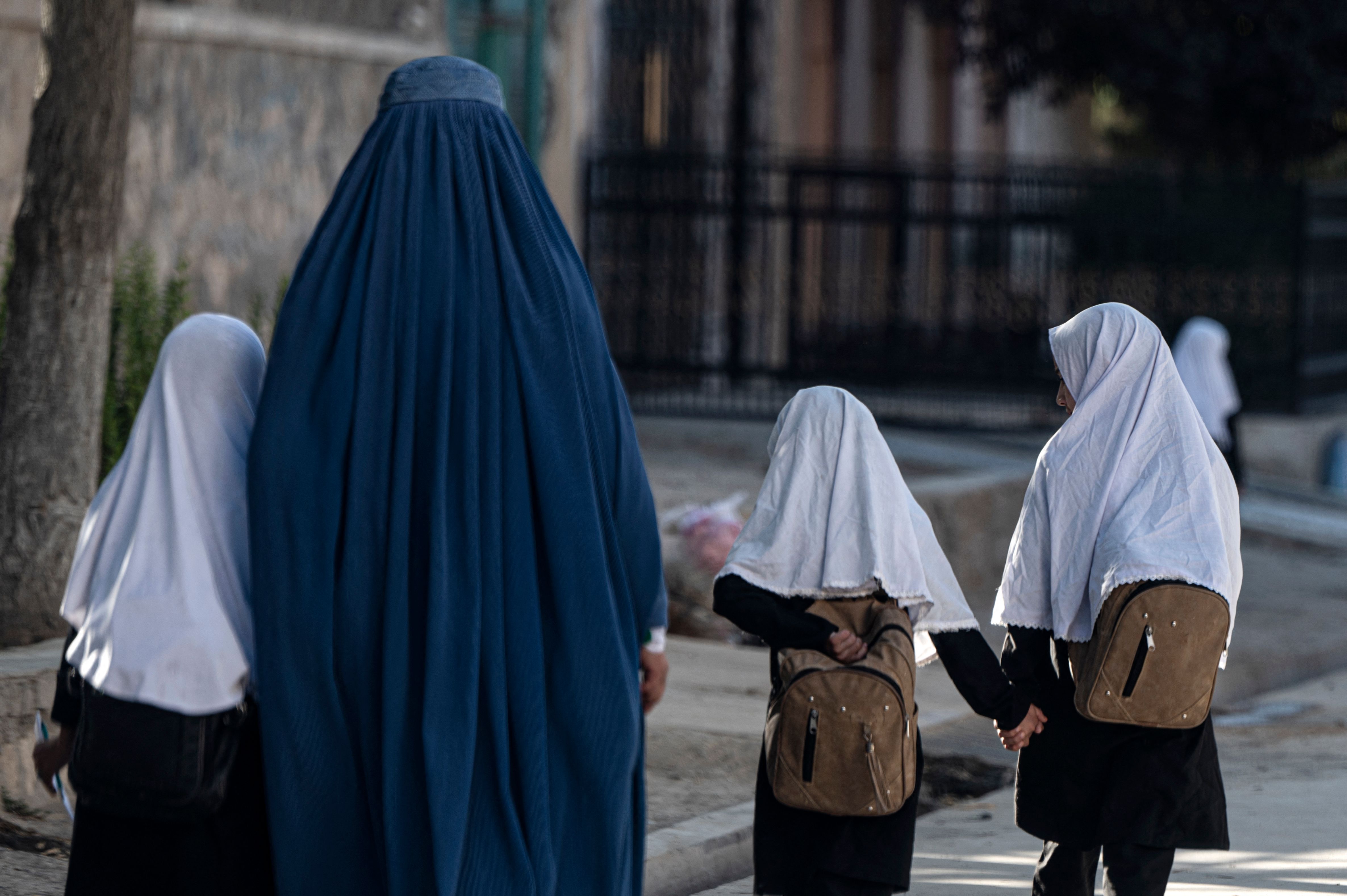
That promise did not hold. Girls were barred from secondary school and women from university. The restrictions slowly and steadily spread to employment, movement and access to public space.
A UN Women report published earlier this week counted more than 100 decrees targeting women and girls since the takeover. Seven in ten women surveyed described their mental health as "bad" or "very bad".
More than half said they now leave home only once or twice a month, and nearly three-quarters said they feel unsafe stepping out without a male guardian. Only 7% of Afghan women are employed, against 84% of men.
Zuhal, a 32-year-old former journalist from Bamyan province, told the BBC ahead of the anniversary: "I don't want my whole life to be limited to the four walls of my house. I want to feel that my abilities and talents are valuable again."
She has not given up on returning to work.
"I still hope that this is not the end of my story. I believe that if one day a second chance is provided for women, I can start again."

Classrooms half empty
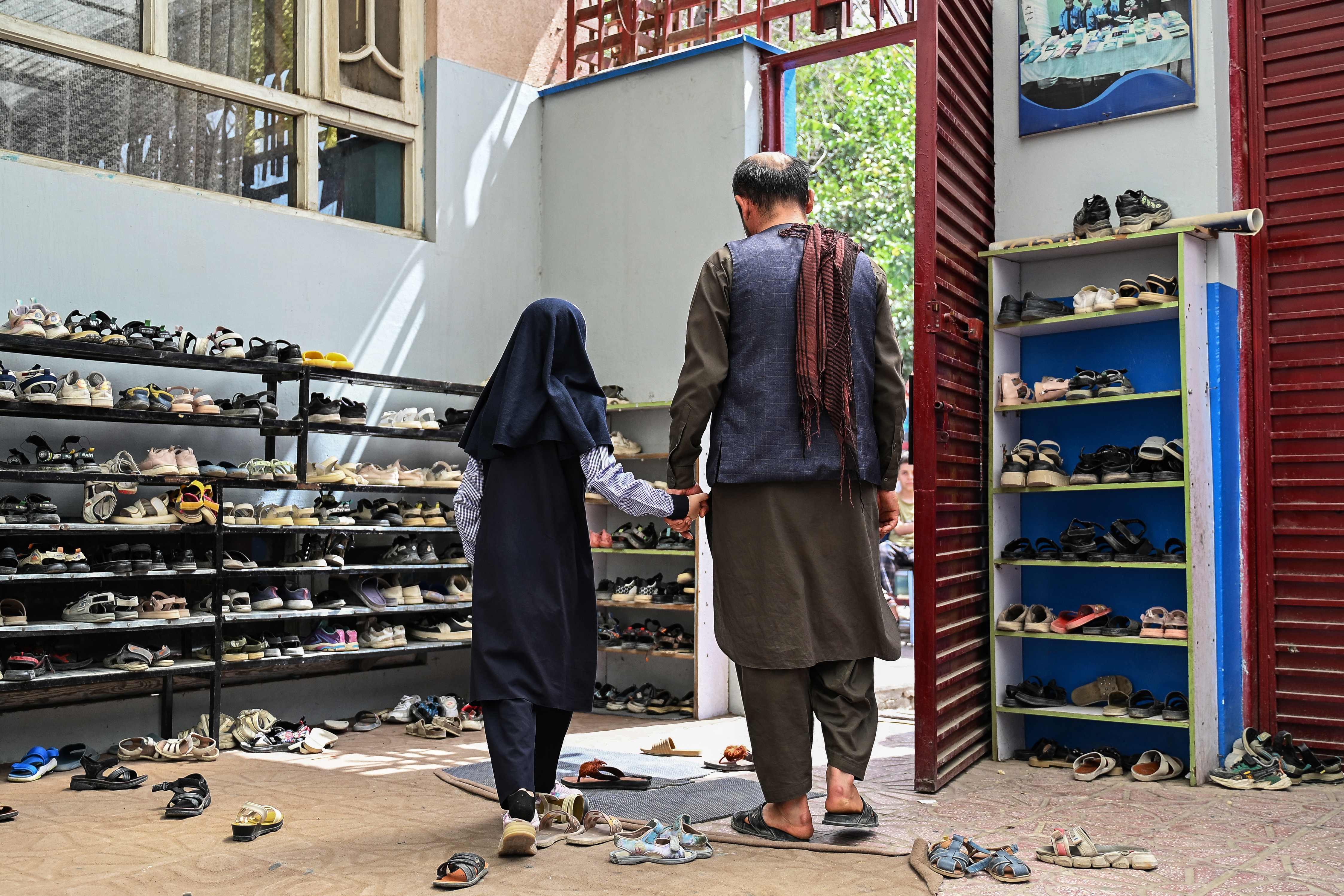
Afghanistan is now the only country in the world that formally bars girls and women from secondary school and university.
The United Nations Educational, Scientific and Cultural Organisation (Unesco) has warned the ban will eventually produce a shortage of qualified female teachers, compounding a school system already struggling with crowded classrooms, poor facilities and high dropout rates.
Even those who are broadly supportive of the administration flag the cost. "Afghanistan needs trained professionals such as doctors and engineers," Dost Mohammad Khan, a 38-year-old Kabul resident, told the Associated Press on August 14, urging authorities to keep "all sectors operational".
Silencing the press
Journalism has become one of the more visibly constrained professions.
The Committee to Protect Journalists (CPJ) ranks Afghanistan among the most dangerous and difficult places in the world to report from under Taliban rule. In 2024, authorities banned live political television broadcasts, made criticism of Taliban leadership illegal, and required media outlets to draw interview guests from an approved list of analysts.
At the same time, the Taliban built out its own media presence. By 2025, CPJ counted roughly 15 major television and radio stations, newspapers and digital outlets under its control. Hundreds of Afghan journalists are believed to have gone into exile since 2021.
A harsh justice system
The Taliban all steered a back-slide on Afghanistan’s justice system.
Human Rights Watch, citing data from the UN Assistance Mission in Afghanistan (Unama), found that courts ordered corporal punishment in at least 18 separate cases between August 2021 and November 2022, mostly public lashings for what are called "moral crimes".
The push followed an instruction from the Taliban's supreme leader that judges strictly enforce physical penalties wherever specific religious-legal conditions were met.
In December 2022, a crowd at a stadium in Parwan province watched as 27 people were whipped.
Corporal punishment had existed under earlier Afghan governments too, Human Rights Watch noted, but the Taliban-led administration now openly and routinely uses it.
Not at war, still not at peace
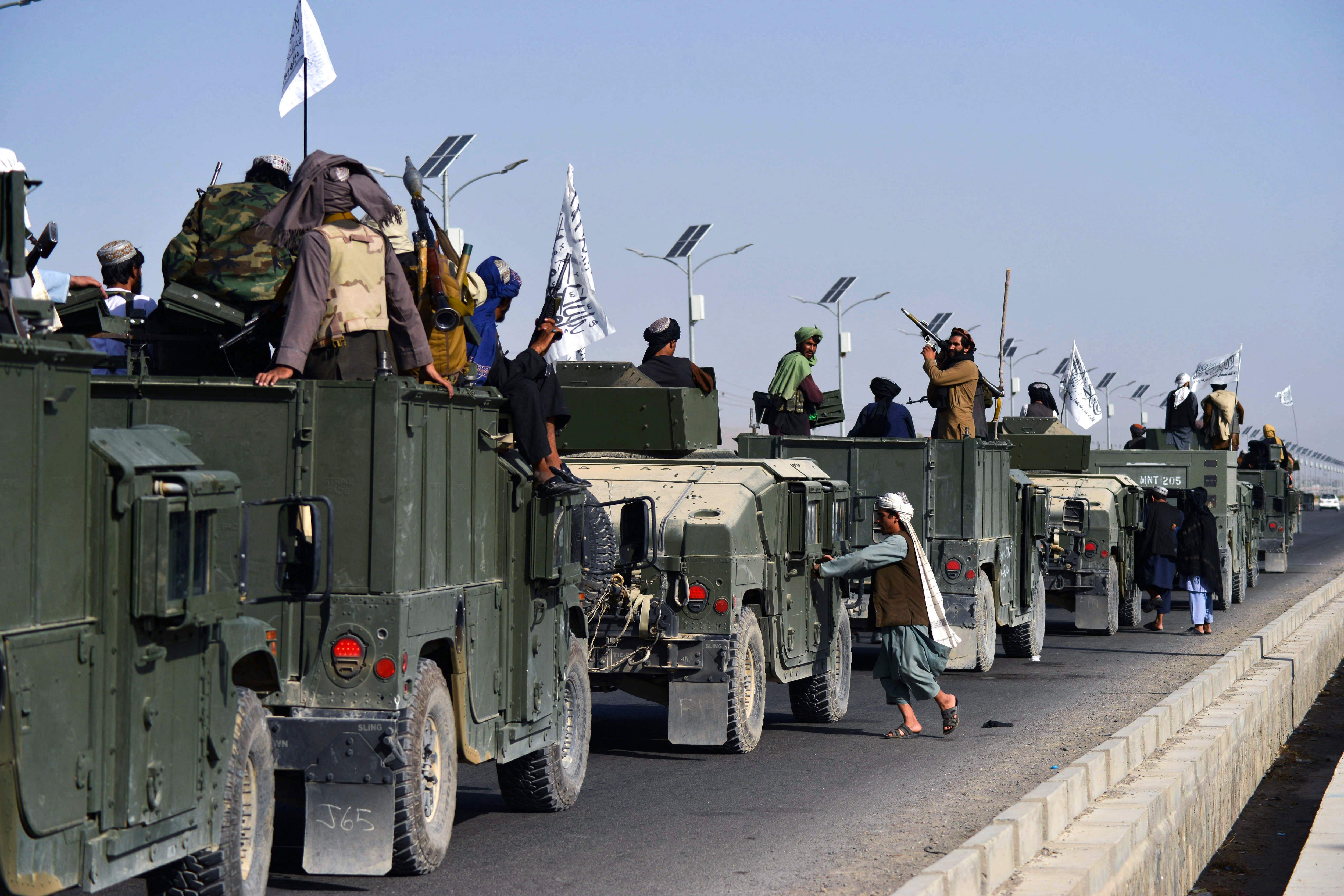
Some of the support for the Taliban comes from relief that the war ended.
"Thank God, the past five years have passed in safety," Mohammad Qasim, 30, told AP, while pressing the Taliban to create jobs for young Afghans.
But safety has not meant stability. Human Rights Watch's 2025 report documented continuing attacks by the Islamic State Khorasan Province, including strikes on ethnic and religious minorities, while the Taliban has faced separate pressure from militant groups and tension along Afghanistan's borders. The conflict has not so much ended as changed shape: from a multi-sided war to a mix of militant attacks, political repression, border friction and tightly centralised Taliban control.
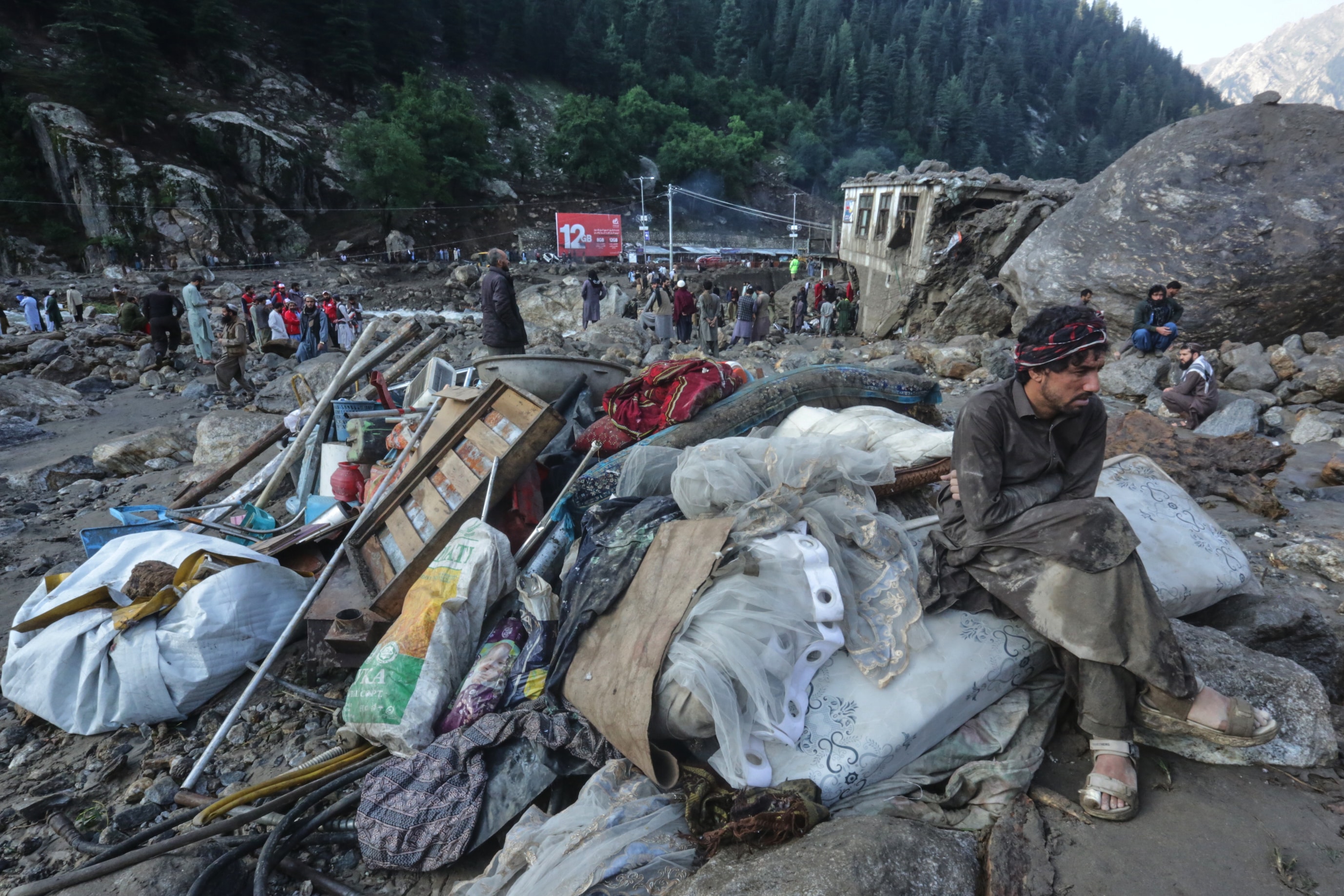
Hunger and displacement remain widespread. A World Bank assessment from May 2026 found the economy growing only modestly, with those gains outpaced by population growth and the return of roughly 3.7 million Afghans from neighbouring countries. The Bank estimated that around 14 million people faced acute food insecurity by late 2025.
Economy, and opium trade
The economy has not collapsed, and by some measures has recovered. The World Bank put real GDP growth at an estimated 4.8%, driven by domestic demand and returning migrants, and noted that Taliban authorities had pushed domestic revenue collection up to 19.8% of GDP in 2025.
Yet income per person has fallen, inflation has risen, and the country remains heavily dependent on imports. The Bank pointed to power shortages, poor access to banking, a large informal cash economy and shrinking foreign aid as the obstacles standing between growth on paper and prosperity on the ground.
Afghanistan supplied roughly 80% of the world's opium as of 2022, according to the UN Office on Drugs and Crime (UNODC).
After the Taliban banned poppy cultivation in April 2022, UNODC's 2023 survey recorded a 95% collapse in cultivation, and the value of the opium harvest fell from an estimated $1.36 billion in 2022 to $110 million in 2023.
Also read: Afghanistan: Several injured as Taliban open fire during hijab protest
But that success came at a cost to the farmers who depended on poppy for income. Cereal cultivation rose in its place, but growers in four major provinces lost roughly $1 billion in potential earnings.
"We do not want to grow poppy," Mullah Tur Jan, a community development leader in Hilmand province, said. "But we have no other alternative to feed our children."
Some farmers have shifted to cauliflower, corn, poultry and orchards through alternative development programmes, though UNODC has cautioned that the ban will only hold if rural communities get reliable, sustainable ways to earn a living without it.
Recognised by one country
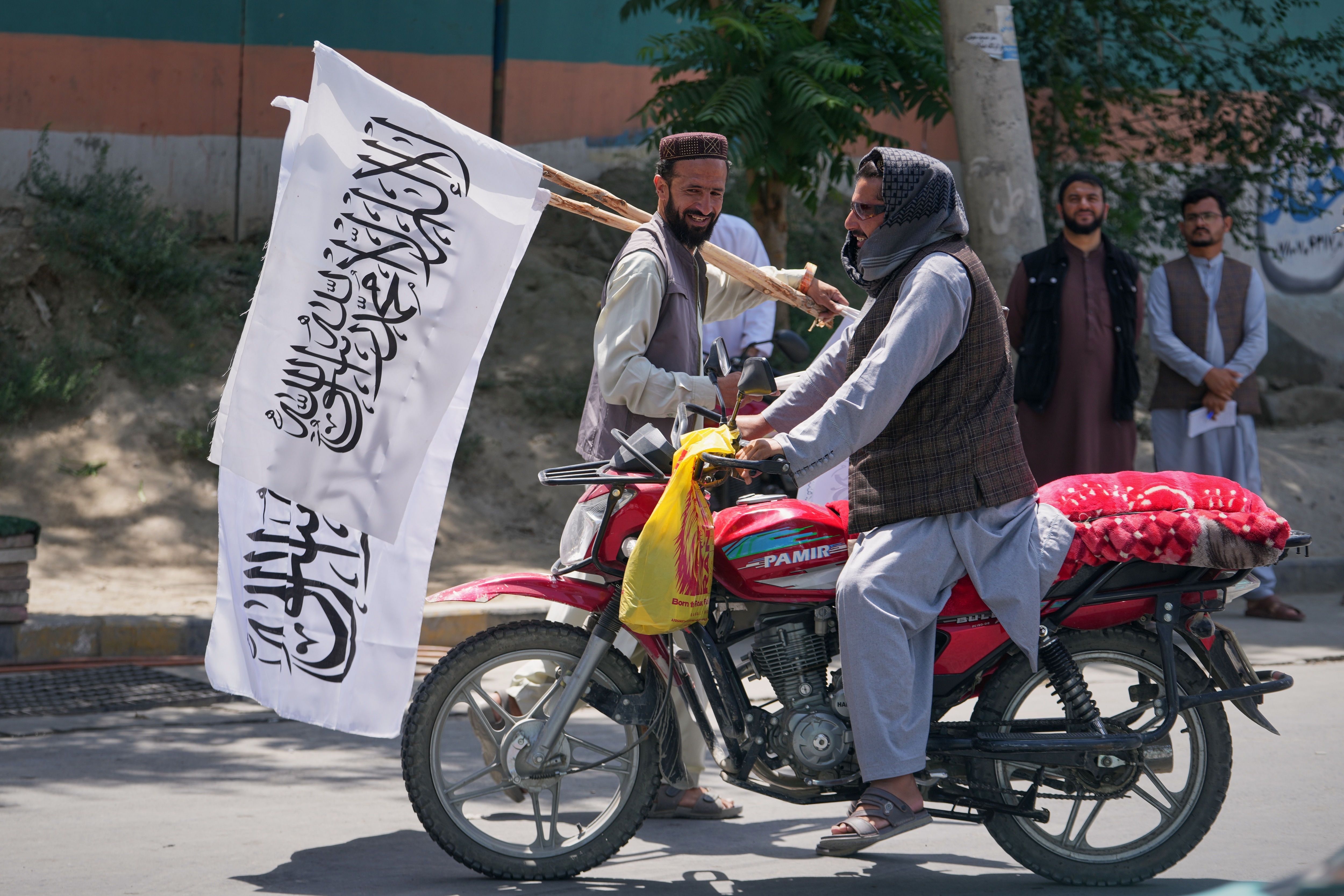
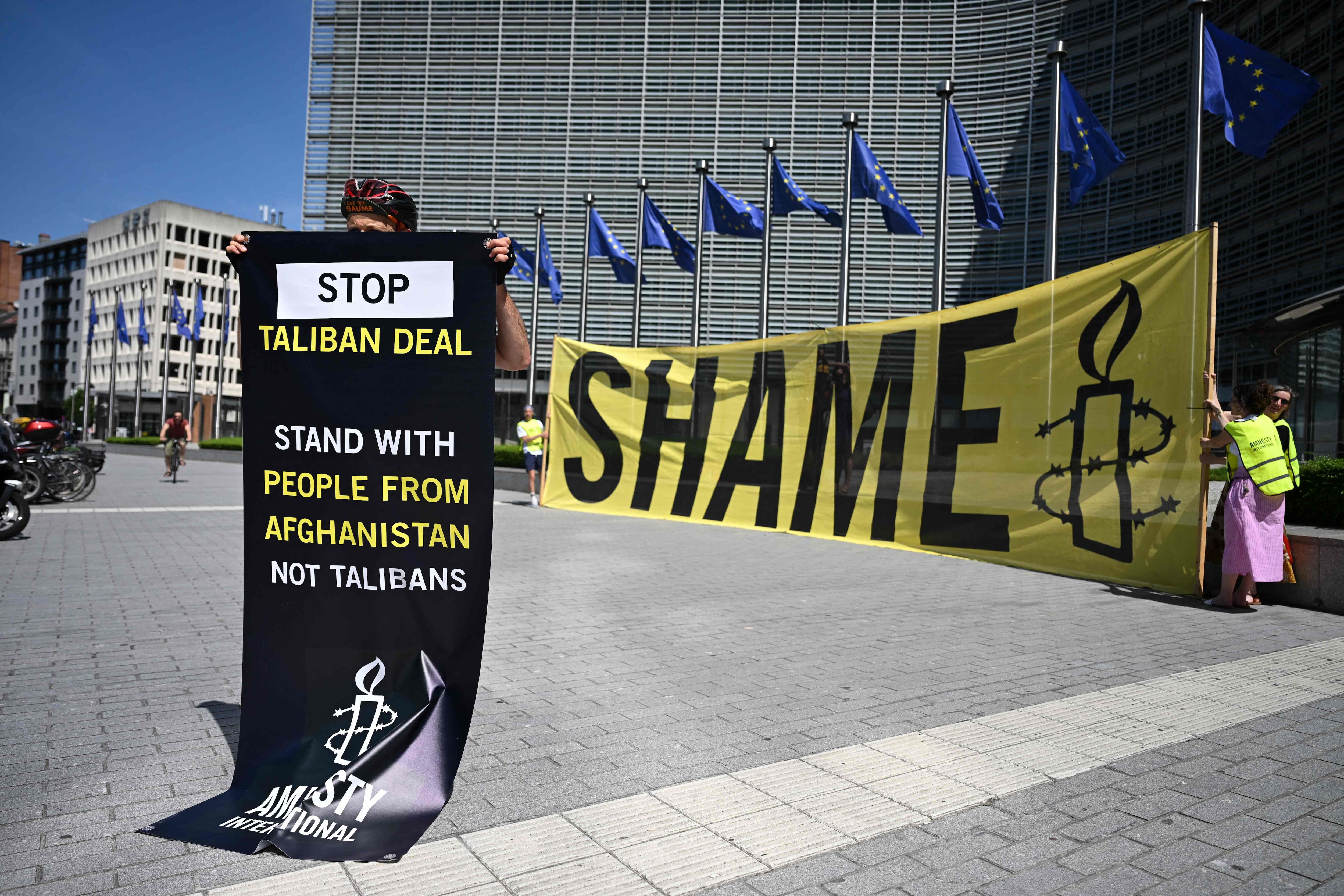
Diplomatically, Russia remains the only country to have formally recognised the administration, even as Taliban deputy minister Molvi Hayatullah Mahajar Farahi maintains that the administration is engaged with around 40 countries and has met the conditions for recognition.
India, too, has not formally recognised the Taliban government, but its engagement has grown. Taliban foreign minister Amir Khan Muttaqi visited New Delhi in October 2025, marking the first by a senior functionary of the administration to India.
That visit led New Delhi to upgrade its “technical mission” in Kabul to a full embassy and to allow the Taliban to post diplomats in the Indian capital.
Taliban-appointed diplomats now head Afghan consulates in Mumbai and Hyderabad. Three more Taliban ministers, for industry, health and agriculture, have visited India since, and New Delhi has allocated ₹150 crore for Afghanistan in this year’s budget.
The Afghan embassy in New Delhi is also holding its first “Victory Day” reception in India on August 17, with Indian government representatives expected to attend.
Separately, China and the UAE have both accepted Taliban-appointed ambassadors without formally recognising the government itself.
The United Nations has said durable stability will depend on the Taliban lifting restrictions on women and girls, protecting basic rights and addressing terrorism concerns: conditions the administration has so far barely spoken on.