
 E-Paper



Flexibility paradox for women in India’s platform economy
This article is authored by Tasmita Sengupta, senior research associate, CUTS International.

 Prefer HTon Google


The essence of platform work lies in its flexibility. Unlike conventional employment, with fixed working hours and designated workplaces, gig work allows workers, at least in principle, to decide when to log in, which assignments to accept and when to log off. Delivery, beauty services and driving can fit around other commitments. Its appeal lies in allowing paid work to accommodate the worker’s life.
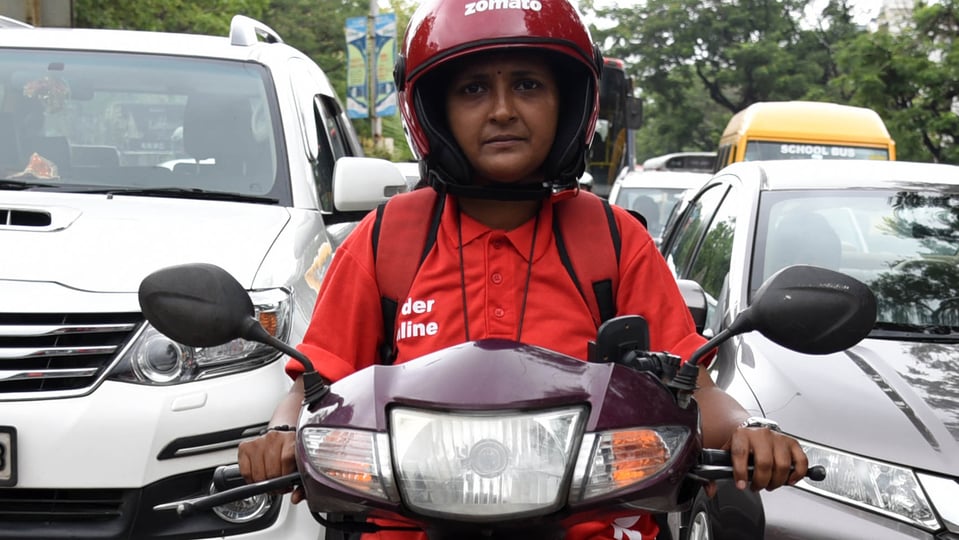
For women, this promise has particular significance. Flexible work can provide income without requiring an uninterrupted working day, strengthen financial independence and household decision-making. In India, where care responsibilities and restrictions on mobility often limit their employment choices, such arrangements can open an otherwise inaccessible door. But entering paid work and gaining control over it are different achievements.
The Economic Survey 2025–26 estimates that the gig workforce increased from 77 lakh in FY2021 to 120 lakh in FY2025. According to the September 2026 PLFS, 34.6% of women aged 15 and above participated in the labour force, while 32.8% were employed. In urban India, the proportion employed was considerably lower, at 23.5%. These numbers offer opportunities for inclusion, although rising participation alone cannot establish improvements in working conditions. The challenge is to ensure viable earnings, meaningful choice and social protection.
A randomised evaluation of internet-mediated work among women in India found that greater flexibility could increase participation, particularly when women could choose their hours and combine work with childcare. This supports the promise of flexible arrangements, while leaving a further question: Whether participation brings sufficient earnings and lasting security for women workers.
Professor Naila Kabeer’s feminist framework of resources, agency and achievements takes the argument further. Applied to platform work, access to assignments provides a resource, meaningful control over working conditions supports agency, and improved income and wellbeing constitute achievements. Flexibility contributes to empowerment only when women can exercise it. Permission to log off offers limited control if doing so means losing earnings they cannot afford to forgo.
The hurdles begin beyond the application. When the road is the workplace, toilets, drinking water, shade and safe waiting areas become conditions of employment. Their absence can determine which routes women accept and how long they work. Care responsibilities already restrict available hours; inadequate public infrastructure narrows them further.
Heat and adverse climate add an occupational burden. Available literature describes workers waiting in parks or under flyovers, riding over hot roads and struggling to rest, alongside discomfort from mandatory polyester uniforms. Uniform design, access to water and places to rest therefore deserve attention alongside working hours. The economic issue is straightforward: workers may need a break but be unable to absorb the resulting loss of income
Although paid leave and continued wages are not universal among salaried workers, platform workers generally earn only through completed assignments. Logging off to avoid dangerous weather or care for family members can, therefore, mean an immediate income loss. Higher household expenses alongside lost earnings can turn a climate event into an economic shock. Social protection is necessary to make refusal financially possible.
Platform incentives can intensify that trade-off. Where incentive payments depend on completing a target number of assignments, workers may remain online longer to secure them. If taking a break or declining an assignment jeopardises that payment, women balancing care, safety and travel constraints may find their flexibility substantially restricted.
Algorithmic management introduces another layer. Acceptance rates, cancellations, ratings and peak-hour availability may influence assignments and earnings without adequately reflecting why a worker declined or interrupted work. A childcare emergency or an unsafe destination can appear as poor performance.
An Indonesian study found that gendered expectations, amplified by platform algorithms, limited promised autonomy, highlighting how household pressures and platform rules interact.
Safety concerns and restrictions on late-night mobility narrow women’s working choices. Limited human support makes these decisions harder to contest, especially when harassment is followed by a retaliatory complaint. The challenge is, therefore, to ensure that flexibility produces practical control over work, rather than shifting the costs of care, safety and climate exposure onto individual women.
The policy response must, therefore, make flexibility usable, rather than simply celebrate it.
First, platforms should explain how assignments, ratings, cancellations and incentives affect earnings. Gender-disaggregated assessments should identify whether these rules disadvantage workers with care or safety constraints. Safety-related refusals and emergencies require contextual review. Regulators should use regulatory impact assessment when developing rules, examining effects on women’s earnings, safety and access to work.
Second, workers need trained human support for harassment, disputed penalties and account suspension. Platforms should investigate complaints fairly, preserve evidence and prevent automatic punishment while safety-related disputes are reviewed. Women workers’ collectives should help shape grievance procedures and identify recurring problems.
Third, municipalities, transport authorities and platforms should jointly map busy working locations and provide accessible toilets, water, shaded rest points and safe pick-up areas. Heat-action plans should include outdoor platform workers. Breathable clothing and appropriate alternatives should accommodate both occupational safety and women’s comfort. Childcare support should connect women to neighbourhood crèches and accredited community facilities, since a mobile workplace cannot rely on an office-based childcare model.
Fourth, social protection should follow the worker across platforms and interruptions in employment. India's recognition of gig and platform workers under the Code on Social Security provides a foundation. Benefit design should accommodate irregular earnings and recognise maternity, illness and specified caregiving periods when determining continuity of eligibility. Registration must lead to usable protection, with clear contributions, entitlements and claims procedures.
Finally, finance should support women’s entry and security through affordable loans, insurance, savings and portable pensions suited to irregular earnings. Credit assessments using platform records should avoid penalising care-related interruptions, as the ILO–NCAER policy brief suggests.
Success should be measured through net hourly earnings, unpaid waiting time, safety, grievance outcomes and continuity of protection, alongside women's participation. Flexible work can widen women's economic choices, but only when public infrastructure, platform rules and social protection support those choices. India should judge its platform economy by whether women can sustain decent livelihoods while exercising control over their time. Flexibility must benefit women.
(The views expressed are personal)
This article is authored by Tasmita Sengupta, senior research associate, CUTS International.


