
 E-Paper



Air quality deserves a place in antenatal care
This article is authored by Dr Renu Malik, gynaecologist, obstetrician, director, Malik Radix HealthCare.

 Prefer HTon Google


Each winter, as Delhi's air thickens, pregnant women are named among the groups most at risk. The phrase turns up in advisories and news reports year after year, and it has become familiar enough to pass without much thought. What it should change inside an antenatal clinic, in the questions a doctor asks and the advice a woman takes home, is discussed far less.
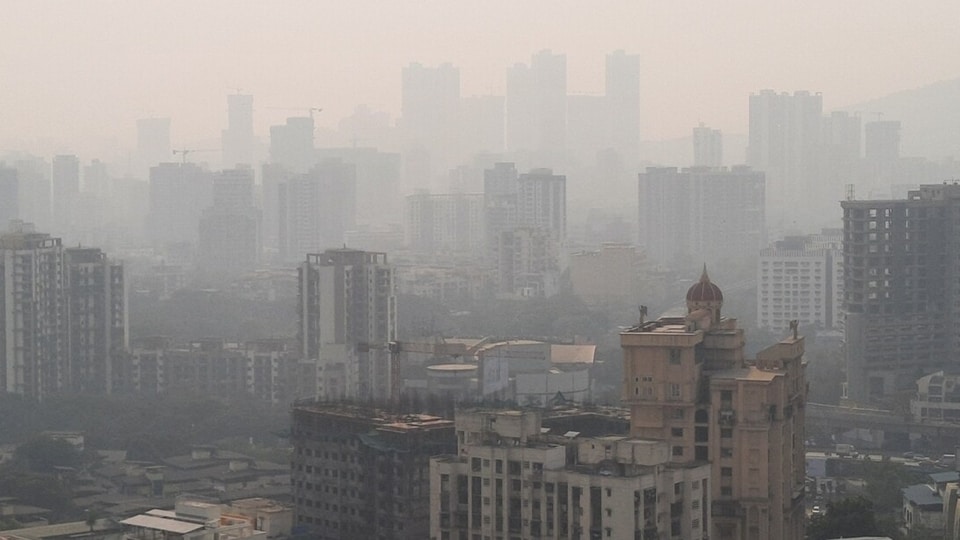
The antenatal visit is already a crowded one. Weight gain, blood pressure, haemoglobin, blood sugar and thyroid levels are checked, iron and folic acid are prescribed, vaccines are given, and a woman is told which symptoms should bring her back early. Air rarely comes into it. That holds even in a city where poor air can settle for weeks at a time between October and January, and where a pregnancy that begins in spring will carry into the smog season in its final months.
The Federation of Obstetric and Gynaecological Societies of India (FOGSI), in its educational material, describes long-term exposure to outdoor air pollution as an important risk factor for poor pregnancy outcomes. It cites studies associating that exposure with miscarriage, stillbirth, early delivery, birth defects and foetal growth restriction, where the baby does not grow as expected in the womb.
Its Good Clinical Practice Recommendations on foetal growth restriction go further. Air pollution appears there, alongside heavy metals and heat, among the environmental risk factors to be weighed at the very first antenatal assessment, so that a woman at higher risk can be watched more closely as her pregnancy advances.
The cough and the tight chest on a smoggy morning are what patients feel, but they are the least of it. PM2.5, the finer of the two particle sizes reported in daily air-quality readings, is small enough to reach the deepest parts of the lungs, and its effects are not confined there. Pregnancy leaves both mother and baby more susceptible to what the environment throws at them. The World Health Organization has reported links between a mother's exposure to air pollution and preterm birth and low birth weight, and studies focused on PM2.5 have found much the same. Researchers have gone a step further and found black carbon particles, the soot given off by burning fuel, on the foetal side of the placenta. How these particles behave once they get there is a question still being worked through.
A single smoggy day does not put a pregnancy in danger. Nor can pollution be named as the cause of any one early birth or small baby, as a pregnancy's outcome rests on too many things for that. The evidence speaks about populations. Read alongside its place in Indian guidance, though, it is strong enough that leaving air out of antenatal counselling is difficult to defend.
Exposure is also far from uniform. A teacher who spends two hours a day in an auto through heavy traffic takes in a very different dose from a woman in an air-conditioned office, though the second may still go home to a flat above a busy arterial road. A woman at home through the day has her own exposure, from cooking smoke, incense, a family member's cigarettes or a kitchen with poor ventilation. Much of it is invisible, and little of it shows up in the city's AQI figure.
FOGSI's guidance on medical disorders in pregnancy recognises the difference. For pregnant women with asthma, it advises against both active and passive smoking, and against indoor as well as outdoor pollution, including smoke from biomass cooking fuels such as wood and dung.
Asking about it takes little time. A few questions, once early in pregnancy and again before winter sets in, would cover most of it. The length of her commute, and how she makes it, tells a doctor a good deal. Whether anyone smokes at home matters, even when it is someone else in the family. The kitchen is worth a question too. And for women who work, so is the nature of the job, since some bring daily contact with dust, fumes or chemicals.
The advice that follows can be equally simple. On days when the AQI falls into the very poor or severe range, a pregnant woman can reasonably stay indoors more and put off strenuous activity outside, particularly near traffic. Some trips cannot be avoided. For those, a well-fitting mask that filters fine particles, an N95 or its equivalent, may reduce how much she inhales. At home, the largest single gain usually comes from keeping cigarettes out of the house, and cutting down on incense and opening up the kitchen while cooking helps further. A quick look at a reliable air-quality reading in the morning lets a family plan the day's travel around the cleaner hours.
There is a limit to what advice can do. A woman told only that the air is bad for her baby, with nothing she can realistically do about it, leaves the clinic more anxious and no better protected. Her exposure depends largely on where she lives and works, which is rarely something she can change in the middle of a pregnancy. Air pollution is a public-health problem first, and a mask answers only a small part of it.
FOGSI has recognised this wider responsibility. Recommendations from its International Women's Health Summit placed air quality within a consensus on environmental health and nutrition and called for broader measures to reduce pollution. Its presidential communication has carried the message "Save pregnancy and future generation from air pollution & toxins".
The link, then, is already accepted within Indian obstetrics. What remains is carrying it into everyday counselling, a step that is harder than it sounds when a single antenatal visit is already asked to hold so much.
Timing is on the side of prevention here. Delhi's smog season comes at roughly the same time each year, as temperatures fall and the wind drops. Few risks in preventive medicine announce themselves so reliably, which leaves room to counsel women in September and early October, before the worst weeks arrive.
A single question at the first antenatal visit, about the air a woman breathes through an ordinary day, would cost the consultation very little. Doctors ask about food because what enters a mother's body reaches her baby, and the same reasoning holds for what she breathes. Cleaner air cannot be prescribed. Recognising the exposure and helping a woman work around it can be, and in a city like Delhi, that conversation belongs in the antenatal clinic.
(The views expressed are personal)
This article is authored by Dr Renu Malik, gynaecologist, obstetrician, director, Malik Radix HealthCare.


