
 E-Paper


Dhruv Tripathi on casting Parineeti Chopra in Reporting Live: She has a certain sense of relatability
Filmmaker Dhruv on inspiration behind the film, why Parineeti’s relatability made her the right choice to play a reporter and cost of honest journalism

 Prefer HTon Google


The way audiences consume news may have changed with the rise of digital platforms, but filmmaker Dhruv Tripathi believes journalism's fundamental responsibility remains the same: bringing the truth to light. While the growing emphasis on numbers and online engagement has added pressure to the profession, he feels digital platforms have also opened up new ways for reporters to reach audiences. “There may be a certain section which is about numbers, but there is also a certain section that is using the digital aspect as a way to put out some very hard-hitting and true journalism,” he says.
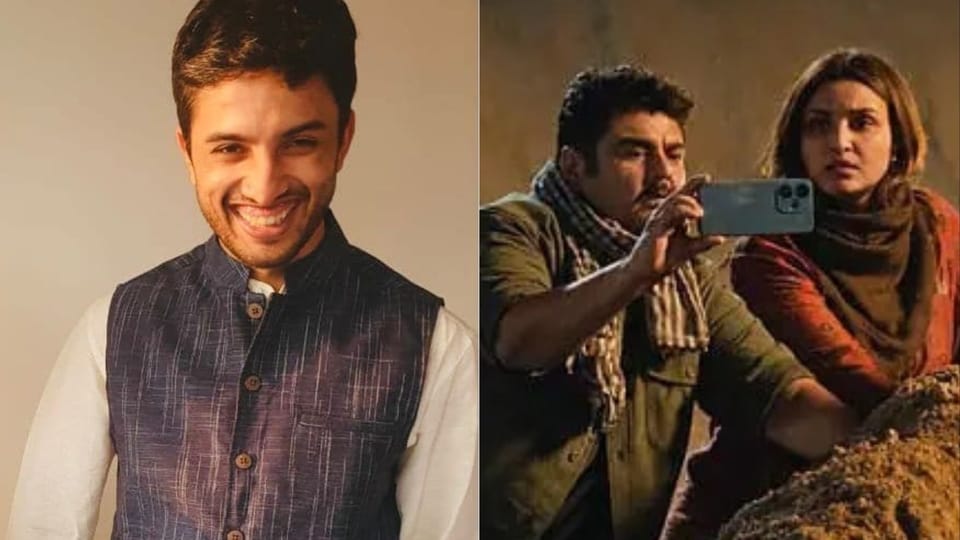
His recent film, the Parineeti Chopra-starrer Reporting Live, has received appreciation from audiences, and Dhruv believes she was the right choice for the lead role. “We needed someone who could feel relatable even as a reporter. Parineeti has a certain sense of relatability to her, which has always been one of her unique aspects. She was very thrilled and curious to play this role and brought a lot to it, having been on the other side of the media a lot of the time,” he says.
The filmmaker says the team did not let apprehensions about audience response dictate the story. “We truly believed in it as a story that we wanted to bring out to the world and as a story that we needed to tell. I don’t think anyone can ever preempt how people are going to react. What is in our control is telling it with a certain honesty and conviction that would move us as people who are also part of society and this world,” he explains. He believes that sincerity is what ultimately helps a story connect with audiences, irrespective of its genre. “As a society, we crave good and honest storytelling, whatever that may be, whether it’s fantasy or real. Sometimes stories can be inspired by true events, sometimes they can come from a dream that someone has. As long as there is an honesty in the way you are saying it, it can connect with the audience,” he adds.
Reporting Live, which revolves around an illegal sand-mining racket run by a ruthless syndicate, grew out of a conversation with co-writer Mihir Jadhav about people stealing sand. Curious about the trade, Dhruv began researching the subject and was struck by the scale of the ecosystem surrounding it. “I didn’t really know about the whole world of illegal sand mining and the sand market. I went back home that night and didn’t sleep all night because I was caught up in researching how big a subject it is. Sand can seemingly feel like such a simple commodity, but it actually has this whole world and ecosystem built around it. I came back the next day having not slept and said, let’s put everything else aside. I see a film here,” he recalls.
The research also brought him face to face with accounts of journalists, IAS officers and policemen who had faced threats or lost their lives while exposing illegal activities. This, he says, gave the film a larger purpose than simply telling a crime story. “We realised that there was a much bigger responsibility than just making a crime film. It was about the cost of truth and the fact that there were a lot of ordinary people going against the grain to bring this to light. We wanted to highlight those ordinary people through the film,” he says.
Drawing a parallel with journalism today, Dhruv points out that technology has made it easier for reporters to take their work directly to audiences. “There are people who are against the grain, field reporters out there picking up a camera, which earlier perhaps didn’t have the technical aspects to do that. Today, they can pick up a phone and bring those stories to the audience and society. There will always be people throughout time who will find it in them to use the technology, use the digital aspect also to bring out the truth to the audience,” he says.
However, he does not believe the pressures journalists face are exclusive to the digital age. “As much as there have always been pressures with journalism and there will be, I don’t think that part of journalism or life will ever go away. In every industry and every profession, there will always be two sides to the coin. I do believe that there will always be people who use those tools to keep the sanctity of journalism,” he signs off.


