
 E-Paper



Is your child distressed at school? Signs parents should watch out for
Recent child assault cases in Delhi have parents worried. Psychologists share signs to watch for and ways to help children speak up about distress at schools.

 Prefer HTon Google


The two recent disturbing instances of children being assaulted in the Capital — a three-year-old by staffers at a daycare and a nursery student sexually assaulted on a school bus — have sent shockwaves across the city. Parents are on high alert, raising questions about how they can protect their child, who may be too young to have the vocabulary or confidence to explain distress, assault, or bullying faced in school, daycare, or elsewhere.
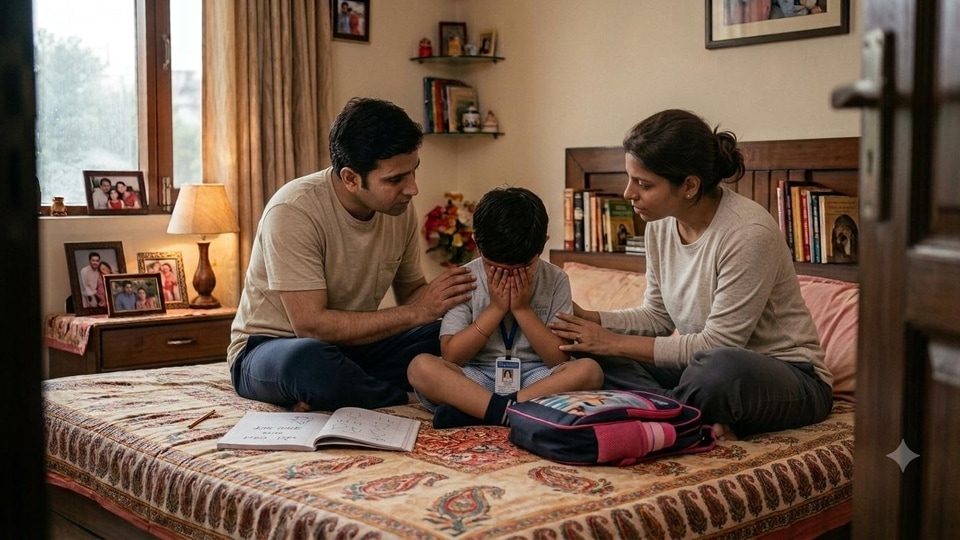
Warning Signs
Dr Rakhi Anand, Senior consultant psychologist, points to possible indicators including:
- Sudden reluctance to go to school
2. Frequent crying or irritability
3. Changes in sleep or appetite
4. Nightmares
5. Regression in previously acquired skills
6. Increased clinginess
7. Unexplained physical complaints such as stomach aches or headaches
8. Aggression
“These signs do not necessarily mean that the child has been harmed at school, but they warrant gentle exploration and attention,” she explains.
What Next?
Once the child expresses their concerns, the parents’ response becomes very important, says child psychologist Dr Sarika Boora. “Most importantly, parents should show calmness and not show any panic or anxiety to their child after they have opened up or expressed a concern. Neither should they show any disbelief or doubt, nor put any blame on the child. Reassurance is also important. Let the child know it’s not their fault, as that will prompt them to open up more. Do not make any promises to the child, such as ‘we will speak to the teacher’, because they will fear going to school.”
Neha Cadabam, Senior psychologist, adds, "If there is suspected abuse, the priority is to remove the child from further risk and seek legal intervention. A child psychologist can assess the emotional impact and provide support.
What to say to your child
Keep it open-ended: Instead of asking, “Did someone hurt you?” try: “What was the best part of your day? What was the difficult part? Did anything happen today that made you feel sad, scared, angry or uncomfortable? Is there anyone at school you feel scared or uncomfortable around?”
Don’t repeatedly question: Asking the same questions or suggesting answers can increase anxiety and make them withdraw further.
Allow them to express freely: Drawing, storytelling, using dolls, or pretend play can help them express experiences they may not be able to describe directly.


