E-Paper



Festive drink | The many flavours of Holi: A thandai special – from Varanasi to Lucknow and Delhi!
Thandai is more than just a festive drink, it is a cultural legacy that blends mythology, tradition, Ayurveda, regional identity, and modern reinvention.

 Prefer HTon Google


Holi is just around the corner and while colours and celebration define the festival, what is equally quintessential is gujiya and thandai. For food lovers across India, these festive staples are non-negotiable. Though thandai is enjoyed nationwide, it is widely believed to have originated in Varanasi, the land of Lord Shiva.
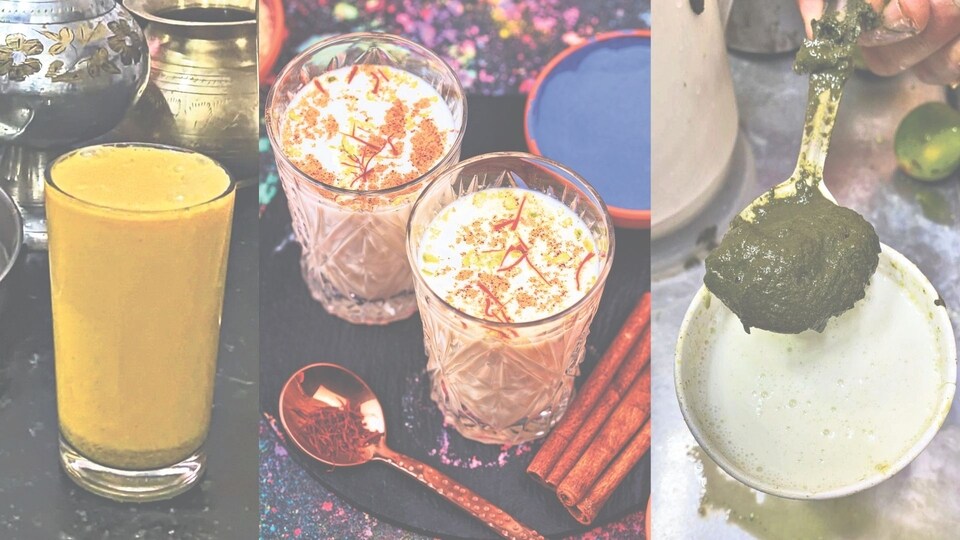

According to mythology, when Lord Shiva returned after marrying Goddess Parvati on Maha Shivratri, he and his entourage were offered a cooling drink - thandai. Since then, the beverage has become closely associated with Shivratri and Holi celebrations, symbolising refreshment as winter gives way to summer.
A legacy steeped in divinity
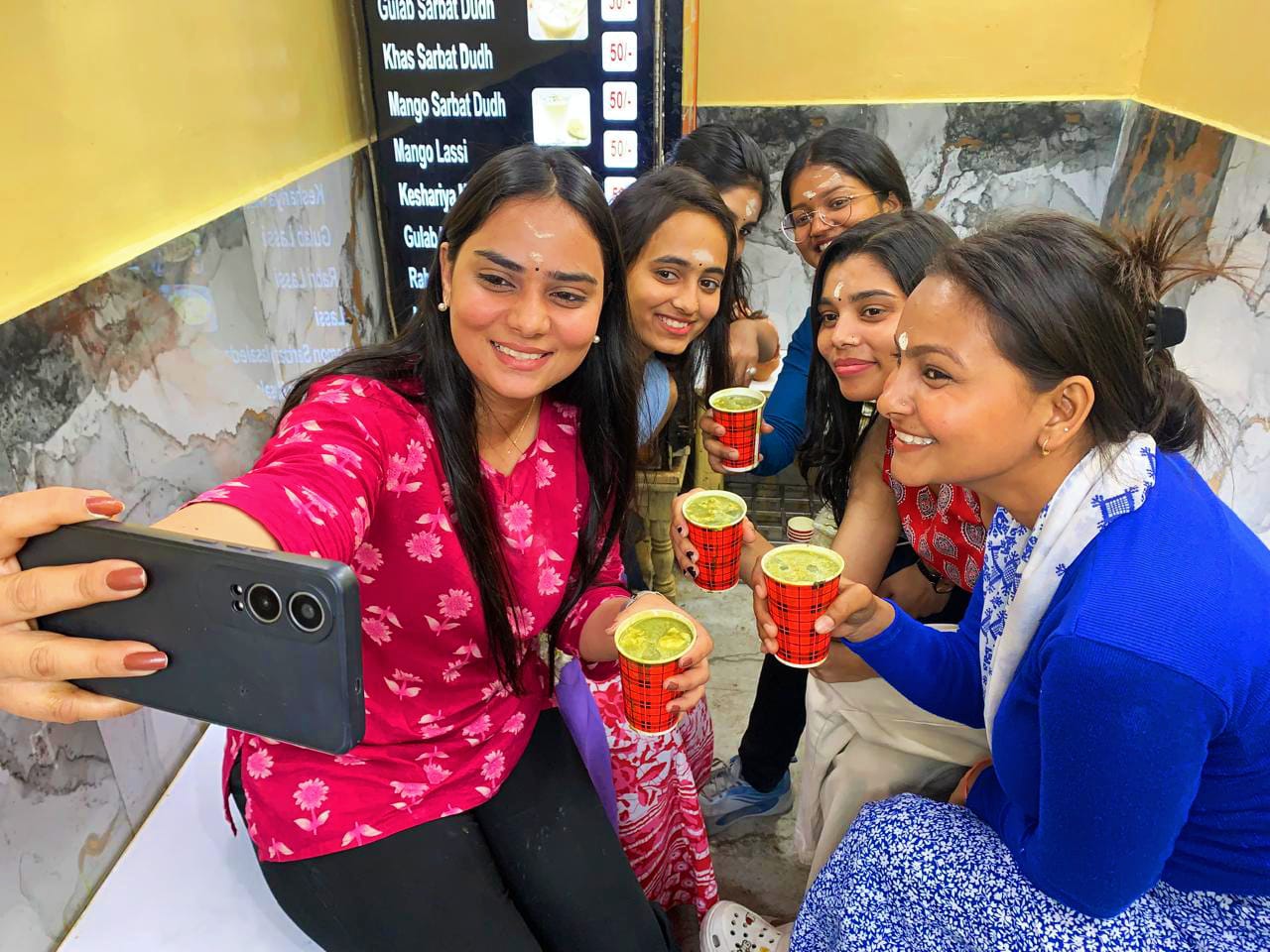
At over 70-year-old Badal Thandai in Varanasi, fifth-generation owner Narendra Kesri shares that the festivities begin as early as Rang Bhari Ekadashi (Feb 28) the day Goddess Parvati is believed to visit Kashi with Lord Shiva for the first time after leaving her maternal home post marriage. The divine couple play Holi with the people of Kashi on this day, blessing them with love, harmony and joy.
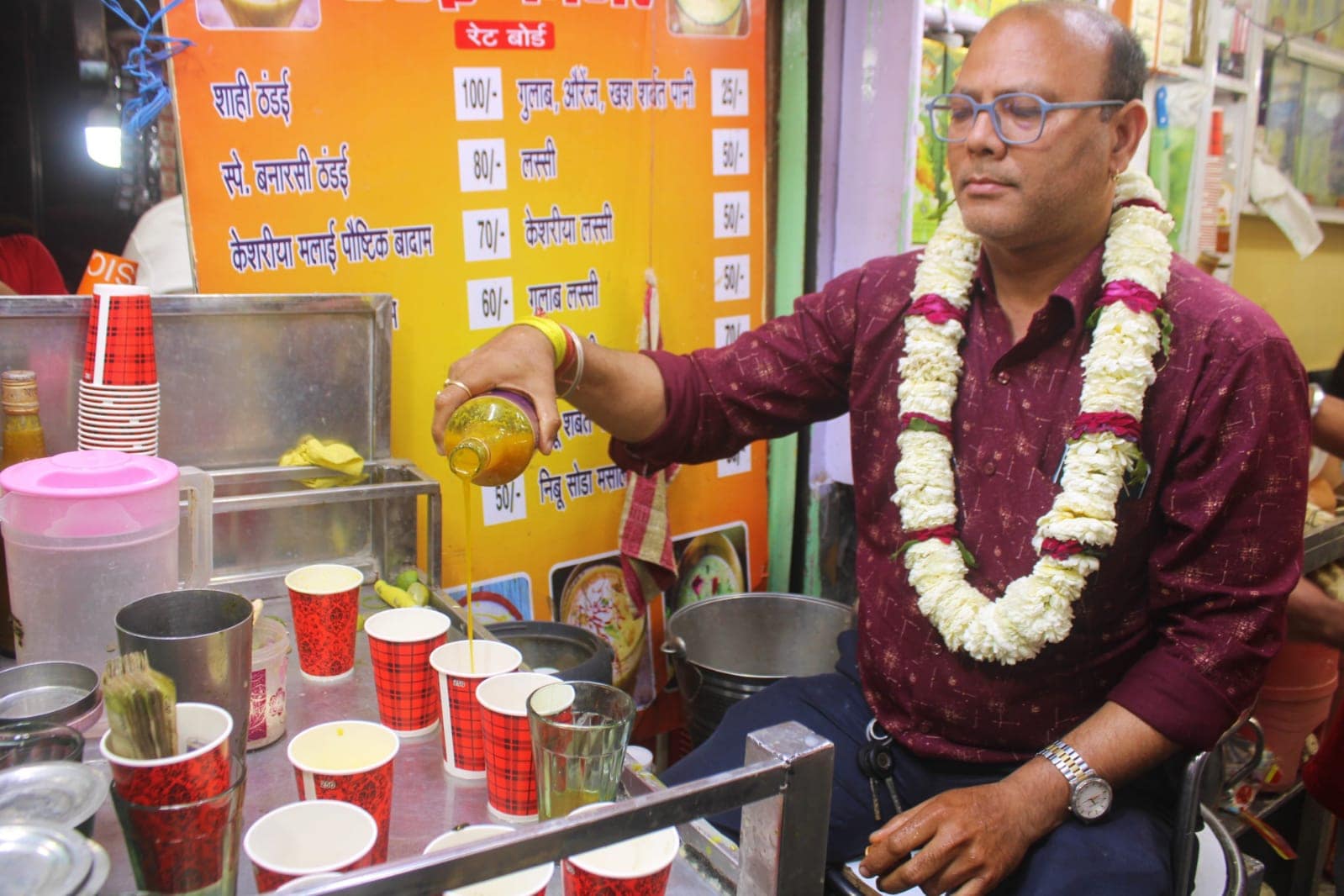
“From Basant Panchami to Shivratri and until Holi, this is our peak season,” he says. “We use top-quality ingredients — kesar, cashews, almonds, house-prepared thick malai and our own blend of masalas. Our bhang-infused thandai is especially popular. In the city of Lord Vishwanath, serving thandai feels like a blessing.”
The shop has also found its place in pop culture, serving as a filming location for movies including Gangs of Wasseypur.
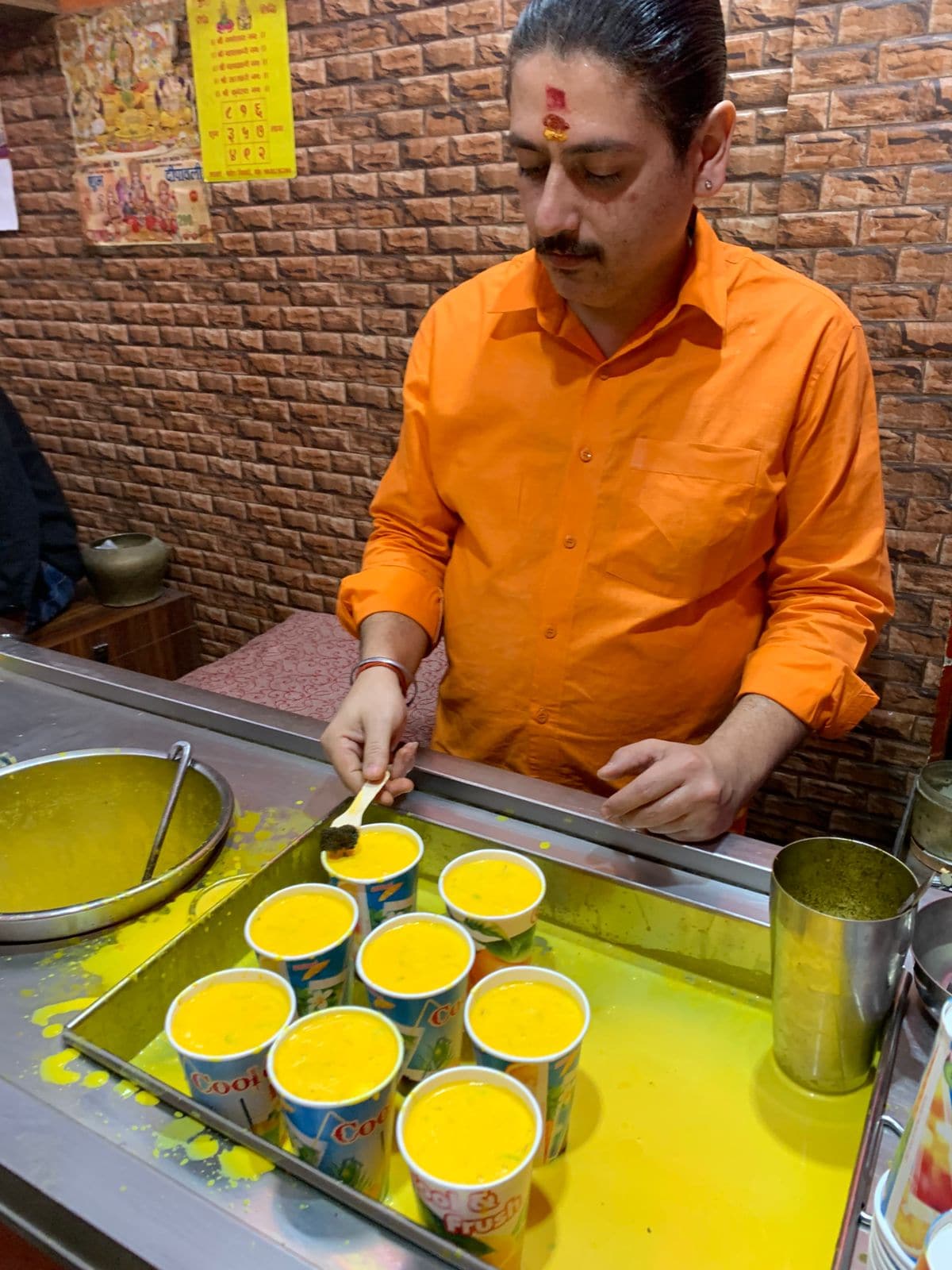
Akshay Sarin of Baba Thandai in Varanasi says, “My grandfather, Amar Nath Sarin, started this in 1950, and I now represent the third generation of the family. We prepare only Kesar Pista Badam using pure milk, along with cashew, pistachio, almond, saffron and cardamom. We don’t add anything else, it’s a simple recipe that anyone can make. Yet, people often tell us they can’t replicate the same taste at home. We believe it’s Bole Baba’s blessings. Tourists often try the bhaang version, and locals enjoy it too.”
Lucknow’s iconic stop
In Lucknow, Raja Thandai has been a Holi landmark since 1936. Founded by Pt. Shiva Dhar and now run by third-generation owner Raj Kumar Tripathi, the shop draws patrons from across the country. “From actors to top politicians, including former prime ministers Jawaharlal Nehru, Indira Gandhi and Atal Bihari Vajpayee, have visited us,” he says.
Their most sought-after variant is the ‘hari wali’ — bhang-infused thandai. Prepared with full-fat milk, fennel seeds, cardamom, white pepper, saffron, a mix of five seeds (watermelon, pumpkin, cucumber, kakdi and bottle gourd), rose water, sugar and generous dry fruits, the drink remains a festive essential on Shivratri and Holi.
The Ayurvedic connection
Food historian Anoothi Vishal explains that Indian festive foods are deeply rooted in agrarian cycles and Ayurveda. “Thandai is a cooling drink made with ingredients known for balancing the doshas as summer approaches. Saunf, poppy seeds and various melon seeds were traditionally valued for their calming and cooling properties. Since Holi marks the onset of warmer weather, thandai naturally became the beverage of choice.”
A modern twist in the Capital
Bringing a contemporary spin to tradition, ISKCON Temple Dwarka is offering 108 variations of thandai this Holi. Keshavpriya Devi Dasi, head of department at Govinda’s Kitchen, says, “As younger generations embrace spirituality in modern ways — through bhajan clubbing and devotional concerts — we’ve reimagined thandai too.”
The offerings range from healthier options like sugar-free, dates and oats thandai to fruity flavours such as blueberry, mulberry and strawberry, along with chocolate and aromatic infusions. From centuries-old recipes in Varanasi and Lucknow to inventive reinterpretations in Delhi, thandai remains at the heart of Holi — a drink that cools, nourishes and carries forward a vibrant cultural legacy.