
 E-Paper



Kokum goes international: How India’s indigenous souring fruit is moving from sol kadhi to chocolate and cocktails
Kokum is moving beyond sol kadhi and curries, finding new life in ceviche, risotto and cocktails as chefs explore its layered acidity and Indian identity

 Prefer HTon Google


For generations, kokum has been a familiar souring agent in kitchens across India’s western coast, particularly Maharashtra, Goa and coastal Karnataka. The dried rind of Garcinia indica is traditionally used in curries, while the fruit also goes into drinks, pickles and other preparations. Now, chefs and bartenders are treating the indigenous fruit less as a regional speciality and more as a versatile culinary acid, using it in ceviche, seafood, chocolate, coffee, cocktails, sauces and desserts.
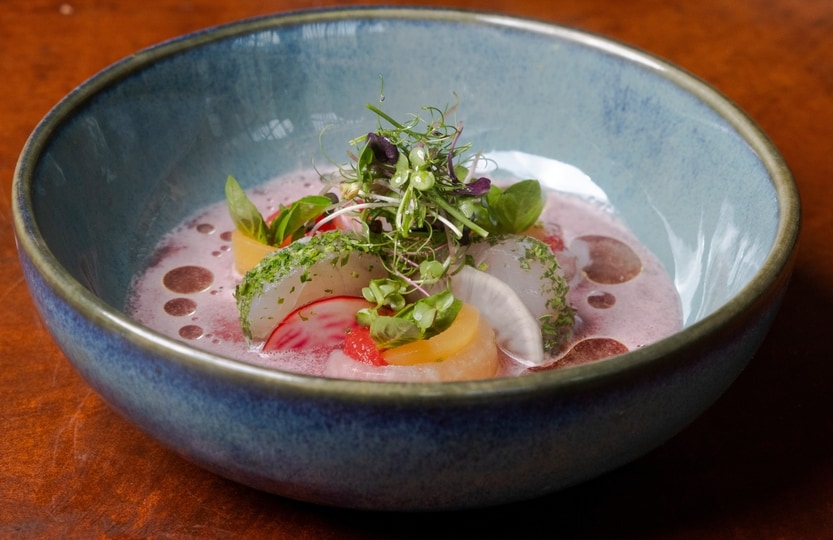
The shift is not about replacing kokum’s traditional identity. Instead, its deep sourness, subtle fruitiness, colour and earthy notes are being applied to global formats, from a Peruvian-style ceviche and Italian-inspired risotto to a margarita and coffee.
From Konkan souring agent to global ingredient
Scientifically known as Garcinia indica, kokum is native to parts of India, particularly the Western Ghats and the Konkan region. The fruit ripens from green to red or dark purple, and its rind contains organic acids including citric acid and hydroxycitric acid, along with anthocyanins and other compounds that contribute to its characteristic colour and flavour. Its traditional culinary role is as an acidulant in curries and beverages.
Chef Pranav Sawant, founder and chef at Nuèe, Pune, sees that acidity as the ingredient’s greatest strength.
“Kokum embodies an extraordinary interplay of vibrant acidity, nuanced fruitiness, and remarkable depth, making it an exceptionally versatile ingredient in contemporary gastronomy.”
At Nuèe, he uses it in European and globally inspired preparations, rather than limiting it to Indian dishes.
“Rather than dominating the palate, kokum lends an elegant brightness that accentuates every component of the dish, demonstrating how India's regional ingredients can seamlessly transcend cultural boundaries and command a distinguished place within the vocabulary of modern international cuisine.”
That approach appears across Nuèe’s kokum-led dishes: Dark Chocolate & Kokum Délice, with kokum gel, berry compote and cocoa crumble; Kokum Coconut Seafood Risotto, with coconut milk, kokum reduction and grilled seafood; Grilled Cottage Cheese Steak with Kokum Pepper Glaze; Wood-Fired Butter Fish with Kokum Herb Emulsion; and Crispy Cottage Cheese with Smoked Kokum Glaze.
For Sawant, however, experimentation starts with understanding where the ingredient comes from.
“Having been born and raised in a Maharashtrian family, kokum has always been far more than a culinary ingredient to me—it is an intrinsic part of our heritage, our home kitchens, and our way of life.”
He adds:
“True culinary innovation does not lie in abandoning tradition, but in elevating indigenous ingredients onto the global stage with authenticity, respect, and technical finesse.”
Why chefs are choosing kokum over citrus
One of kokum’s biggest advantages in contemporary cooking is that it can deliver acidity without simply replicating lemon or lime.
Saket Agarwal, co-founder of Latoyá, recently used it in a Seabass, Kokum & Melon Ceviche, where kokum replaces the expected citrus profile.
“We chose kokum because it delivers bright acidity with subtle fruitiness while adding a distinctly Indian identity to a dish that's traditionally built around citrus. It brings freshness and complexity without overpowering the delicate flavour of the fish.”
The dish sits within a wider tradition of using Indian souring agents in global techniques. Kokum has previously been used in ceviche-style preparations by chefs including the late Floyd Cardoz, whose work at The Bombay Canteen included a red snapper ceviche with kokum sol kadhi. Food coverage has also documented chefs using kokum in contemporary seafood preparations.
Agarwal says the ingredient’s appeal lies in more than acidity.
“It's the combination of all those qualities. Kokum offers acidity, gentle fruitiness, natural colour and a strong sense of place.”
That combination also explains why it can cross formats.
“That balance allows it to work across savoury dishes, beverages and even desserts, making it one of the few regional ingredients that transitions effortlessly across formats.”
At O Pedro, kokum continues to be used within Goan-inspired food while appearing in preparations that borrow from broader culinary techniques. The restaurant’s menu currently includes Cardoz's Chicken Chilli Fry, Lotus Root Chilli Fry and Pork & Bacon Am-Sol, all using kokum.
From seafood to chocolate
Kokum’s new territory extends well beyond savoury food.
At Manam Chocolate, it features in a Kokum Dark Chocolate Iced Beverage, as well as kokum Americano and pour-over preparations. The pairing was not conceived as an attempt to substitute tamarind or citrus. Instead, the connection came from cacao itself.
As the Manam team explains, cacao can carry notes of tropical fruit, mangosteen and florals, making kokum’s tartness a natural extension of those flavours.
The iced preparation combines a light kokum profile with Manam’s 60% and 67% dark chocolate couverture, whose existing flavour notes include citrus, balsamic, raspberry and strawberry.
“Kokum was never about substituting tamarind or citrus. It came directly from the flavour notes of the cacao fruit itself, which we articulate as mangosteen, tropical fruit, and floral.”
The coffee experiments have been equally unexpected.
“Expect the coffee to be fruity and acidic, rounded off with bitterness, yet kokum's tang worked beautifully along with it.”
Manam’s kokum iced chocolate has also been reported as part of its summer menu, while its kokum pour-over has emerged as another unusual pairing.
For Manam, the ingredient also carries a strong memory of Indian summers.
“There is a growing awareness that kokum as an ingredient is something that chefs are increasingly using, the way Kerala and Mangalorean and Maharashtrian cuisine has always used it.”
Kokum behind the bar
Cocktails may be where kokum’s transition into a global flavour language is most obvious.
At Grammie, bar manager Ashwin Sanotra uses kokum in Mandarita, a spicy margarita-style cocktail made with kokum-infused tequila, fresh mandarin, jalapeños, citrus and an oregano-salt rim.
He distinguishes kokum from more familiar souring ingredients:
“Kokum offers a very different kind of acidity compared to citrus or berries. While citrus delivers a bright, sharp freshness and berries contribute sweetness with mild tartness, kokum brings a deeper, more rounded sourness with subtle fruity, earthy, and slightly smoky notes.”
Its depth, he says, makes it particularly useful in drinks where several flavour elements need to be balanced.
“It adds complexity without overpowering the drink, making it an excellent ingredient for cocktails that aim to balance sweetness, spice, and acidity.”
The flavour also works with spirits including tequila, gin and rum, giving familiar cocktails a distinctly Indian character.
But bartenders still have to introduce diners to the ingredient.
“Most guests are still discovering kokum in cocktails, so it often starts with a conversation.”
That discovery is part of the appeal, particularly as diners become more interested in indigenous ingredients and locally rooted cocktails.
At IAH Bar, The Roseate, lead mixologist Deepak Pandey describes kokum in similarly layered terms.
“Kokum has that same bright acidity you would want in a cocktail, but underneath it there's a deep, almost smoky, wine-like tannic note that citrus doesn't have and berries can't replicate.”
For him, kokum behaves less like a finishing accent and more like a building block.
“It behaves less like a garnish note and more like a base flavour you can build a whole cocktail around, the way you would with a good bitters or a shrub.”
Demand, however, is still developing.
“We're at the stage where kokum needs a little storytelling to open the door, but once guests try it, they come back asking for it specifically. I would say we're cultivating the demand right now, not chasing it.”
The coastal connection remains
Even as kokum moves into unfamiliar formats, chefs continue to pair it with ingredients and techniques that reflect its coastal roots.
At Titlie, Goa, chef and co-founder Tarun Sibal uses it in Fenny and Kokum Cured Salmon with Melon and Cashew Cream.
“It's a coastal love letter - bright, briny salmon, kissed with kokum, mellowed by sweet melon and silken cashew cream.”
Chef Nishant Choubey, meanwhile, uses kokum at Novu, Mandawa Jetty, Alibag, including in bocconcini with kokum gazpacho.
He sees kokum as an acid that can be deployed in the same way chefs use citrus or vinegar.
“Kokum has incredible potential beyond Indian cuisine. I like to treat it as a natural acid, much like citrus or vinegar, and use it to bring brightness and complexity to contemporary global dishes.”
Its pairing potential, he says, extends particularly well to rich ingredients.
“Its beautiful tartness works particularly well with fatty ingredients such as salmon, while its subtle fruity notes add another layer deep flavour.”
And the range is broad enough, in his view, to carry an entire meal.
“One can derive the entire degustation based on kokum, starting from appetisers to desserts.”
Why kokum is having its moment now
The renewed interest is being driven by both chefs and diners.
Agarwal believes the rediscovery began in professional kitchens, where chefs were actively looking towards regional ingredients for new flavours and ways to tell Indian stories on the plate. Social media, he says, has accelerated consumer awareness, but the ingredient’s adaptability is what has sustained interest.
Manam Chocolate similarly sees kokum’s movement into new formats as part of a broader shift towards cuisine-agnostic ingredients rather than a fleeting food trend.
Its traditional footprint gives the ingredient a strong starting point. Scientific literature records kokum’s use across Maharashtra, Goa and coastal Karnataka, particularly as an acidulant for curries and as a base for summer drinks.
Its rind also contains anthocyanins that contribute to its dark red-purple colour, while its organic acids give it the sourness that makes it useful as a culinary acid.
That combination of acidity, colour, fruitiness, regional identity and versatility is now being tested far beyond the dishes in which kokum has traditionally appeared.
From sol kadhi to the global plate
The kokum story, then, is not simply about an Indian ingredient becoming fashionable. It is about chefs changing the context in which the ingredient is understood.
It can still be the souring agent in a Goan curry or the base of a cooling summer drink. But it can also be a glaze for cottage cheese, an emulsion for butter fish, an acid for ceviche, a component of a risotto, a partner for dark chocolate, a coffee accent or the foundation of a cocktail.
For Sawant, that evolution is ultimately about taking regional knowledge forward without stripping it of its origins.
“When chefs embrace their roots, they don't merely create exceptional dishes—they preserve a legacy while shaping the future of gastronomy.”
Kokum’s international journey is still being written, but the ingredient has already crossed one important boundary: it is no longer being viewed only through the lens of the cuisine it came from. It is increasingly being treated as a globally useful culinary acid with a distinctly Indian flavour identity.


