
 E-Paper


Adapting to AQI: Delhi’s hotels and restaurants step up to face the smog
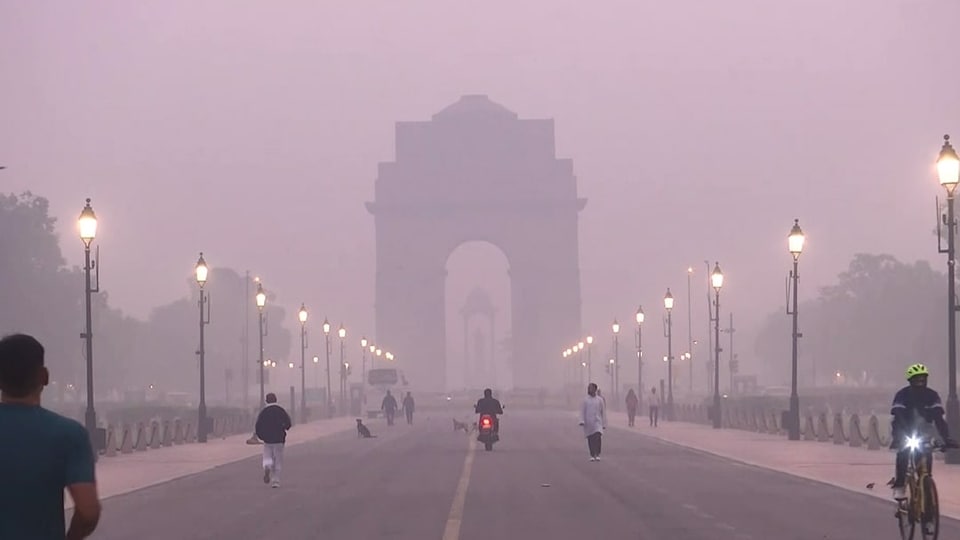
With Delhi’s AQI now crossing 300, hotels and restaurants are stepping up air-quality measures, from advanced filtration systems to cleaner air dining spaces.

 Prefer HTon Google


As Delhi braces for another winter of poor air quality, hotels across the city are going the extra mile to improve air quality within their premises and in the surrounding areas.
If you’ve crossed Sardar Patel Marg recently, you may have noticed the misters outside ITC Maurya. “We have installed a misting system along the hotel’s road-facing boundary to help reduce dust dispersion and improve the surrounding microclimate,” says Amaan R Kidwai, area manager luxury hotels (North) and general manager. As part of its responsible luxury philosophy, the hotel has also introduced fibrous filtration technology to capture microscopic dust particles, including PM2.5.
The Taj Palace, New Delhi’s proximity to the Delhi Ridge and landscaped gardens makes indoor air quality a key focus. “Guestroom AQI is maintained at 50, while lobby displays provide readings updated twice daily. Individual air purifiers and dehumidifiers are also available on request,” says Praydhumna Singh Rathore, general manager. Electrostatic air cleaners are also being used in its central air-handling units to filter pollutants, fine dust, smoke particles, pollen, mould spores and other airborne pollutants before air reaches guest rooms. The hotel also conducts continuous monitoring through its engineering team and periodic assessments by external laboratories, Rathore adds.
At Taj Mahal, New Delhi, the focus is on a multi-stage filtration system using Swedish technology, with medical-grade H13 HEPA filters across the property and electronic air filters in guest rooms. Anmol Ahluwalia, the hotel’s area director – operations and general manager, says, “Our monitoring system tracks and keeps CO2 levels below 1,000 parts per million... We have also started to conduct quality assessments through our in-house microbiologists and engineers, along with external authorised experts.”
Meanwhile, The Leela Palace New Delhi has strengthened air purification across all 250 guest rooms and suites with dedicated multi-layer filtration to capture PM2.5 particles and harmful gases.
What are hotels doing
Tausif Alam, who runs a tandoor shop in Malviya Nagar market, says the eatery has increased its stock of electric tandoors this year. “Last year, there was a strict ban on coal and firewood tandoors in Delhi. This year we are getting electric tandoors in place. There may be a slight difference in taste as the distinct flavour of tandoori food comes from cooking over coal. Depending on the feedback, we might also tweak our menu.”
A spokesperson for an alfresco restaurant in Vasant Kunj noted that they’re also weighing structural tweaks. “We are looking at converting this into a closed terrace space. We will be keeping a check on real-time AQI levels, adjusting outdoor dining timings based on air quality conditions, ensuring appropriate safety measures for staff working in outdoor areas, and keeping guests informed about the prevailing air quality. The idea is to be mindful of the situation while ensuring a comfortable dining experience for guests. We will also be adding air purifiers and misters to ensure clean air for our diners,” he says.
“As part of our efforts to address rising AQI levels, we conduct water sprinkling twice a day to settle dust and minimise airborne particles in the surrounding areas. We also have ample indoor seating to ensure guests can enjoy a comfortable dining experience while being protected from outdoor conditions,"says Sumeet Dabas Founder, Cafe Casa Dunes, Aerocity.
Gathika Chhabra, Founder, Before British Raj, Siri Fort Road, says, "Our outdoor seating area is thoughtfully designed with an abundance of plants and greenery, which adds a natural element to the space while enhancing the overall dining experience. We continue to remain mindful of changing weather and air quality conditions and will assess the need for additional measures as the winter progresses."


