
 E-Paper



29% rise in Asiatic lion numbers, says Gujarat
The increase in lion population is powered by community participation, emphasis on technology, wildlife healthcare, proper habitat management and steps to minimise human-lion conflict, Prime Minister Narendra Modi tweeted.

 Prefer HTon Google


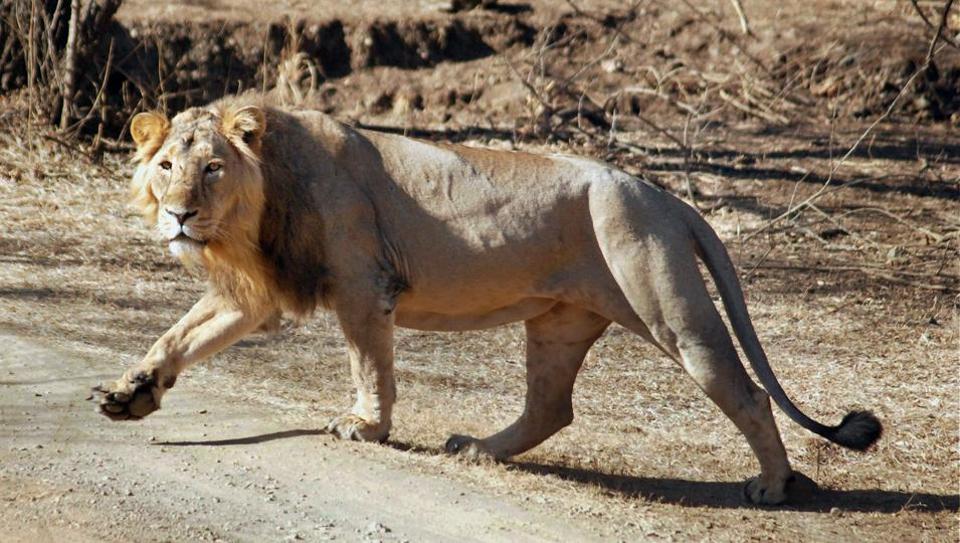
The Gujarat forest department has suggested that the Asiatic Lion population in Gir national park has increased by 29% in the past five years — from 523 in 2015 to 674 in 2020. The department has also said the distribution area of lions in the Saurashtra region of Gujarat, where Gir is situated, has increased by 36% from 22,000 sqkm in 2015 to 30,000 sqkm.
“Over the last several years, the Lion population in Gujarat has been steadily rising. This is powered by community participation, emphasis on technology, wildlife healthcare, proper habitat management and steps to minimise human-lion conflict. Hope this positive trend continues!,” Prime Minister Narendra Modi tweeted.
Shyamlal Tikadar, Gujarat’s chief wildlife warden and principal chief conservator of forests, said the Asiatic lion, which once faced the threat of extinction, has shown extraordinary recovery , thanks to the timely intervention by the erstwhile Nawab of Junagadh and protection programmes of the Gujarat government.
“Today, Asiatic lions are present in protected areas and agro-pastoral landscape of Saurashtra covering nine districts in a sprawling expanse of over 30,000 sq. km, which is termed as the Asiatic Lion landscape],” Tikadar said. He said the 15th Asiatic Lion Population Estimation based on scat analysis and camera trap modelling was scheduled to take place on June 5-6, but that did not happen due to the coronavirus disease situation.
“...the forest department conducted an exercise in which 1,400 forest guards of 13 divisions were asked to spot lions and report their presence. Based on their reports, we estimated the population. The exercise was called Poonam Avlokan (because it was conducted on full moon night),” he said.
In 2015, Gir recorded 523 lions, an increase of 27% since 2010. “That estimation was a scientific one and was based on established methodology for estimating cat population,” said Anish Andheria, the president of Mumbai based Wildlife Conservation Trust. He did not comment on the methodology adopted this time, saying he did not study it.
“Poonam Avlokan is a routine monitoring exercise done by forest department. During a pandemic, the effort to monitor lion numbers is commendable. This tells us their number has increased. We need to now understand on how other conservation challenges of Asiatic Lions will be addressed,” said Meena Venkataraman, a scientist specialising in Asiatic Lions.


